“剪的练习——剪指甲,剪头发,也剪纸” 陈粉丸个展
Cutting Exercises—Nails, Hair, Paper
Chen Fenwan Solo Exhibition
1 May 2026 - 7 Oct 2026
A4X Art Center, Chongqing, China | Solo Exhibition
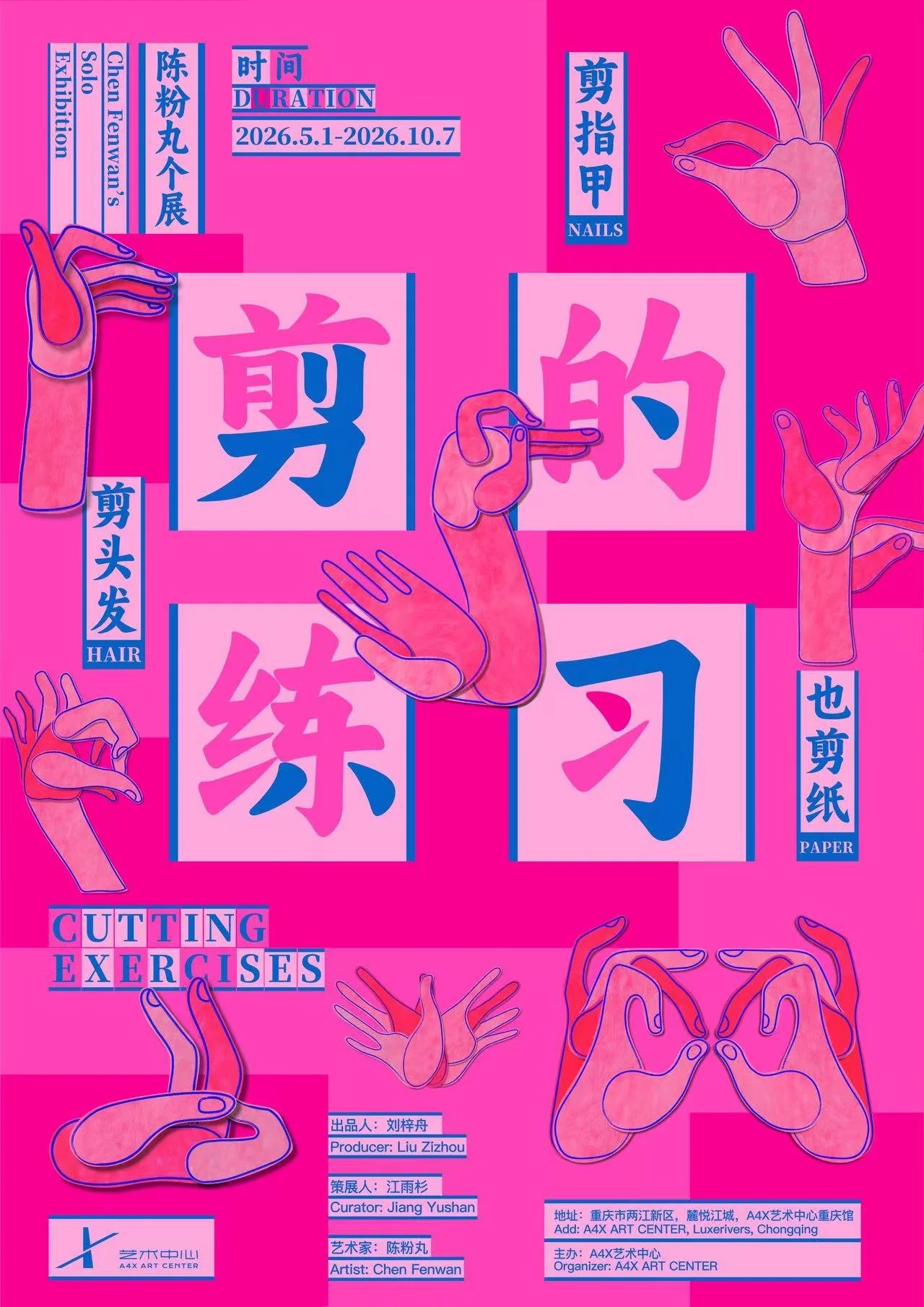
2026年5月1日,艺术家陈粉丸于重庆A4X艺术中心举办的开馆个展“剪的练习——剪指甲,剪头发,也剪纸”正式开幕。
很高兴和A4X艺术中心再度携手,共同呈现一次更轻松、柔软和私密的个展。
On May 1, 2026, artist Chen Fenwan’s opening solo exhibition, Cutting Exercises — Nails, Hair, Paper, officially opened at Chongqing A4X Art Center.
It is a pleasure to collaborate once again with A4X Art Center to present a solo exhibition with a softer, lighter, more intimate tone.
“这一次,我不用那么用力诉说,只想把更柔软、更悄悄话的东西,和观众分享。”
“This time, I no longer feel the need to speak so forcefully. I want to share things that are gentler, more like whispers, with the audience.”
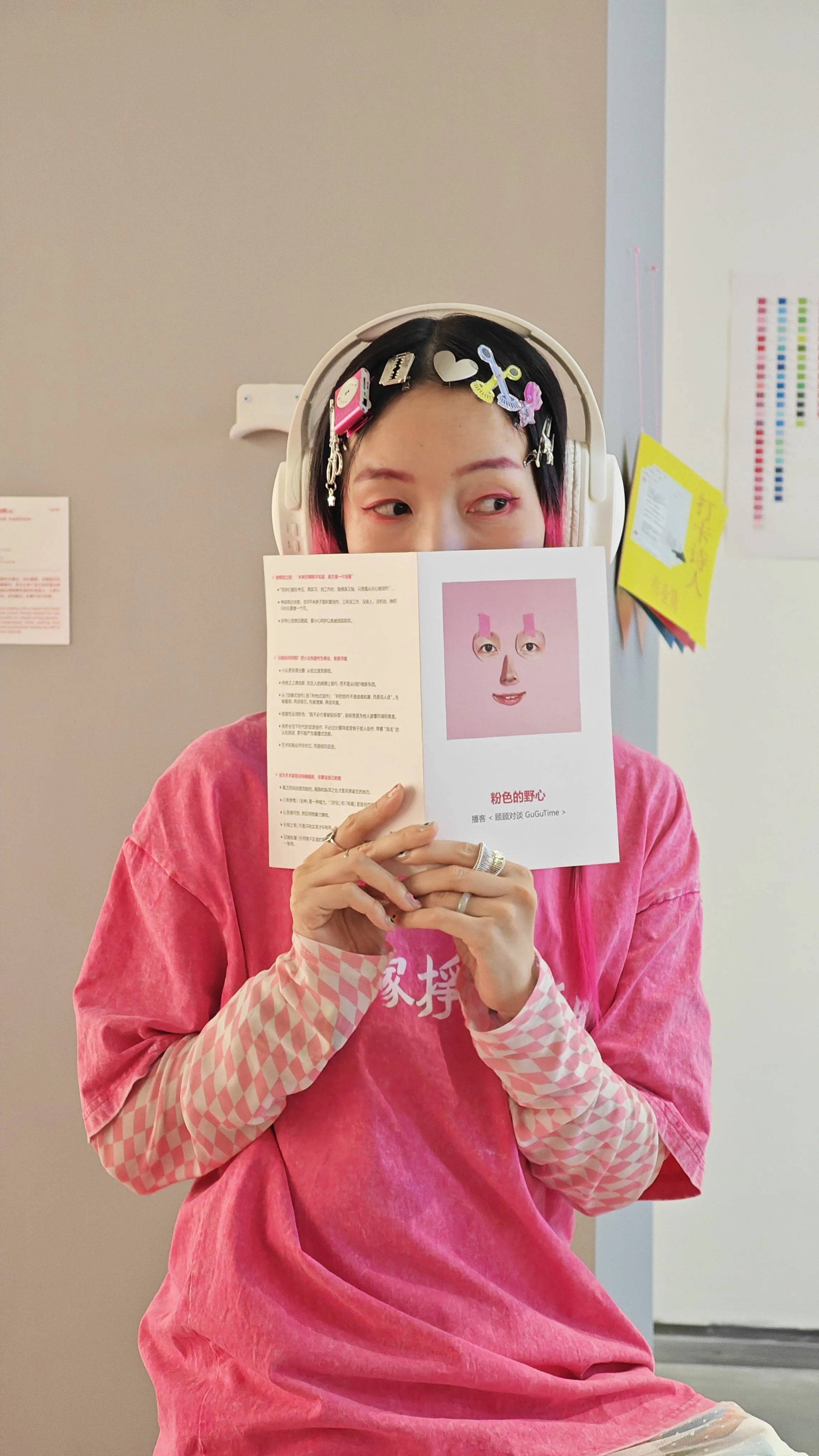
剪是一种破坏吗?
剪纸是陈粉丸的艺术实践,而剪指甲、剪头发则是她日常生活中反复发生的动作。这种看似随意、搞怪的并置并非玩笑,它揭示了“剪”如何从一种技法转化为贯穿陈粉丸创作与生活的共同经验。
无论是剪纸,还是修剪指甲和头发,所面对的都是一种持续的取舍:去除冗余,保留必要。剪纸剪下的是“创作废料”,通过舍弃来创造;而剪指甲和剪头发则是摒弃“身体废料”,重新塑造自己身体的边缘。
对于陈粉丸而言,“剪”这一动作固然与失去、消失与告别相连,但同样与拥有、更新和初见密不可分。我们通过失去,获得新的形态。
Is cutting a form of destruction?
For Chen Fenwan, papercutting is an artistic practice, while cutting her nails and hair are repetitive gestures in daily life. This seemingly casual—even playful—juxtaposition is not a joke; it reveals how “cutting” shifts from a technique into a shared experience that runs through both her artistic practice and everyday life.
Whether in papercutting or in trimming nails and hair, what is at stake is an ongoing process of selection: removing the superfluous and retaining what is necessary. In papercutting, what is cut away becomes “creative residue”—creation emerges through acts of subtraction. In contrast, cutting nails and hair discards “bodily residue,” reshaping the edges of one’s own body.
For Chen Fenwan, the act of cutting is indeed tied to loss, disappearance, and farewell—but it is equally inseparable from possession, renewal, and first encounters. Through losing, we arrive at new forms.
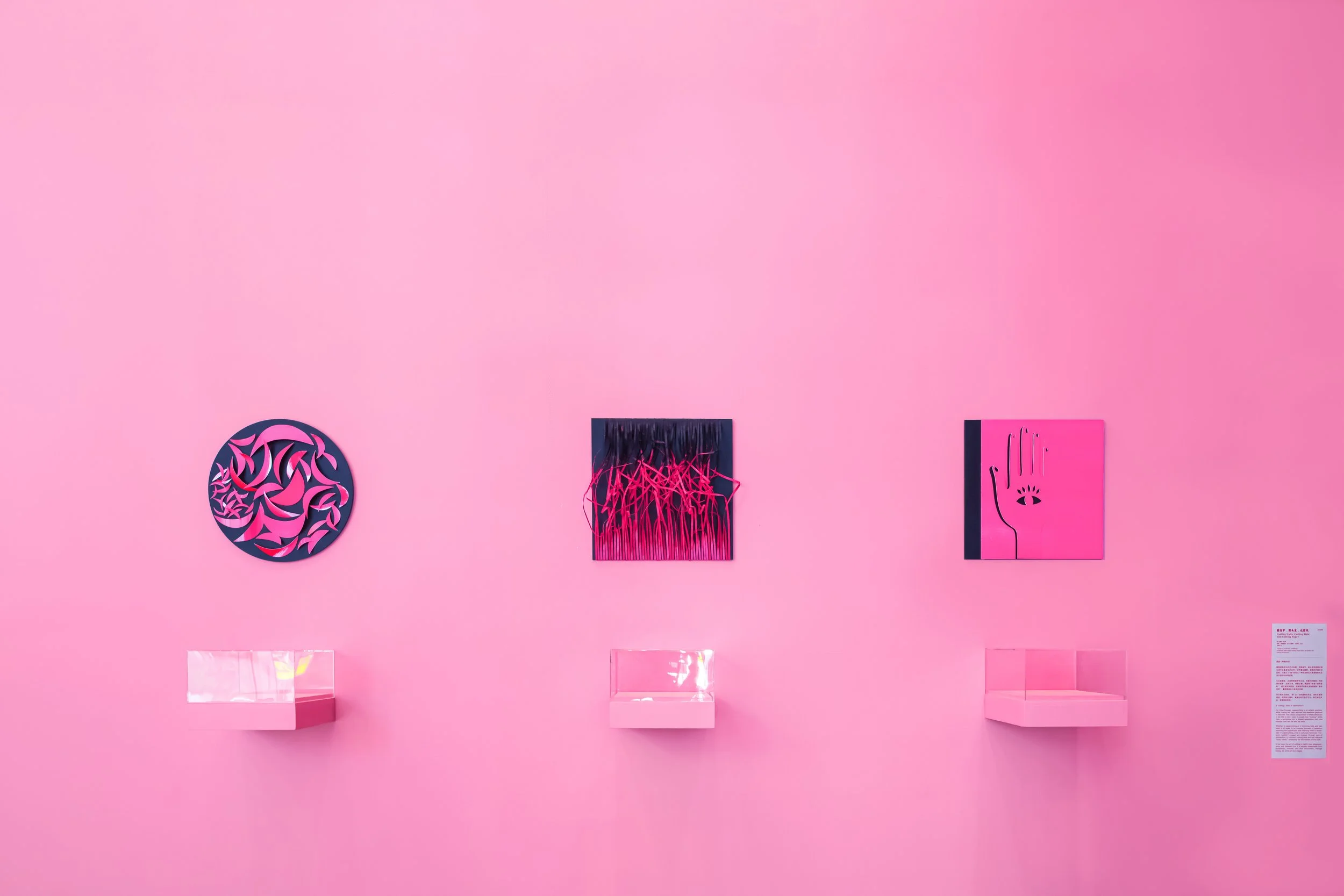
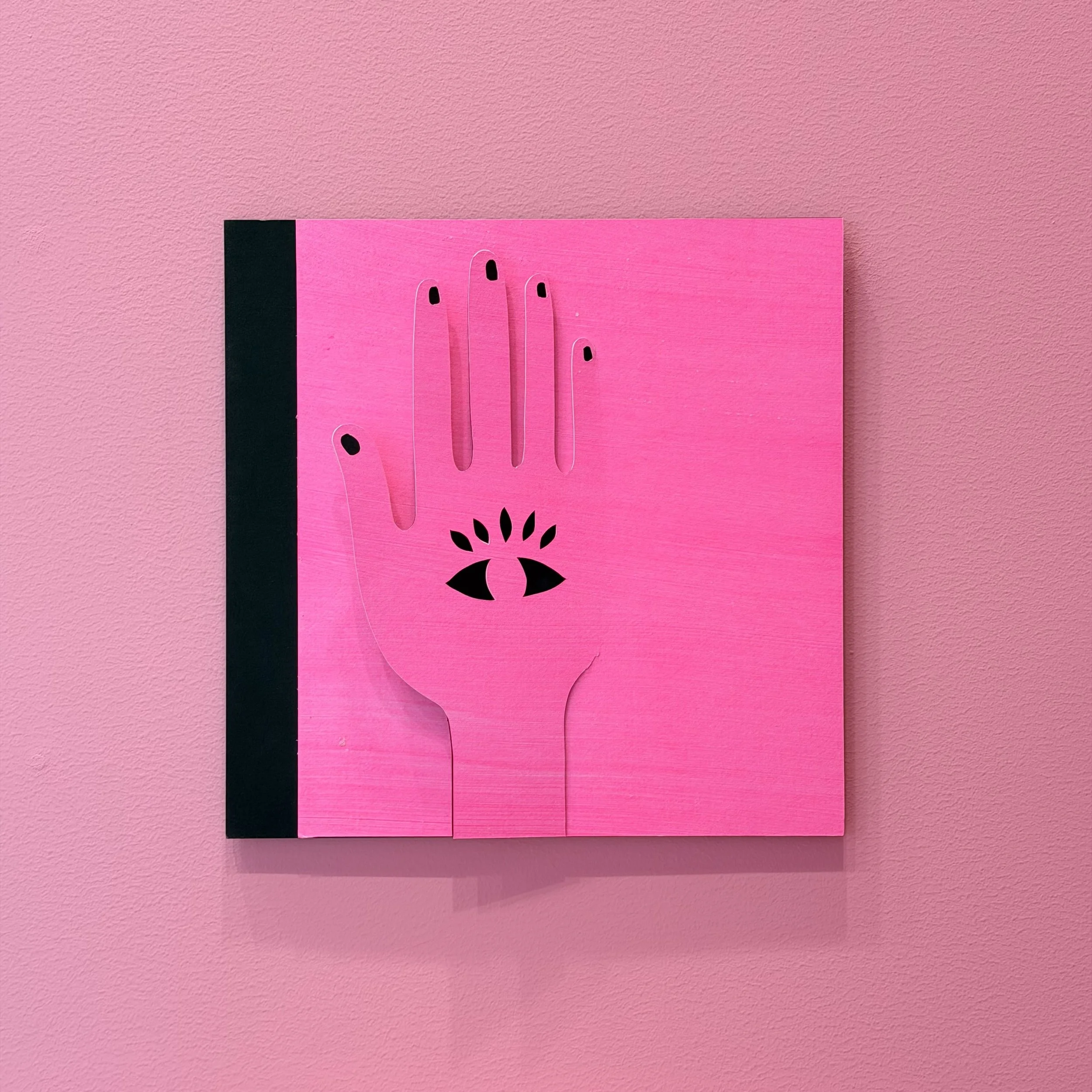
《剪指甲,剪头发,也剪纸》
架上剪贴、装置
纸板、纸张雕刻、亚克力颜料、甲油胶、头发
2026
Cutting Nails, Cutting Hair, and Cutting Paper
Collage on cardboard, installation
Cardboard, laser paper cutting, acrylic paint, gel polish, hair
2026
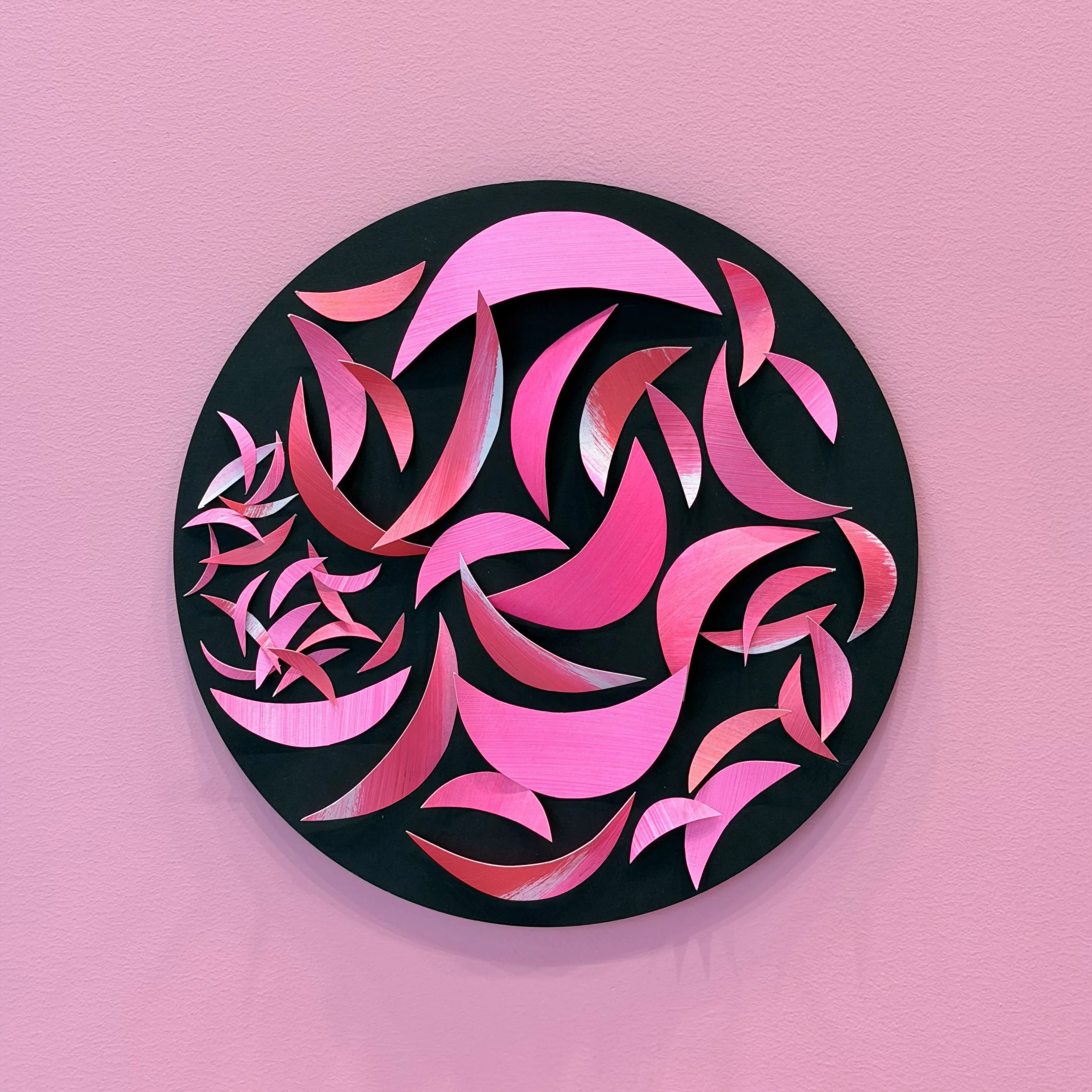
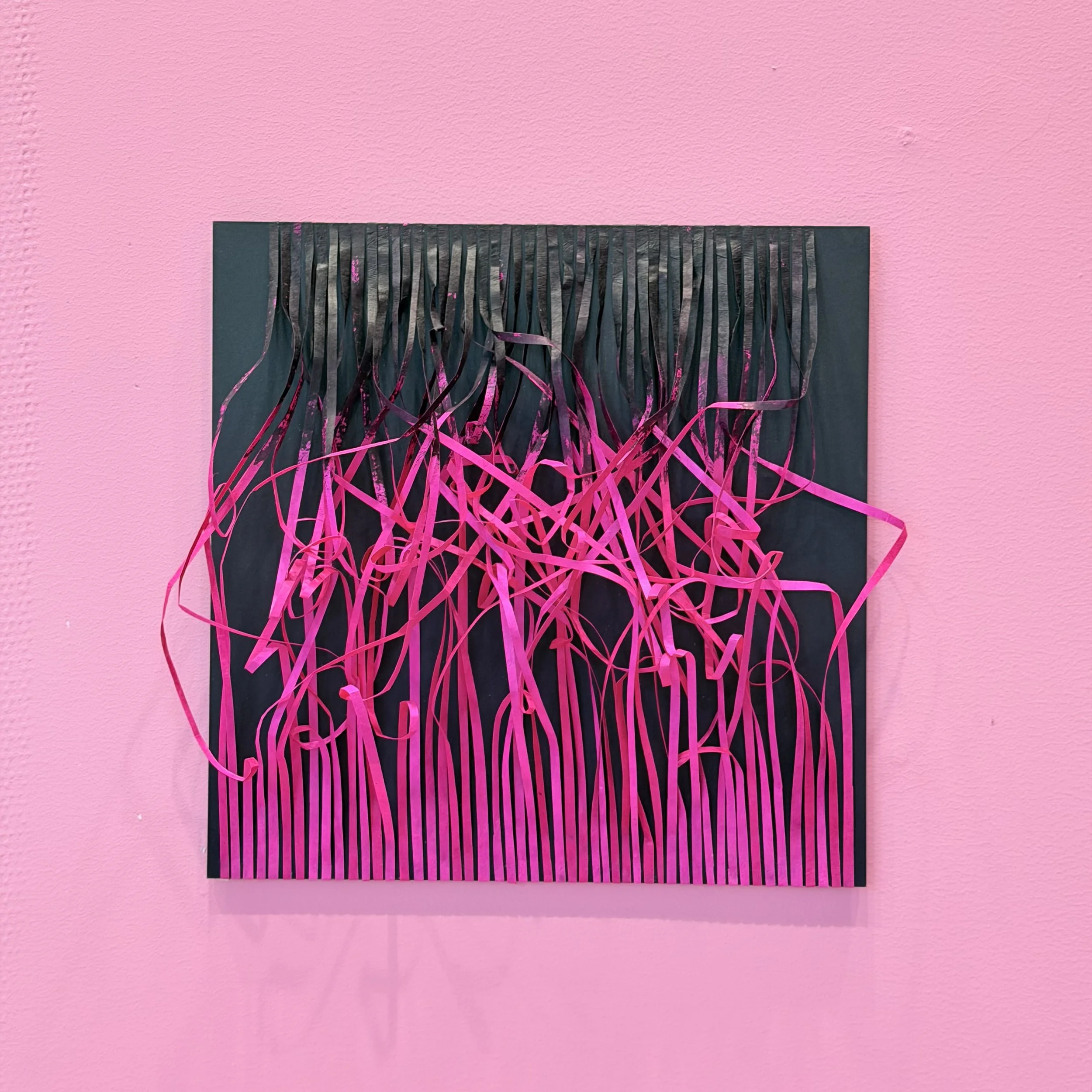
如果说2024年在成都A4X艺术中心举办的个展“剪纸宇宙”是极繁的、情绪外露且饱满的,那么此次“剪的练习”个展则更趋于内敛和沉静,这种展览风格的转变体现了陈粉丸近一两年创作心境的变化。陈粉丸对创作和生活的分享欲没有褪去,她在日复一日的剪的练习和奔跑中找到内心的平静和自洽,习得以更松弛和舒展的姿态与自己和世界相处,打开自己,接纳变数。
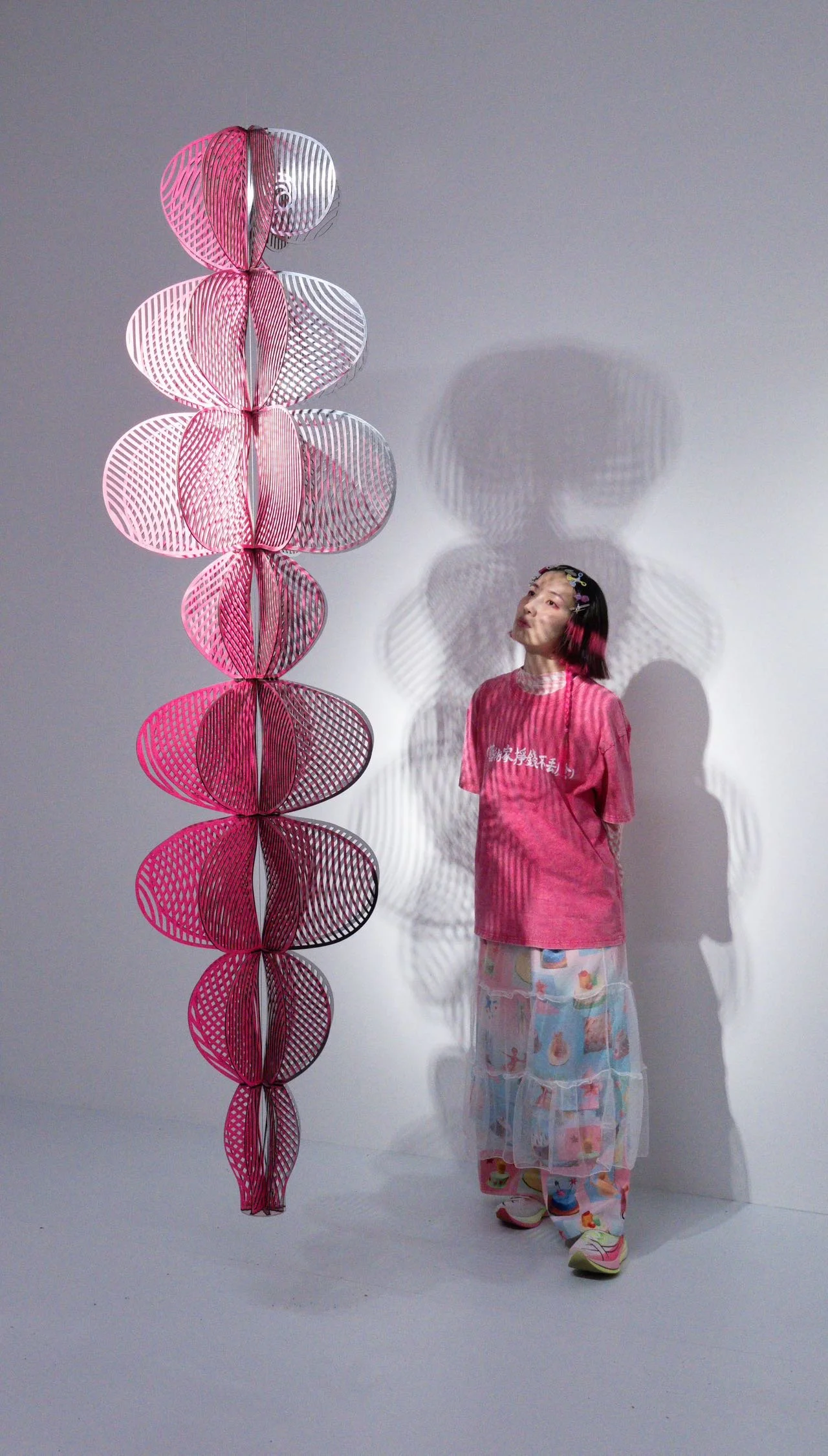
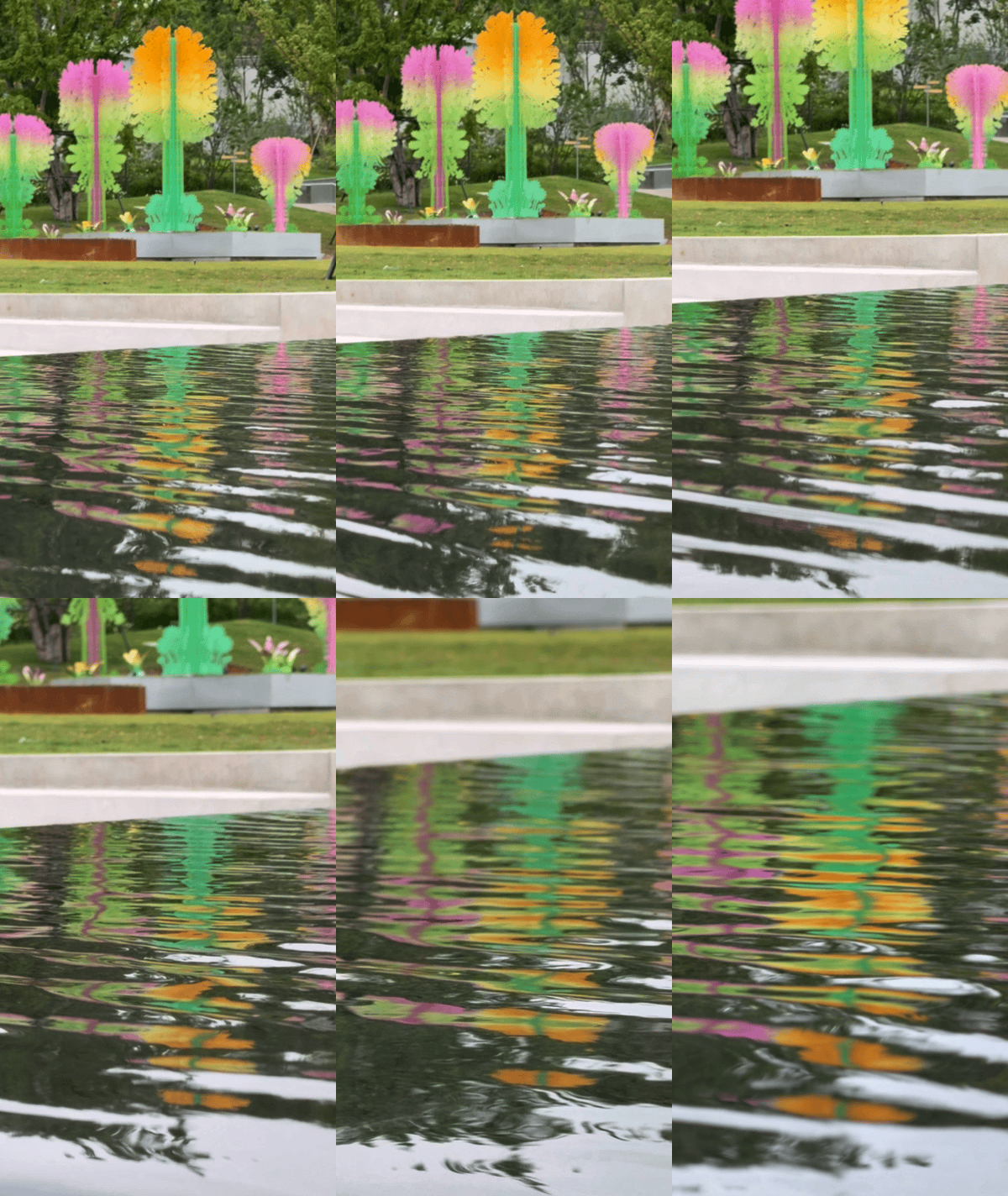
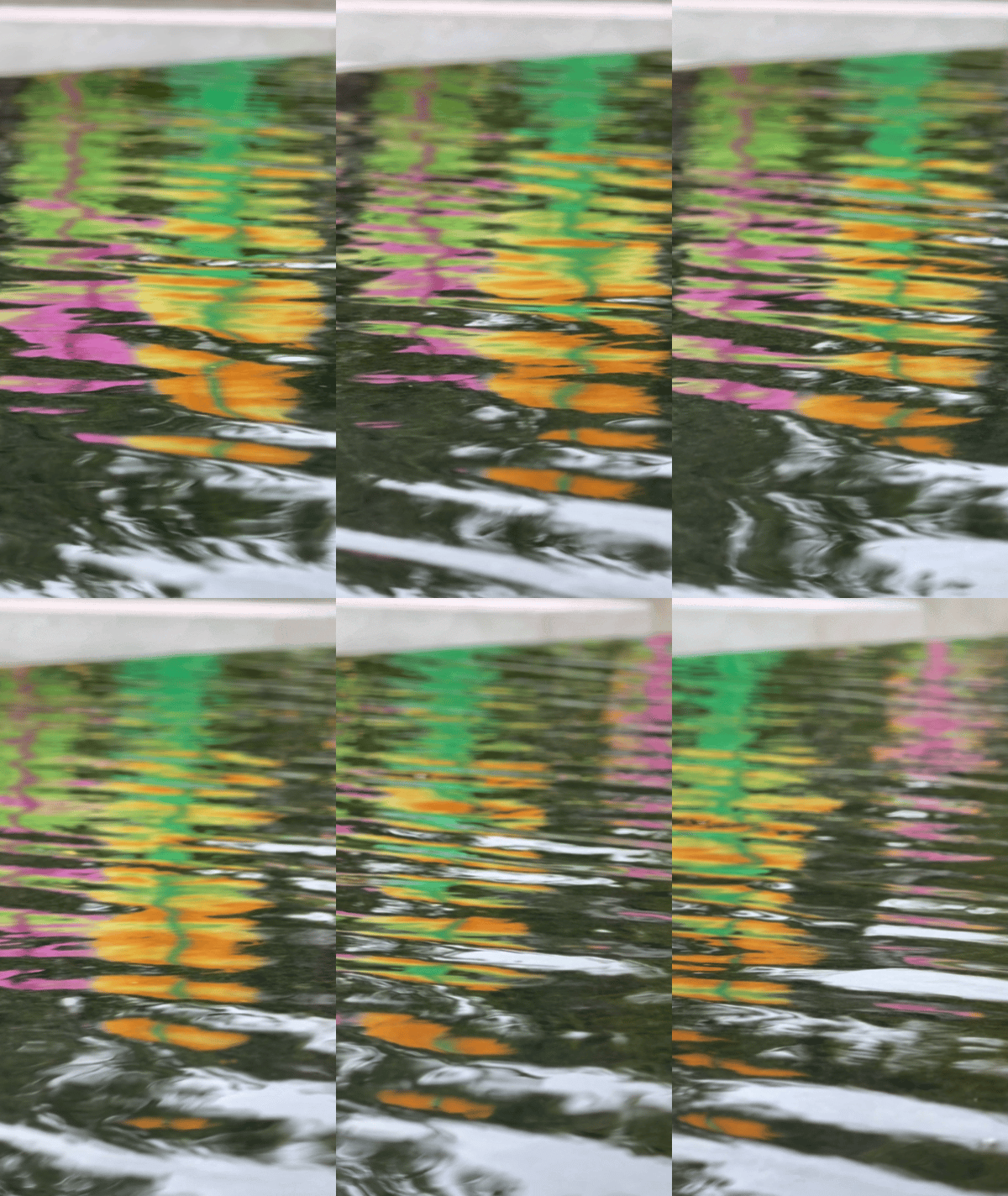
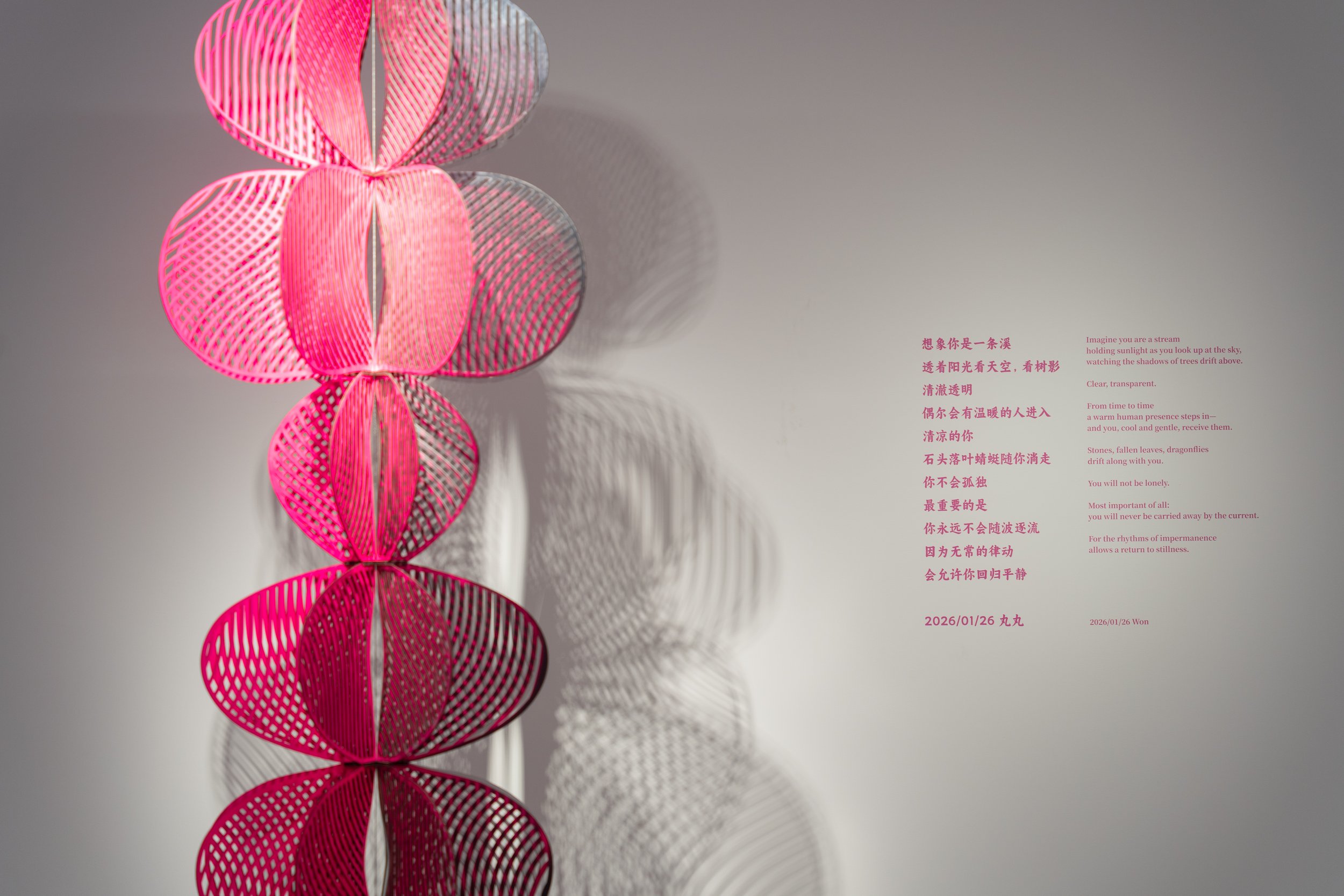
这种体悟与变化也在其新作《无常律动》中得以窥见。这件作品的创作灵感源于跑步时的动态观察。陈粉丸现在几乎每天都跑步,她在佛山有一条常跑的沿湖路线,休息的间隙,她喜欢凝视水面的层层扩散的涟漪、周边环境映射的扭曲的倒影,她形容这是一种“无规律动态美,看着它犹如白噪音,让人进入极其安定的正念状态”。
If Paper Universe, Chen Fenwan’s 2024 solo exhibition at Chengdu A4X Art Center, was maximalist, emotionally expansive, and overflowing in energy, then Cutting Exercises marks a turn toward restraint and quietness. This shift in exhibition language reflects the transformation of the artist’s inner state over the past one or two years.
Chen Fenwan’s desire to share her creative process and everyday life has not diminished. Instead, through the repetitive practice of cutting and the rhythm of daily running, she has gradually found a sense of inner calm and reconciliation. She has learned to live with herself and the world in a more relaxed and open way—to open herself up and embrace uncertainty.
This change in perception can also be glimpsed in her new work Rhythms of Impermanence. The piece was inspired by her observations while running. Chen Fenwan now runs almost every day, often along a lakeside route in Foshan. During breaks, she likes to gaze at the ripples spreading across the water and the distorted reflections of the surrounding environment. She describes it as “an irregular kind of dynamic beauty, like white noise for the eyes, capable of bringing people into an extremely calm state of mindfulness.”
日常的跑步训练反哺了她的创作,由流动的波纹联想到摩尔纹这种由两个或多个周期性结构叠加时产生的干涉视觉现象,并首次尝试使用剪纸呈现抽象的视觉图形。她将摩尔纹看作人与万物的关系的隐喻,“无常”就如同这种“不存在的图像一般”,在我们看不见的维度中舞蹈。
Her daily running exercise has, in turn, nourished her artistic process. From the flowing ripples on water, she began to think of moiré patterns—an interference phenomenon produced when two or more periodic structures overlap—and, for the first time, attempted to use papercutting to create abstract visual forms. She sees moiré as a metaphor for the relationship between humans and all things: impermanence, like these “nonexistent images,” dances within dimensions we cannot see.
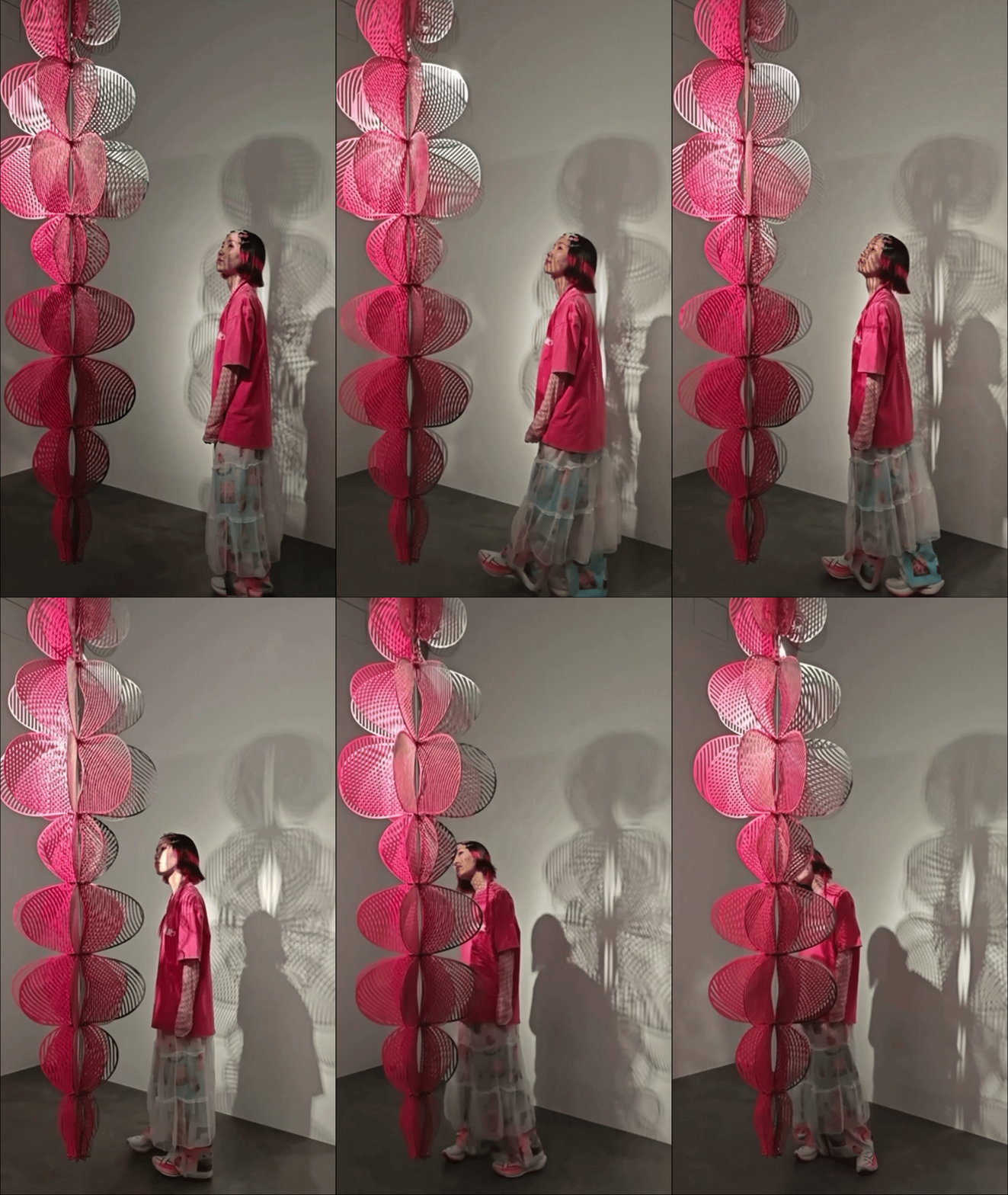
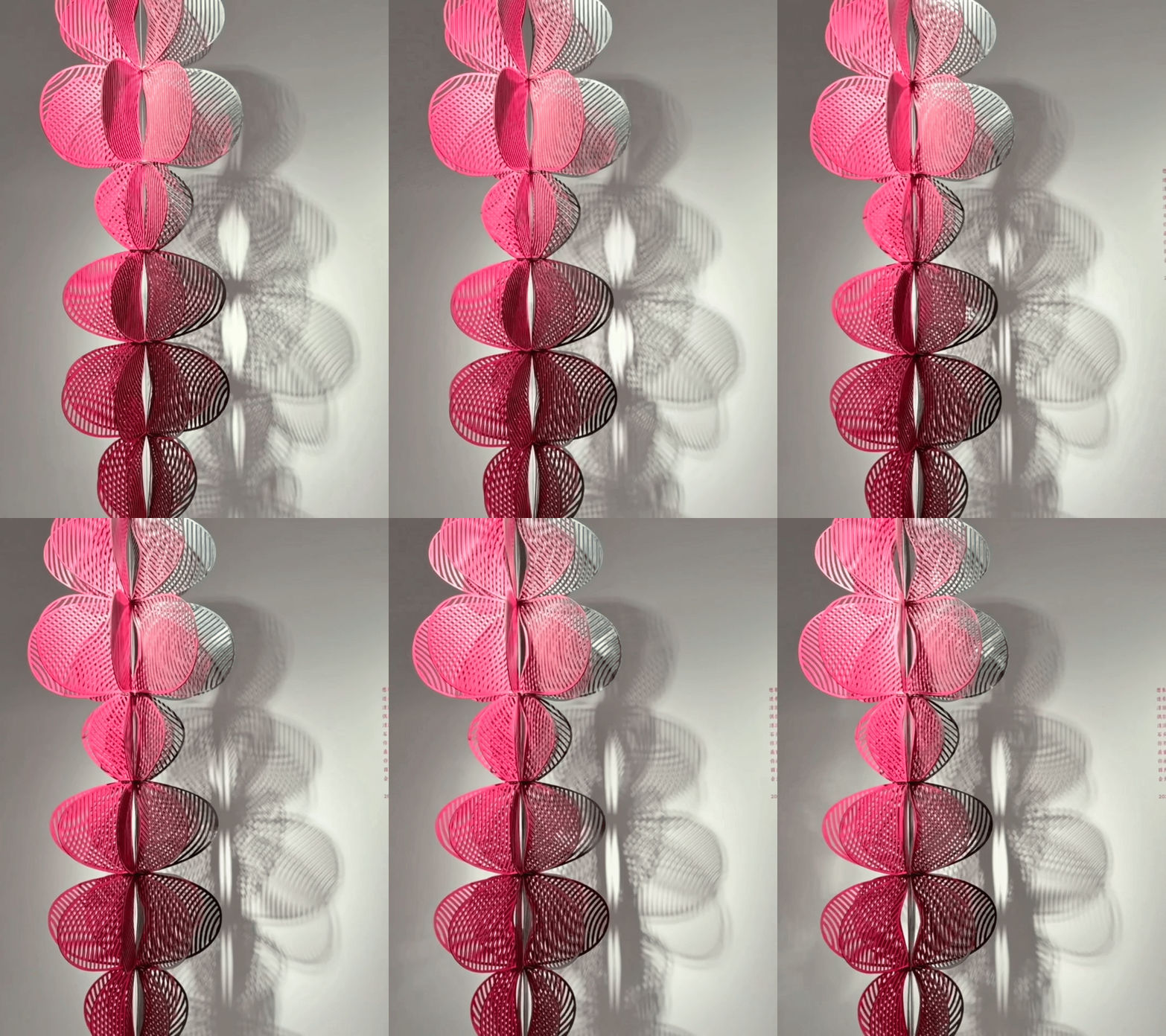
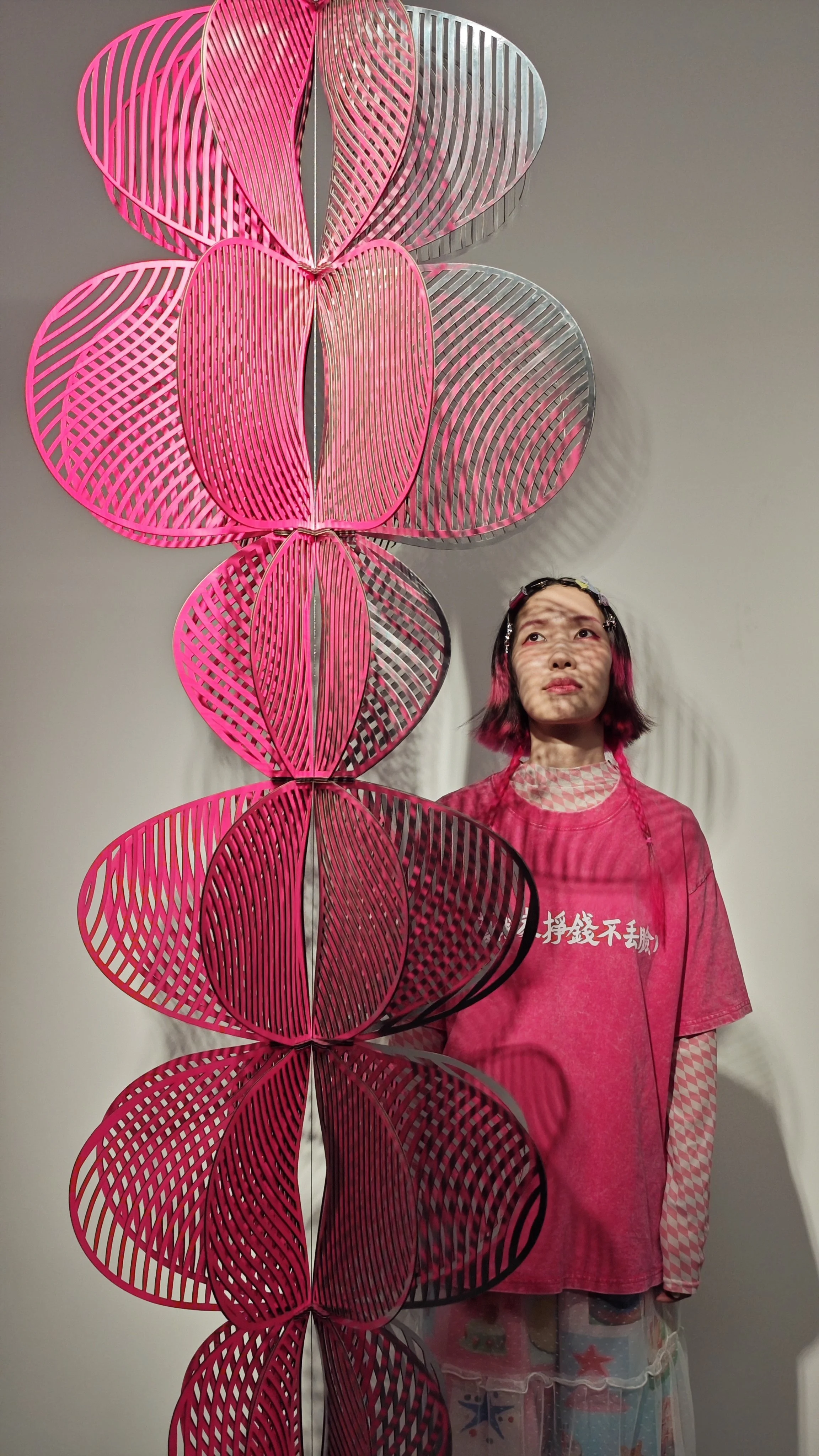
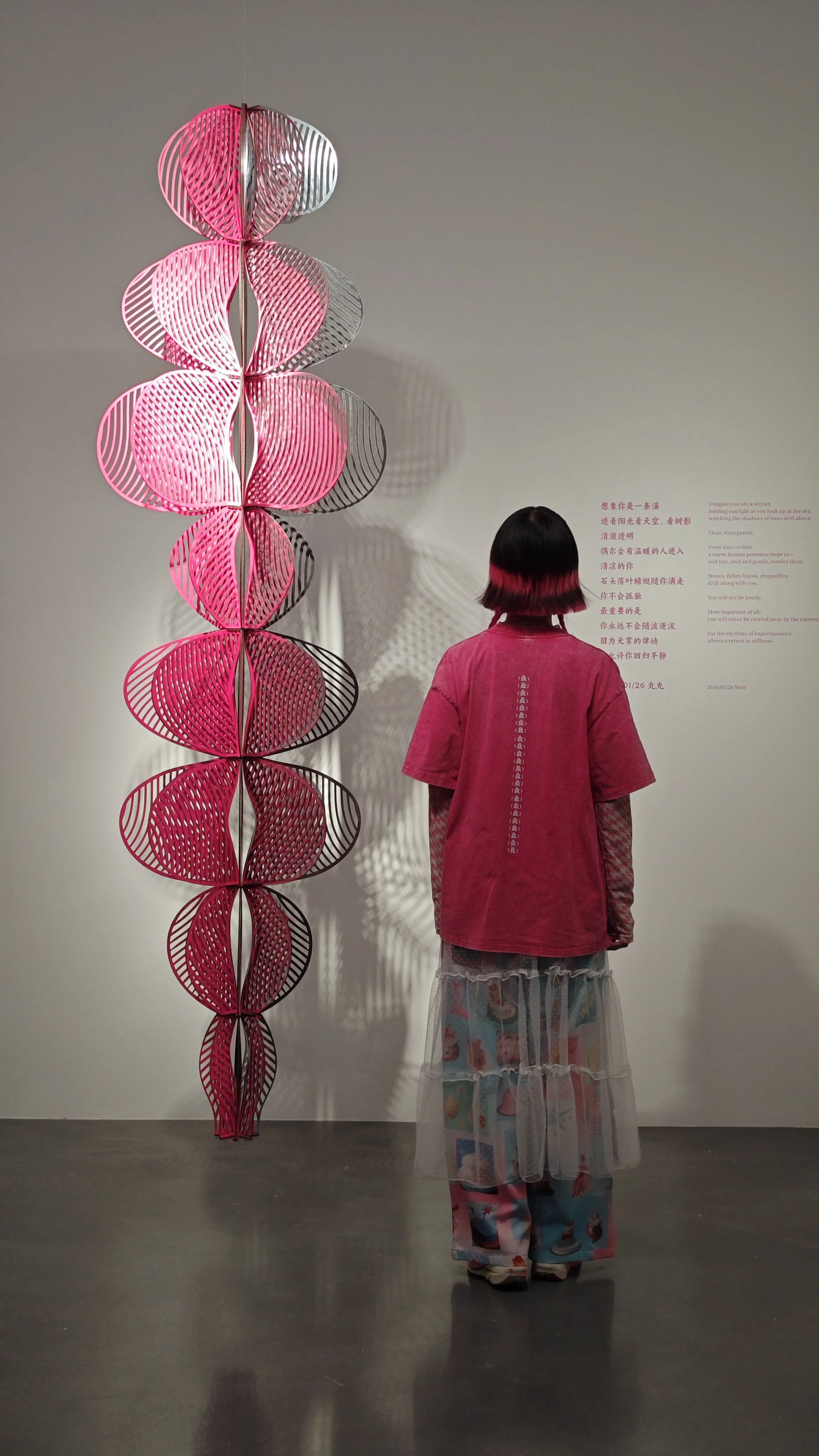
《无常律动》
装置
纸张雕刻、镜面纸、亚克力颜料、金属、电机
直径76 x 高234cm
2026
Rhythms of Impermanence
Installation
Laser paper cutting, mirror paper, acrylic paint, metal, micro motors
Dia. 76 × H. 234 cm
2026
点击收看粉丸的布展 Vlog
Click to watch Fenwan’s exhibition install vlog
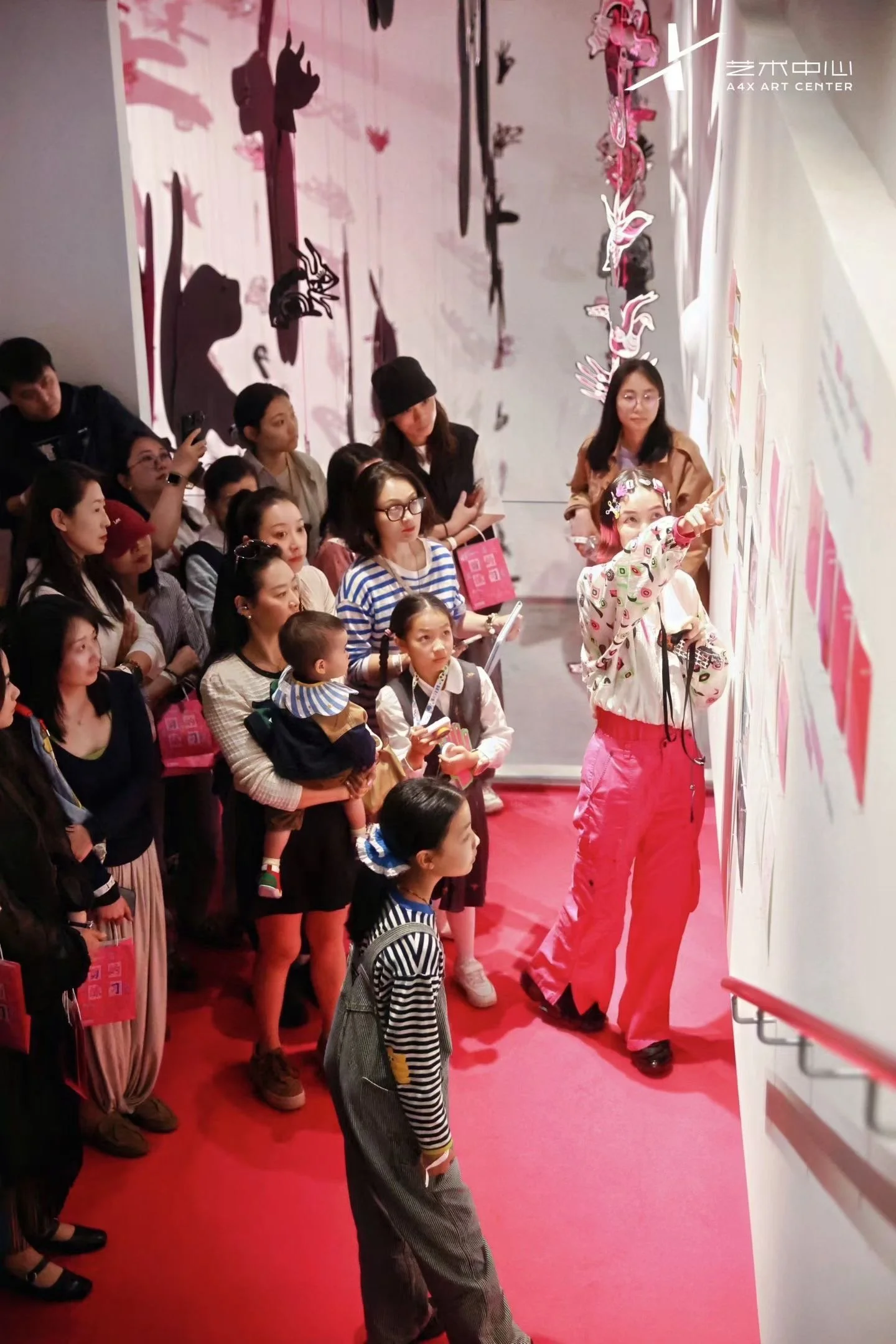
展览以“剪的练习”为叙事核心,以手的练习、身体的练习、无限的练习三大篇章,构建起完整的策展脉络,跳出单纯作品陈列的常规叙事模式。在策展逻辑里,艺术家所践行的“剪”,不止局限于剪纸创作本身:剪指甲、剪头发这类日常行为与剪纸艺术,共享着相似的肢体动作、选择取舍,以及面对生长与流逝的态度。艺术家的创作实践与日常自修无法被分离开来看待,二者是彼此嵌套、相互滋养的共生关系。陈粉丸于日常打理发肤、与自我相处的细腻感知中觉察,又将这份体悟,注入创作的刀锋、笔尖与纸张肌理之中。而长期的艺术劳作,亦反过来淬炼了她观察生活、关照自我的内心节奏。
With cutting exercises as its central narrative thread, the exhibition unfolds through three chapters: the hand, exercises of the body, and the limitless exercises—constructing a curatorial framework that moves beyond the conventional model of simply displaying artworks. Within this curatorial logic, the act of “cutting” as practiced by the artist extends far beyond papercutting itself: everyday gestures such as trimming nails and cutting hair share with papercutting similar bodily movements, acts of selection and subtraction, and attitudes toward growth and disappearance.
For Chen Fenwan, artistic practice and daily self-cultivation cannot be separated; the two exist in a mutually embedded and nourishing relationship. Through the intimate awareness cultivated in caring for her hair, body, and inner self, she develops insights that are then infused into the blade, the brush, and the textures of paper within her work. At the same time, the sustained labor of artistic creation has, in return, refined her inner rhythm for observing life and attending to herself.
01 手的练习
剪的练习,从手开启。
手是人类最原始的媒介,承载着本能、情绪与无声的表达。从童年的手影游戏,到成长中的肢体触碰;从挥手、拥抱间的相聚别离,到使用工具时的裁剪取舍,我们的双手始终在与世界产生联结。
手是陈粉丸常用的创作符号,手影、挥手、手印、手语、掌纹,她以丰富的手部动作和意象为创作锚点,将私人的成长记忆、不言自明的情感启蒙,凝练为可视化的艺术语言,引起观众的共鸣。
01 The Hand
The cutting exercise begins with the hand.
The hand is humanity’s most primal medium, carrying instinct, emotion, and silent expression. From childhood hand shadow puppetry to the bodily touch of growing up; from meetings and farewells conveyed through waving and embracing, to the acts of cutting and choosing involved in using tools, our hands have always served as a means of connecting with the world.
It is also one of Chen Fenwan’s creation signs. Hand shadows, waving gestures, handprints, sign language, palm lines—through a rich vocabulary of gestures and hand imagery, she uses the body as an anchor for creation, distilling personal memories of growth and unspoken emotional awakenings into a visual language that arouses emotional resonance with viewers.
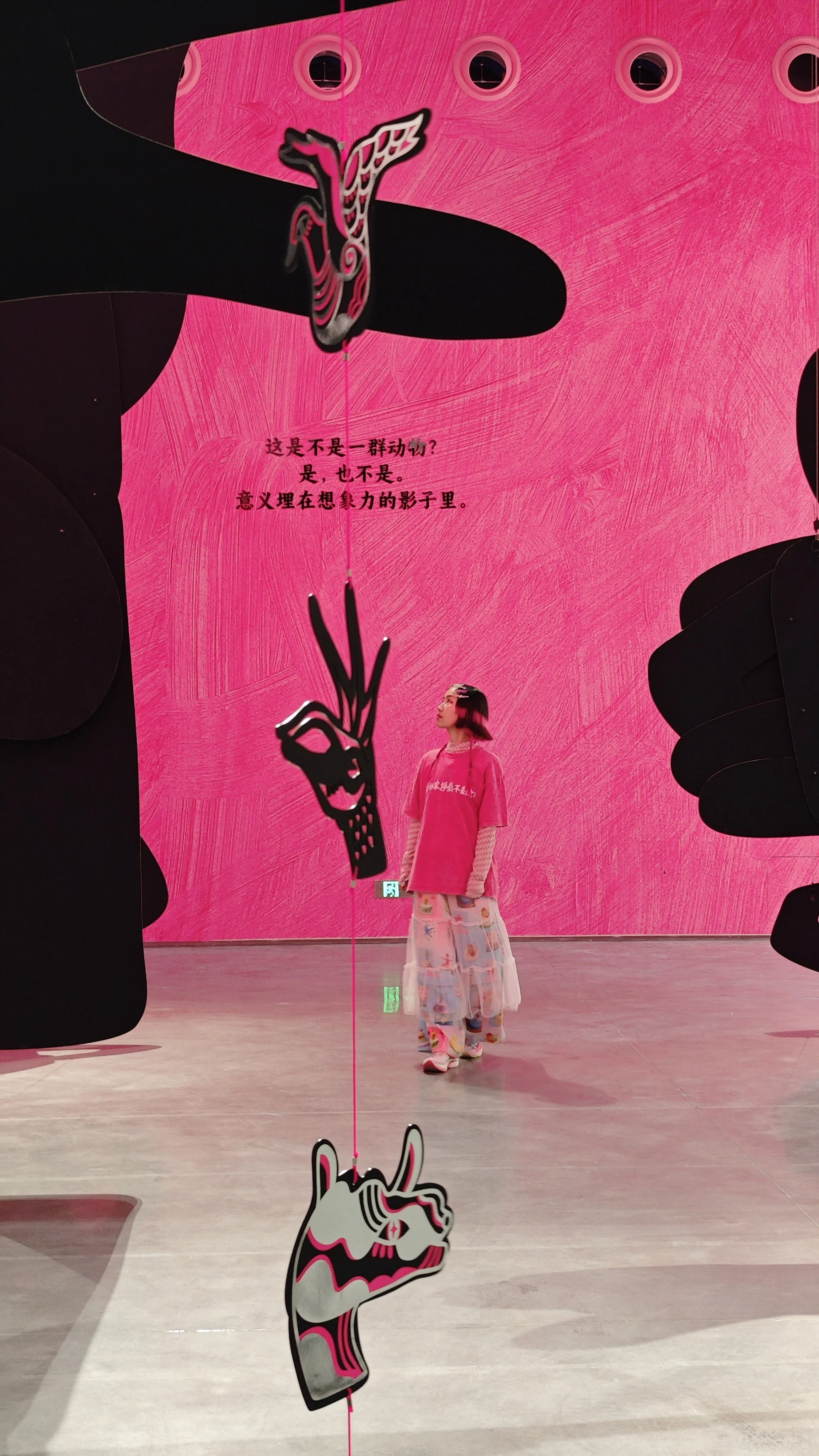
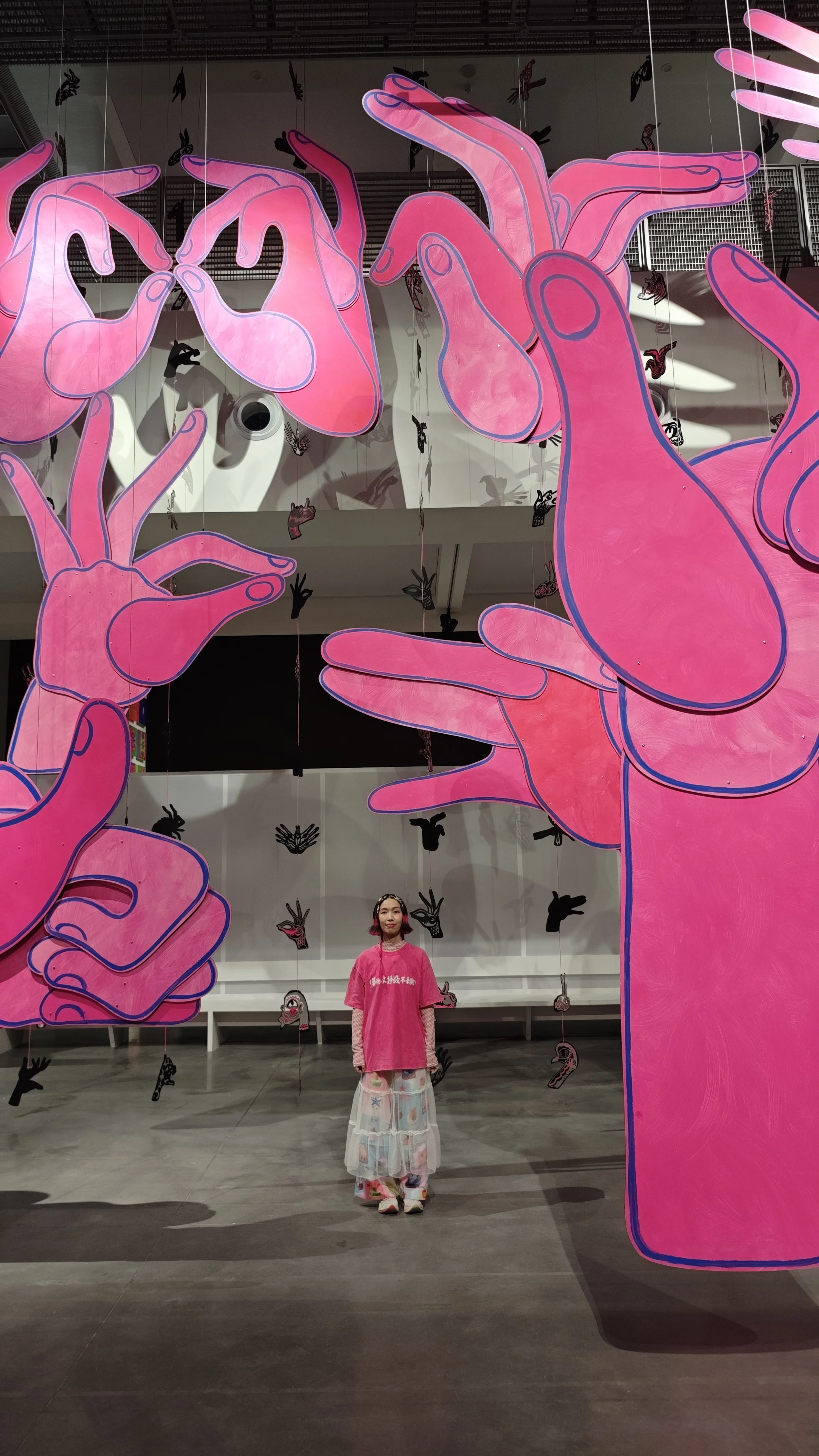
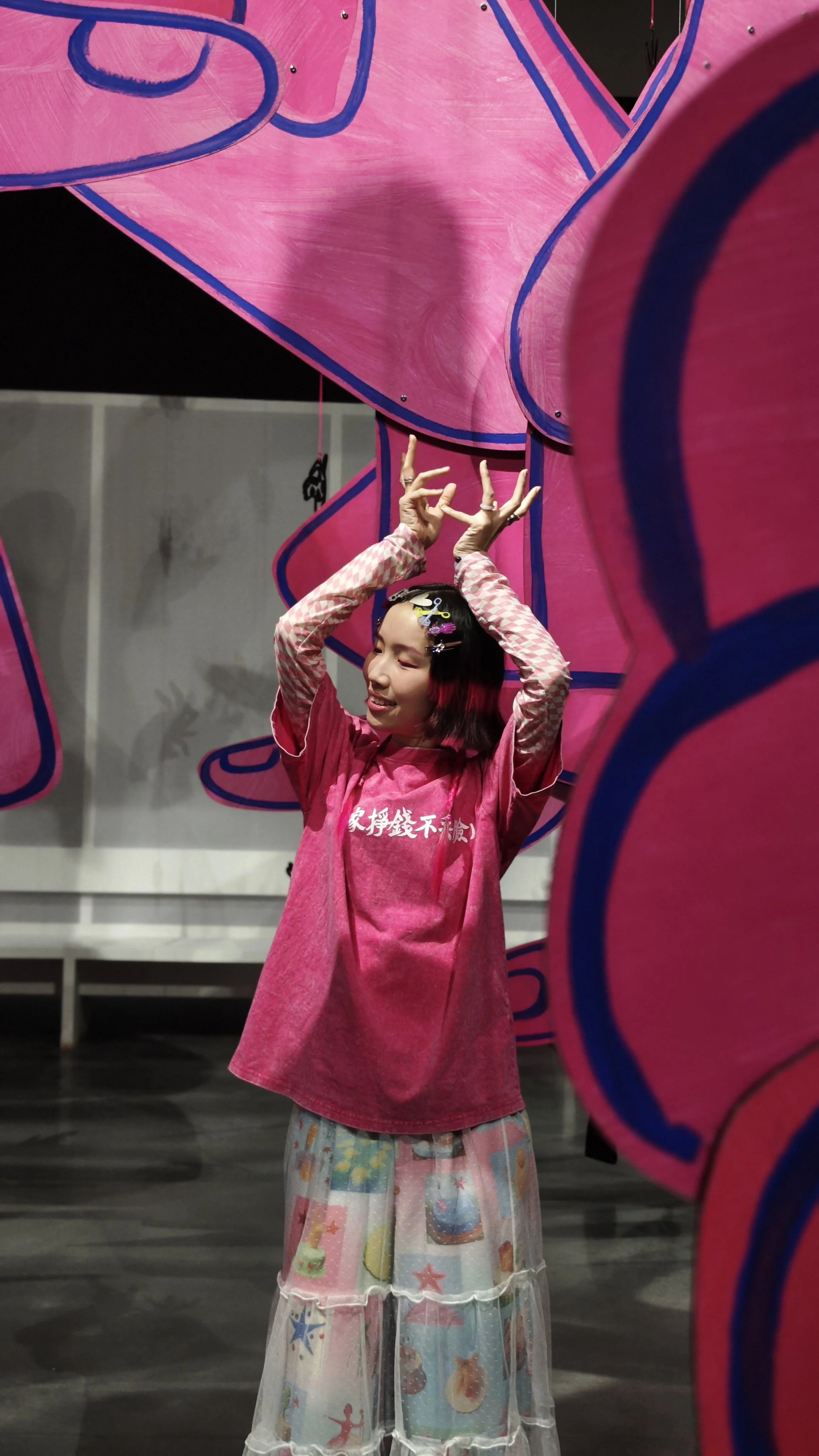
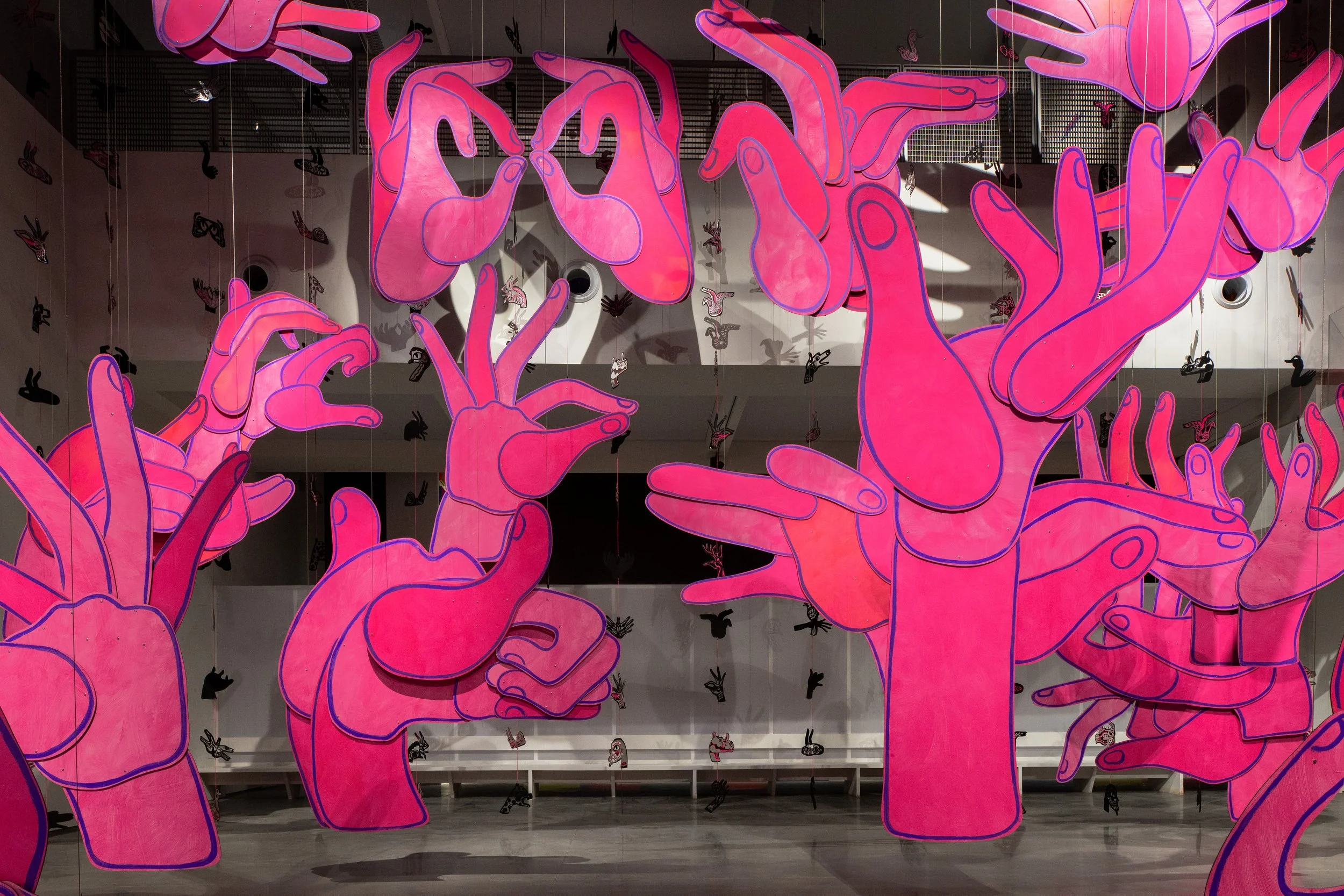
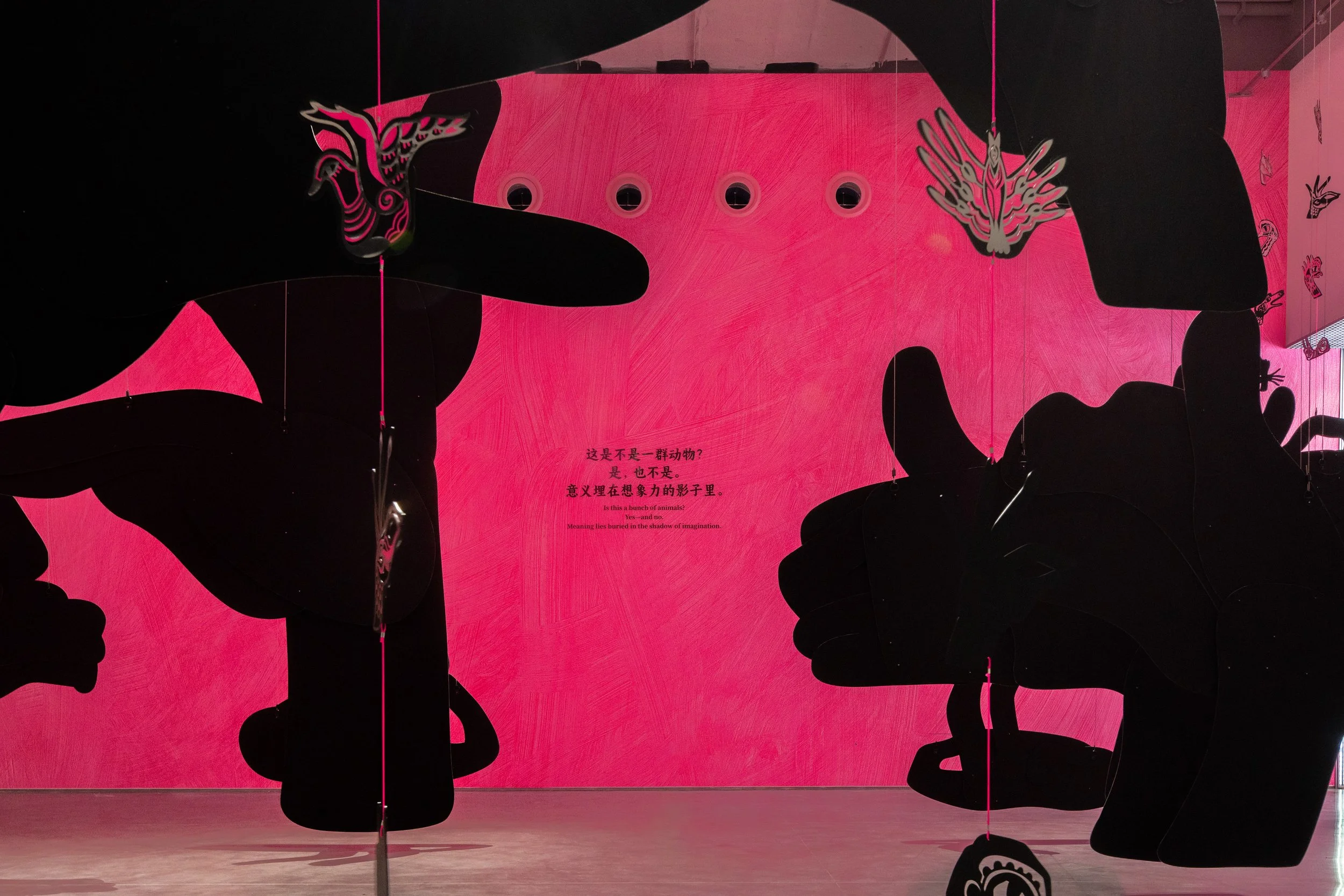
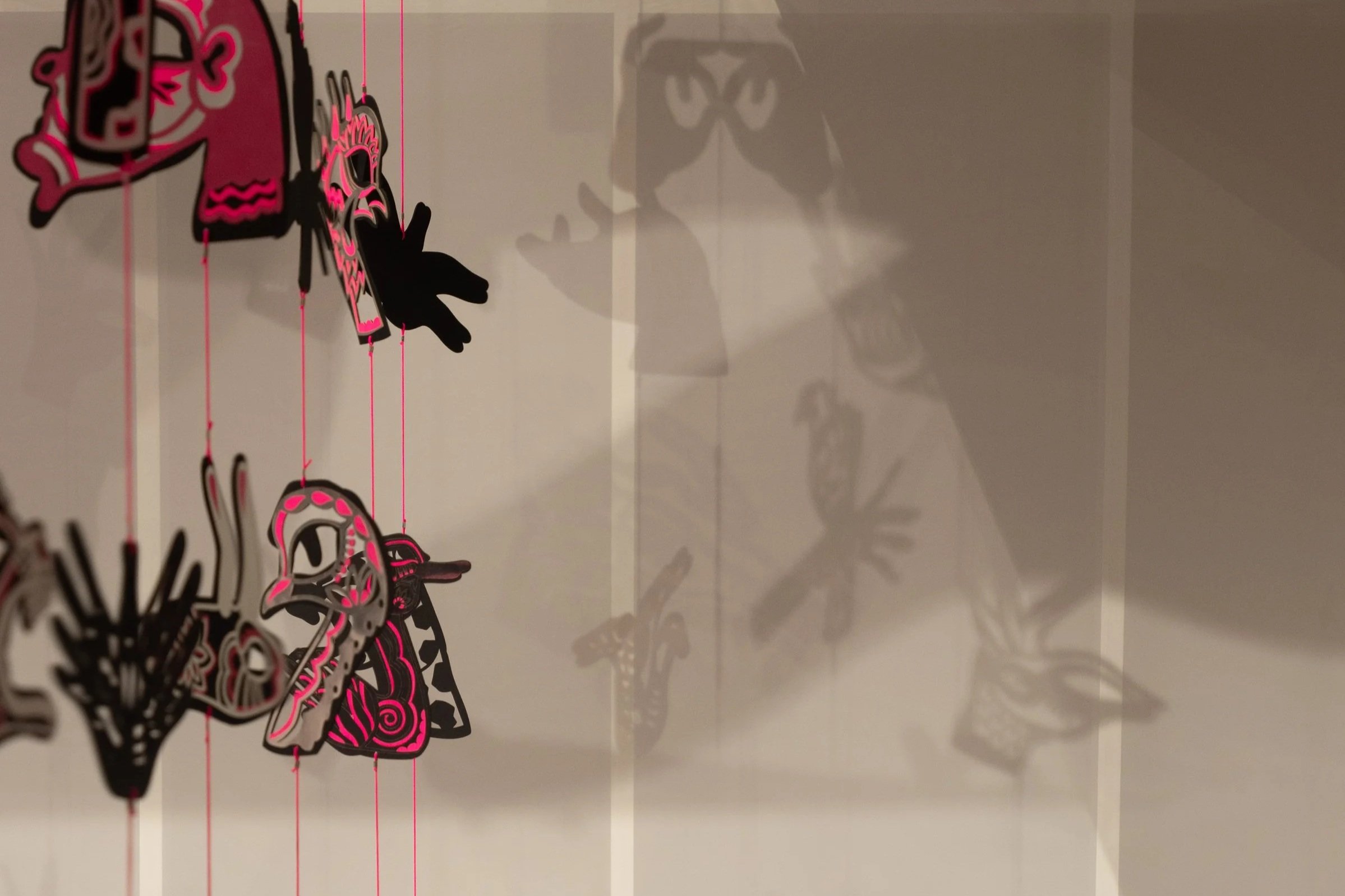
《这是不是一群动物》
装置
纸张雕刻、镜面纸、亚克力颜料
尺寸可变
2024
Is this a Bunch of Animals
Installation
Laser cutting paper, mirror paper, acrylic paint
Dimensions variable
2024
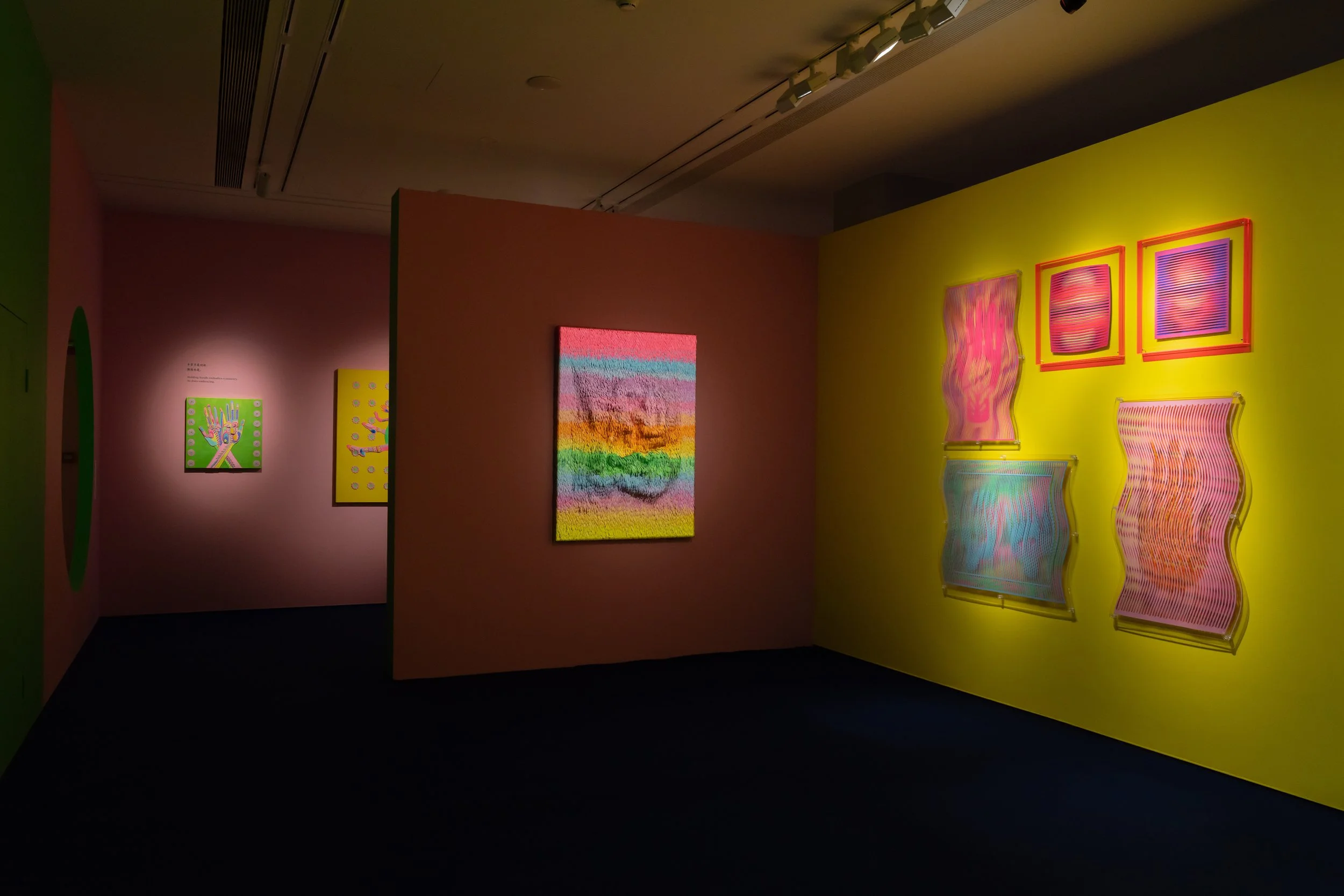
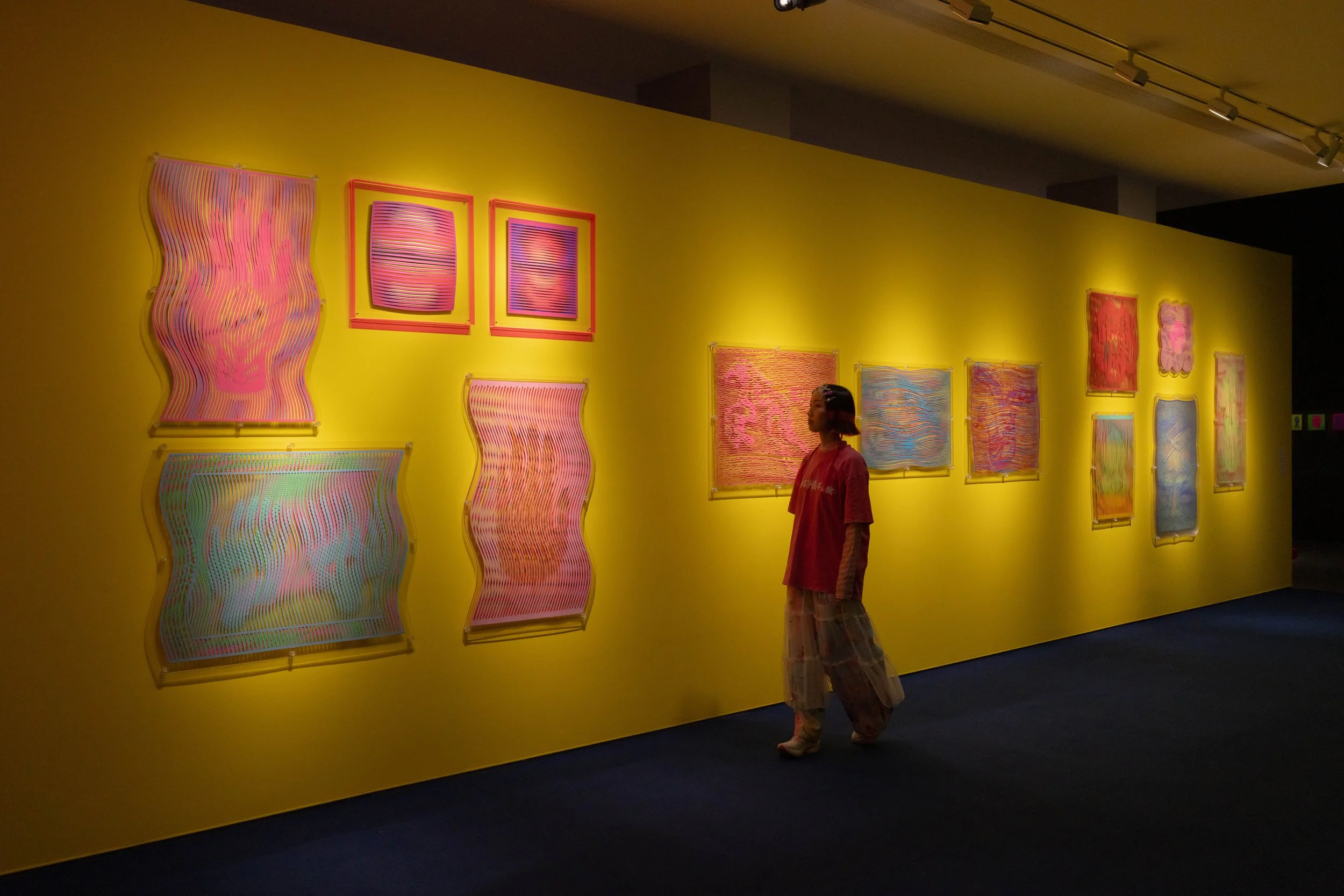
《iPad剪纸系列》
多层剪纸拼贴
纸张雕刻、亚克力颜料、透明亚克力
2025
The iPad Papercutting Series
Collage on acrylic glass
Laser cutting paper, acrylic paint
2025
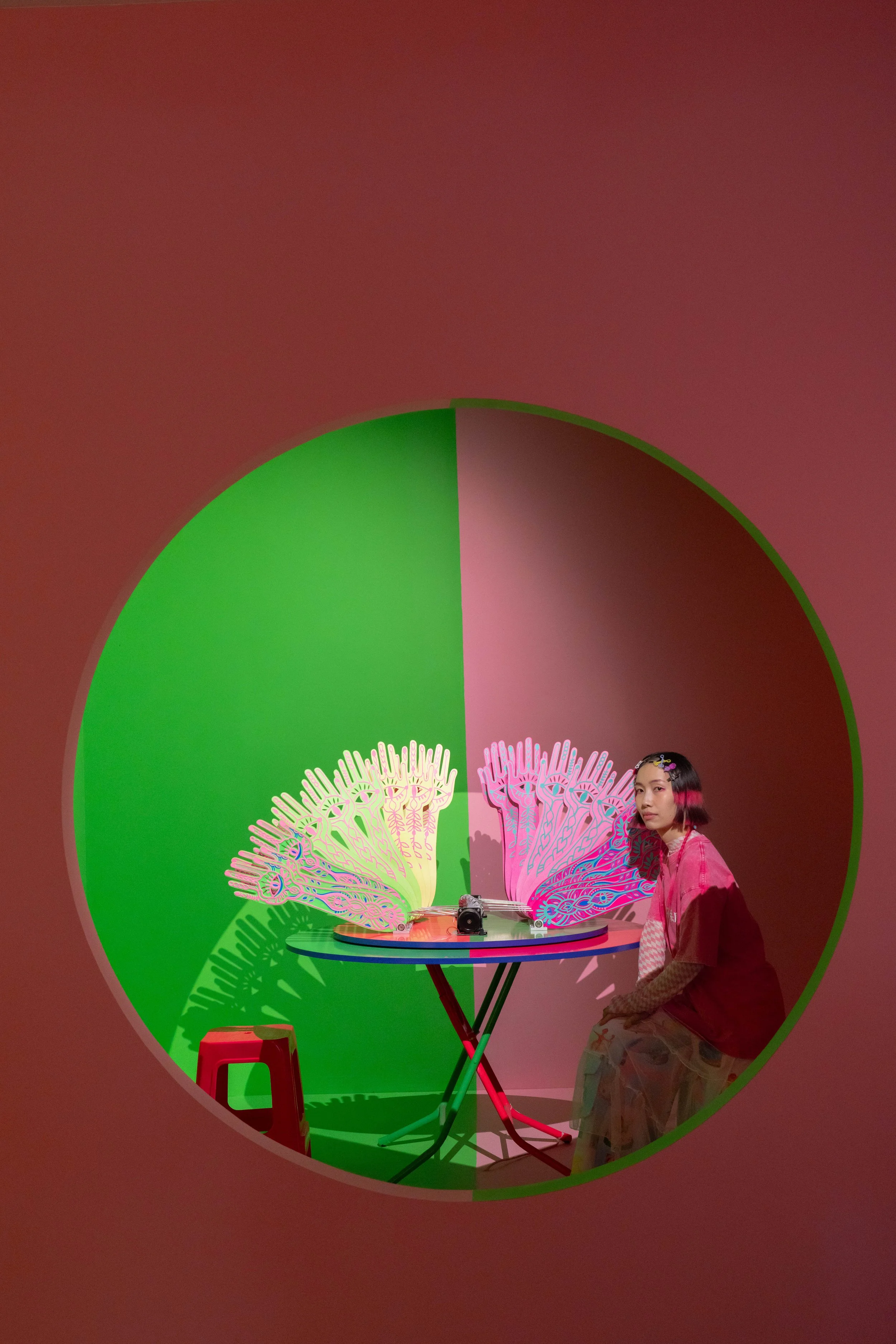
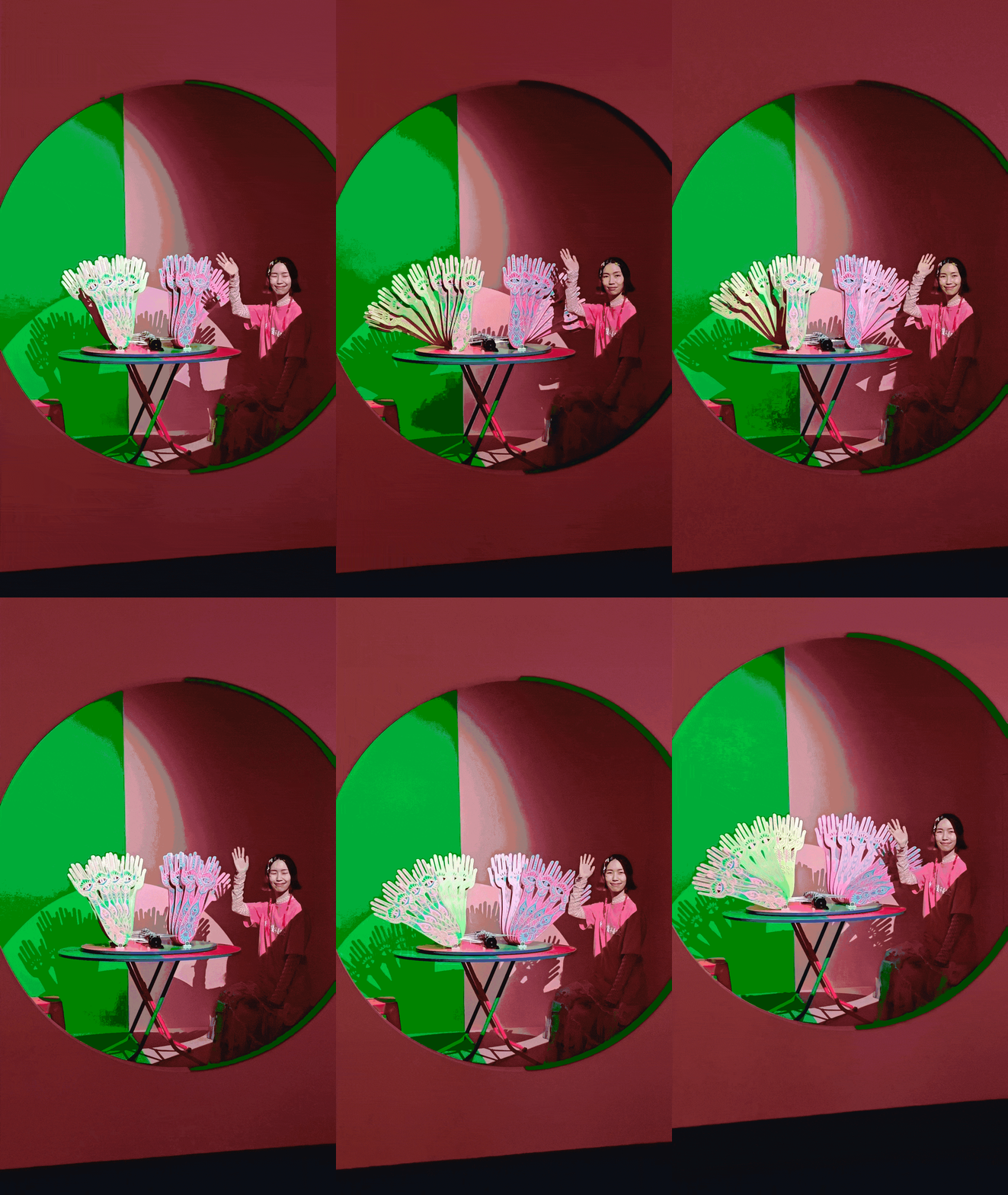
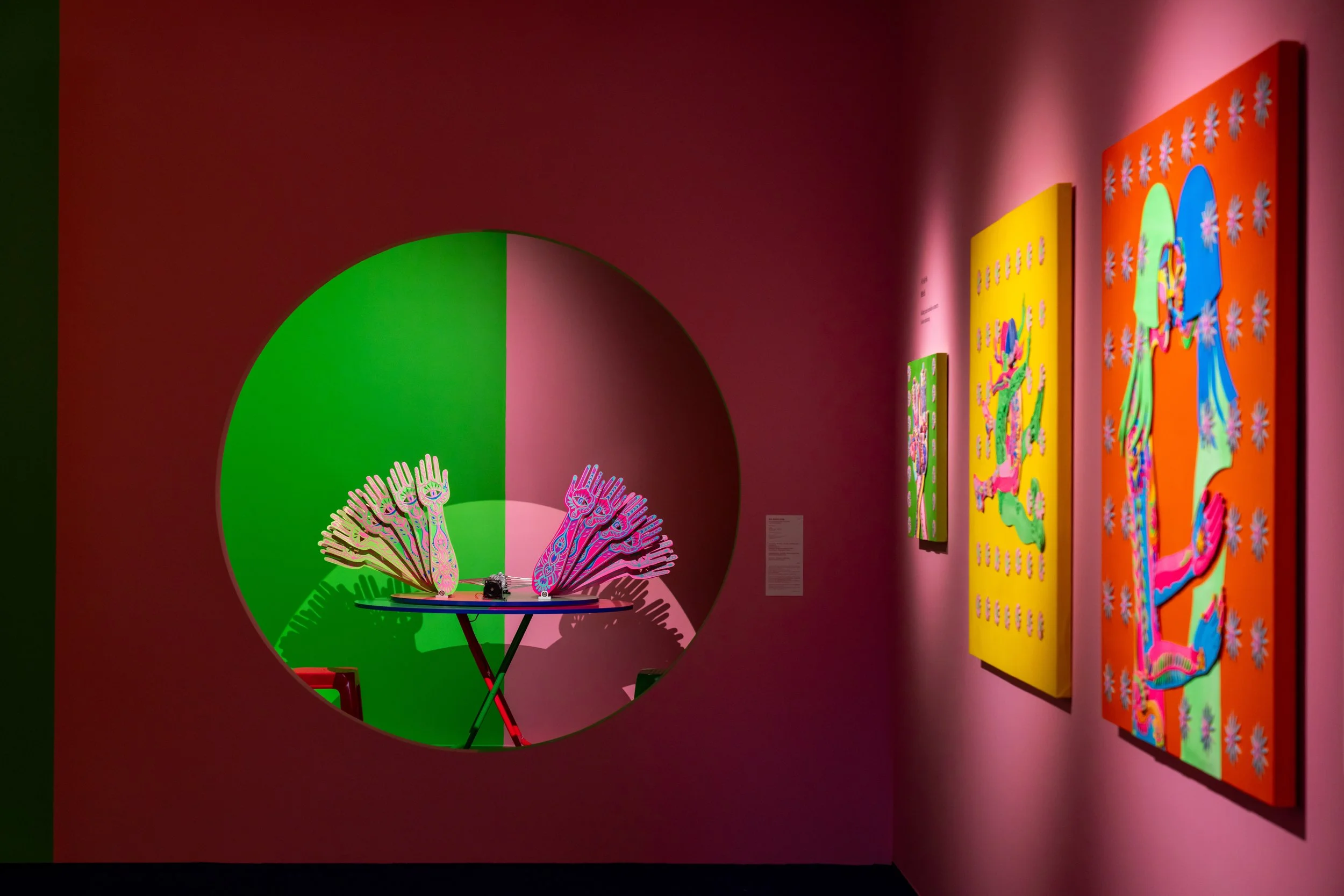
《挥手 对称初见与别离》
陈粉丸、陈权生
动态雕塑
剪纸、电机、不锈钢、折叠餐桌、胶凳
2023
Wave Hands to Our First Meet and Last Goodbye
Chen Fenwan, Chen Quansheng
Kinetic sculpture
2023
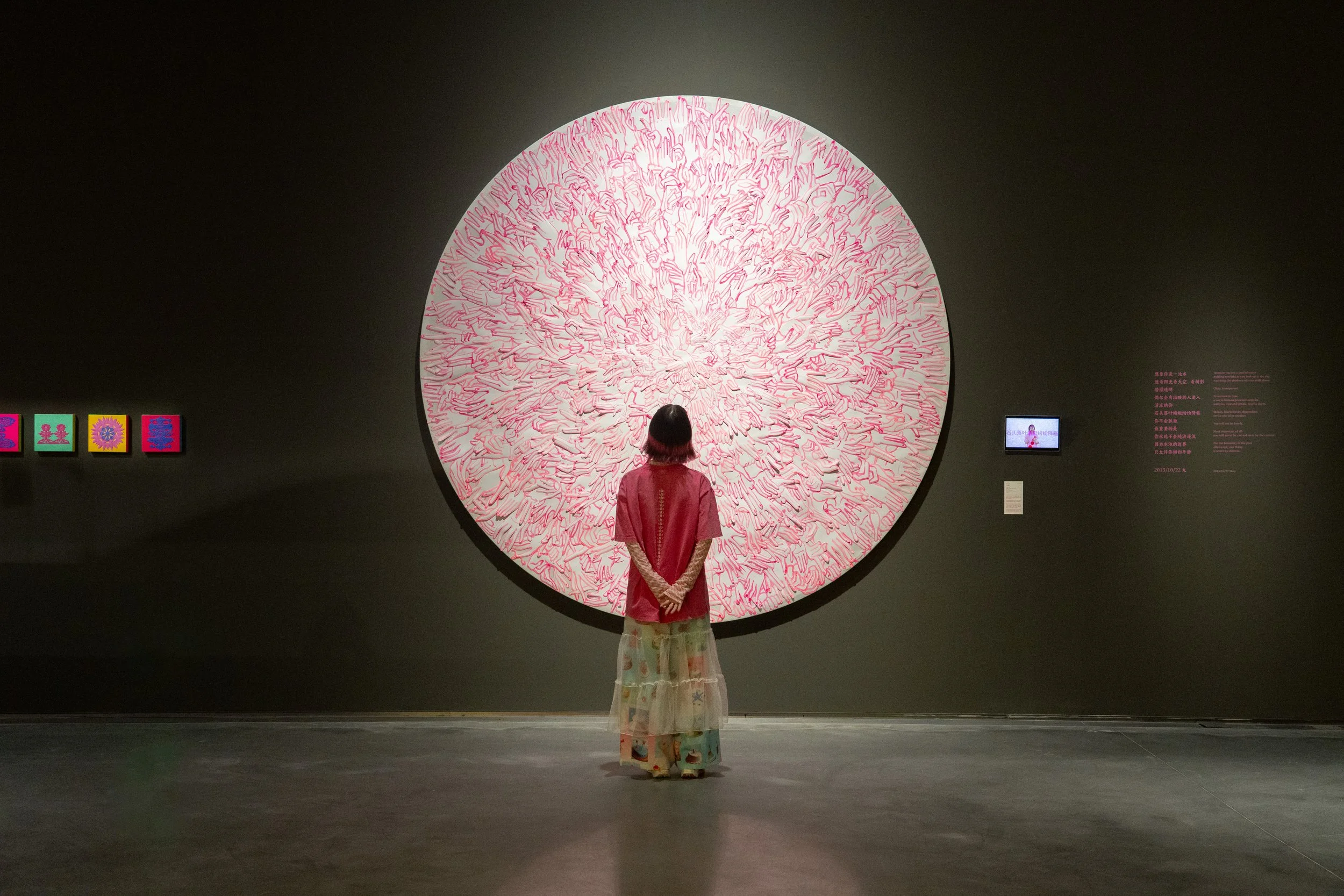
《乌托邦》
架上剪贴、影像
纸张雕刻、亚克力颜料、油画布、显示屏
直径300厘米
2017—2023年
Utopia
Collage on canvas, video
Laser cutting paper, acrylic paint, canvas, flat screen
Dia. 300 cm
2017-2023
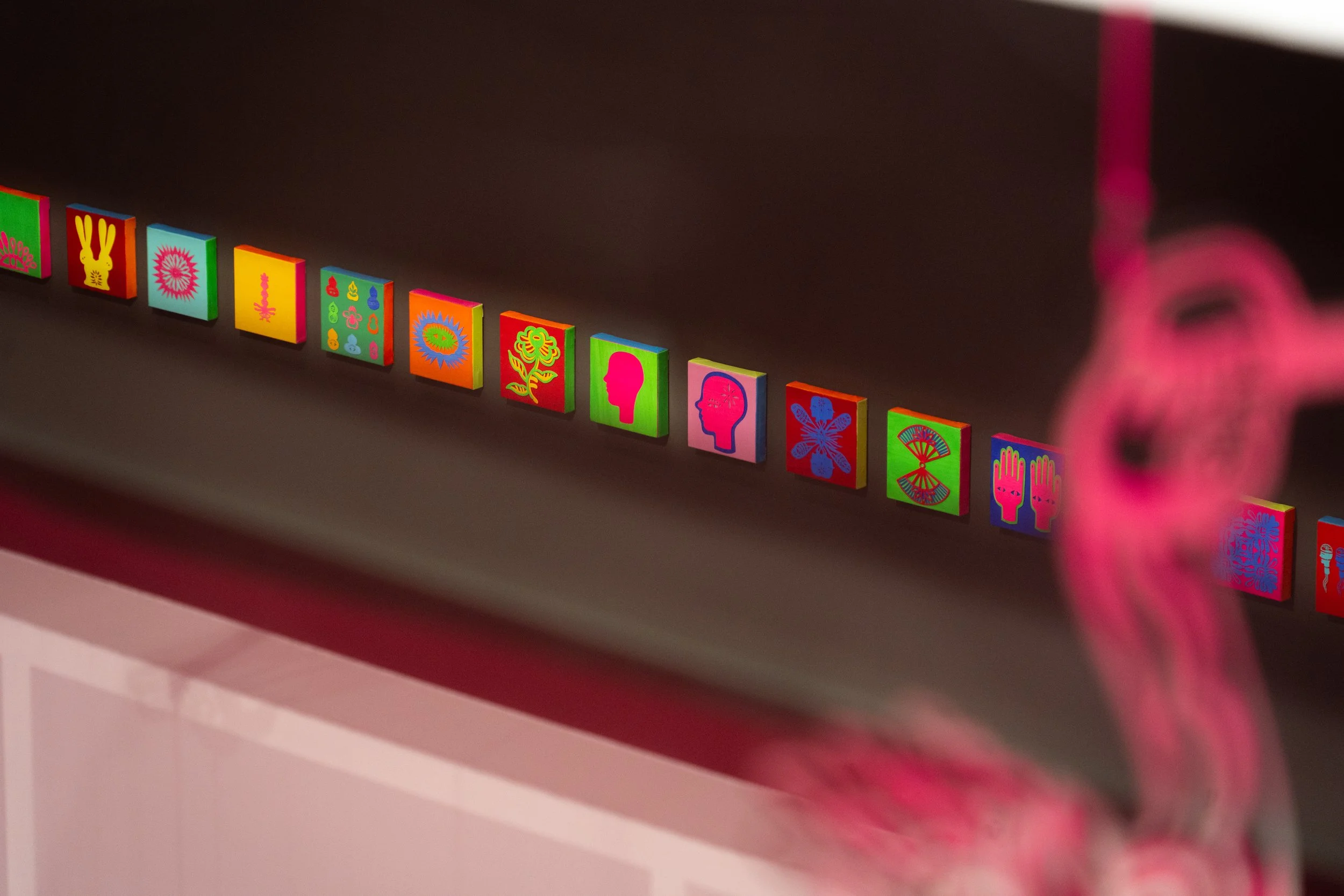
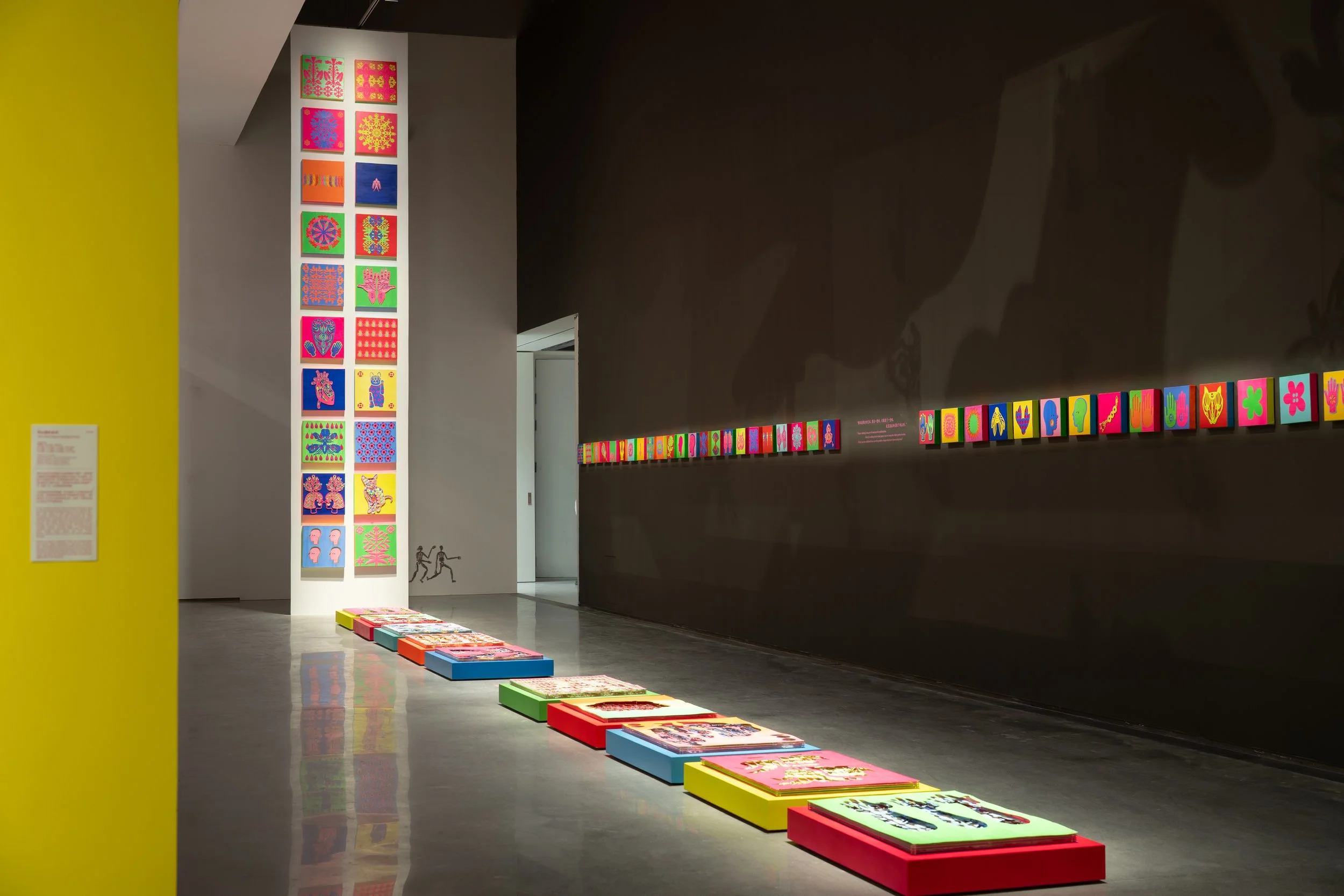
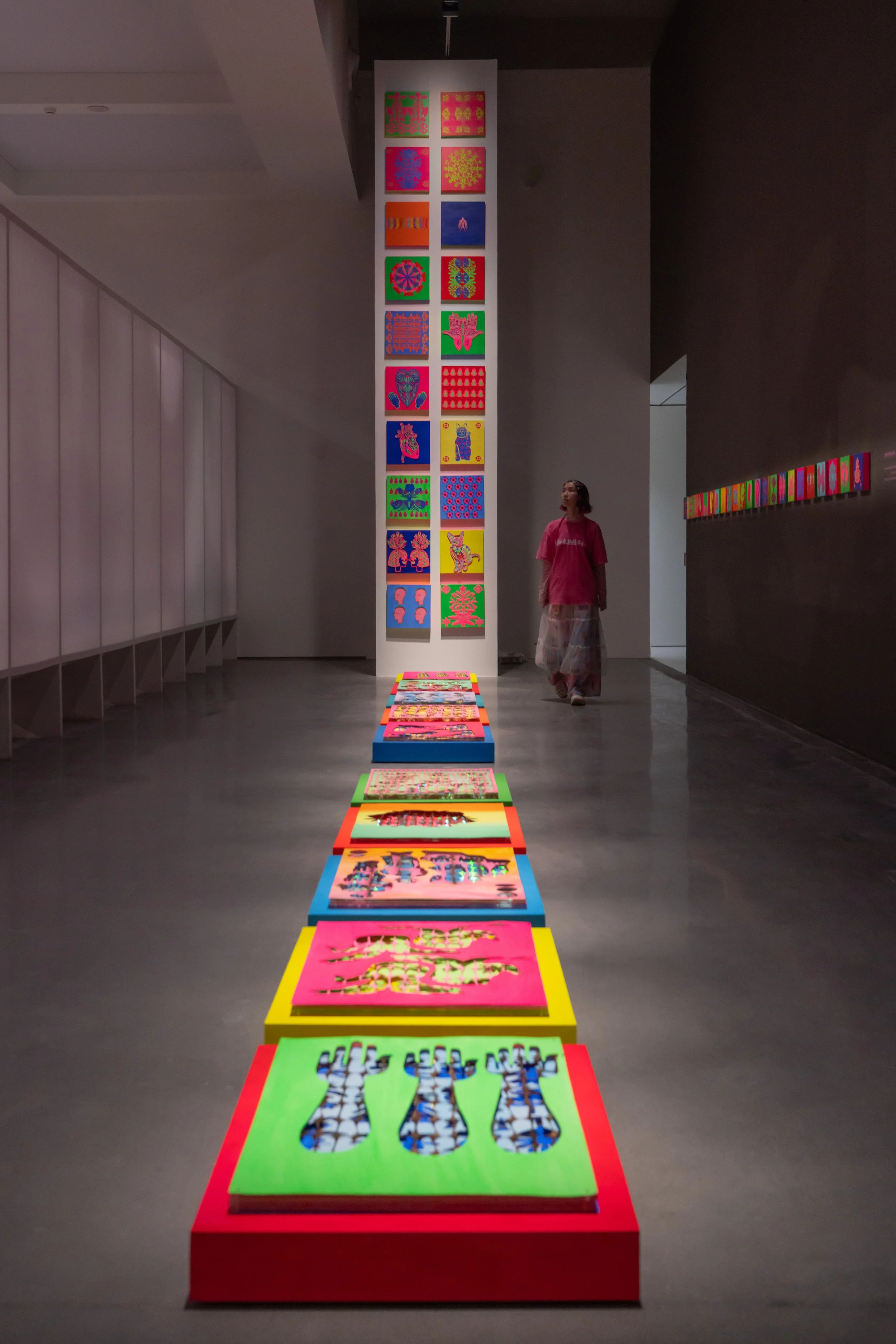
《剪纸宇宙-正负形》
多层剪纸拼贴
纸张雕刻、亚克力颜料、油画布、透明亚克力
2024-至今
The Universe of Paper Cutting – Positive & Negative Shapes
Multi-layer papercutting collage
Laser cutting paper, acrylic paint, oil canvas, acrylic accessories
2024-ongoing
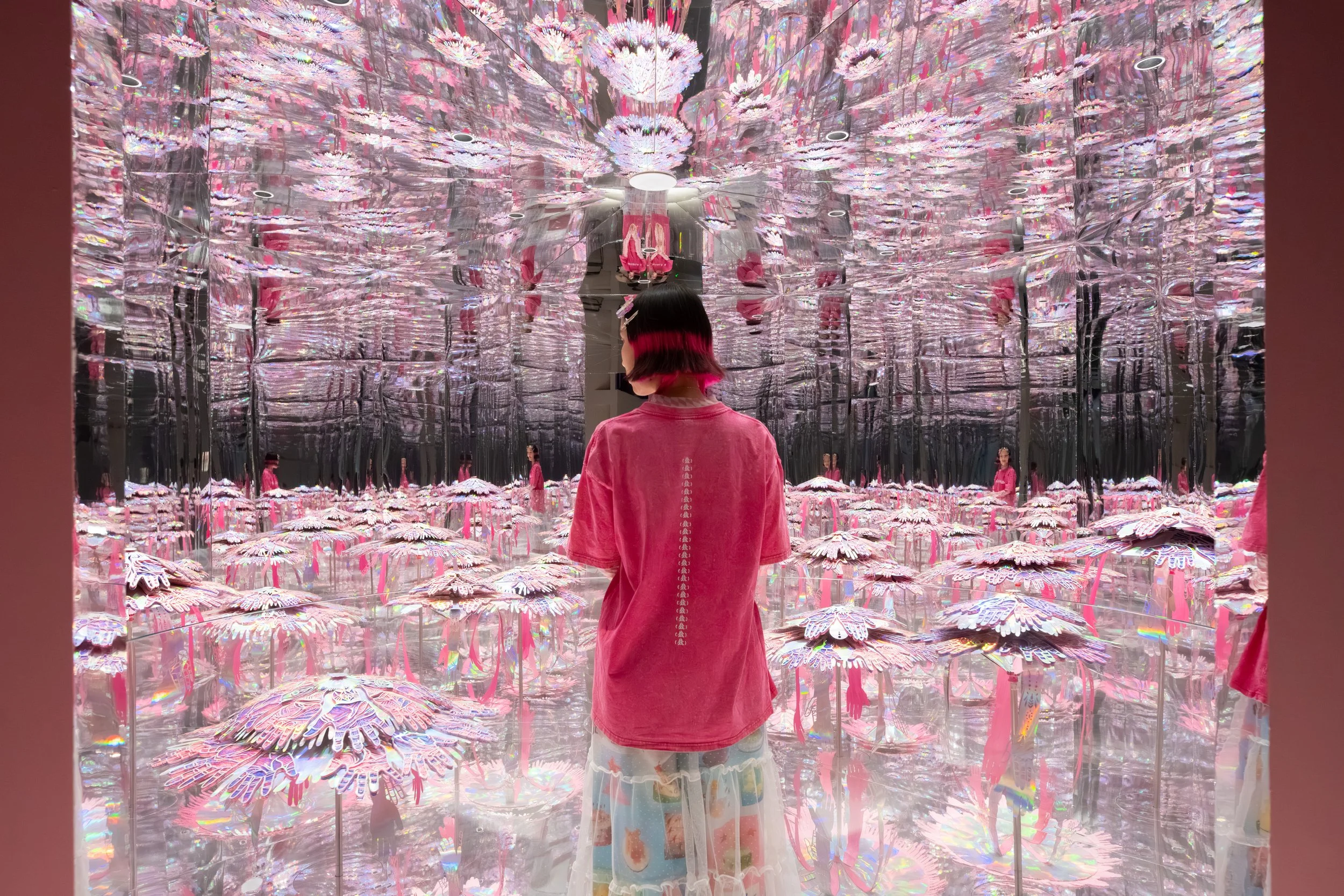
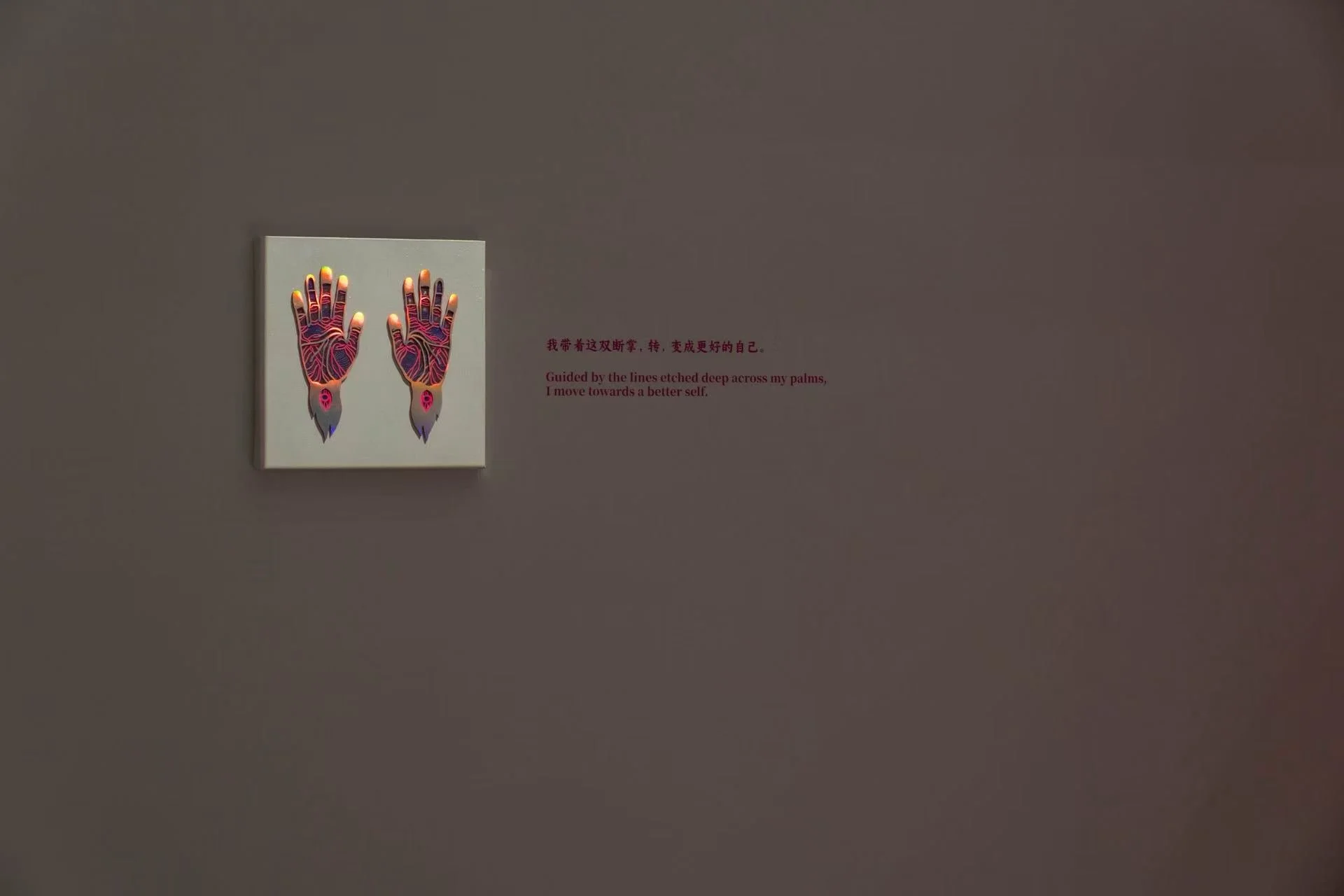
《转运花园》
装置,架上剪贴
纸张雕刻、亚克力颜料、电机、不锈钢镜面
尺寸可变,30 × 30cm
2019年
Lucky Garden
Installation, collage on canvas
Laser cutting paper, acrylic paint, micro motors, stainless steel mirrors
Dimensions variable, 30 × 30cm
2019
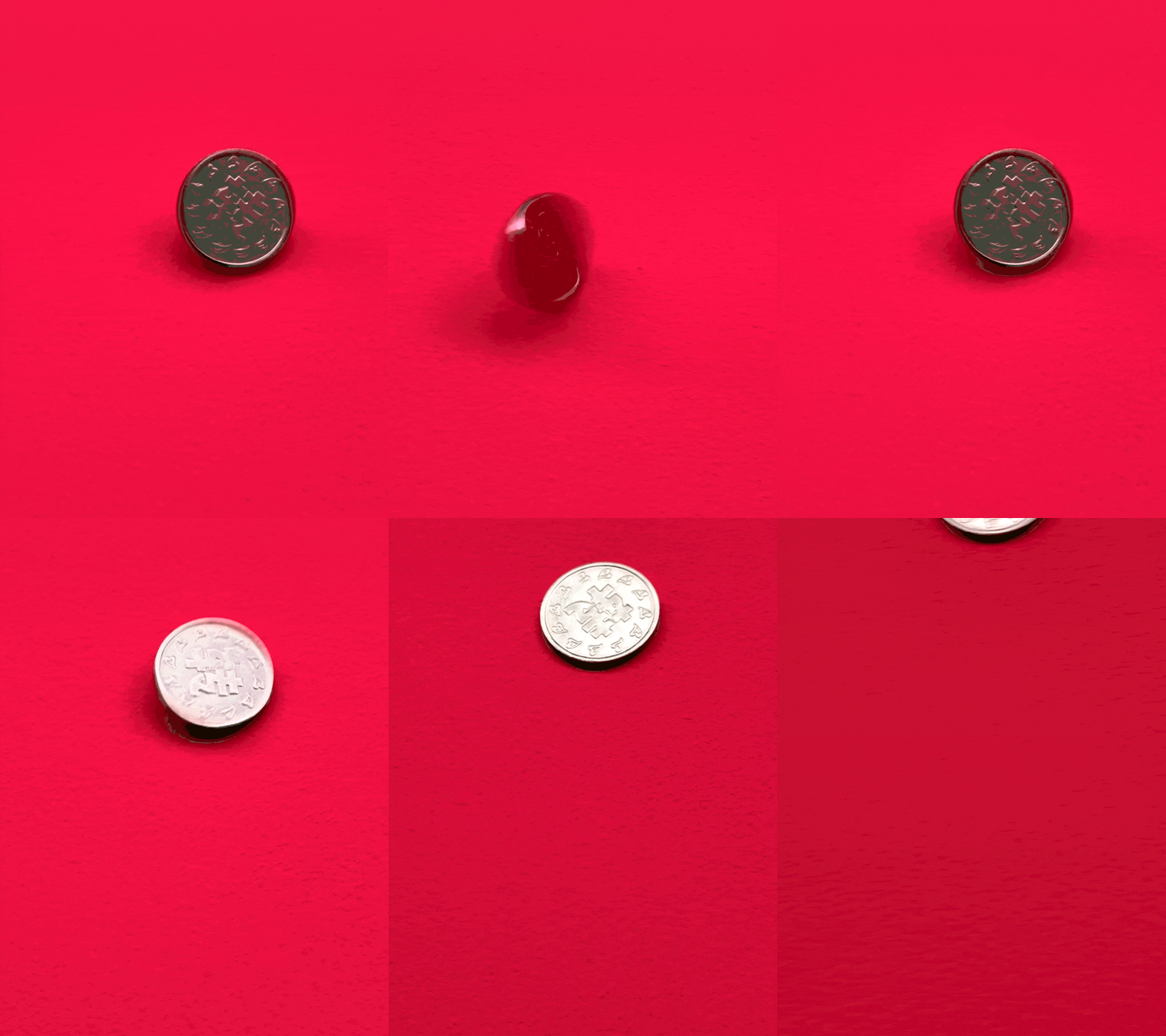
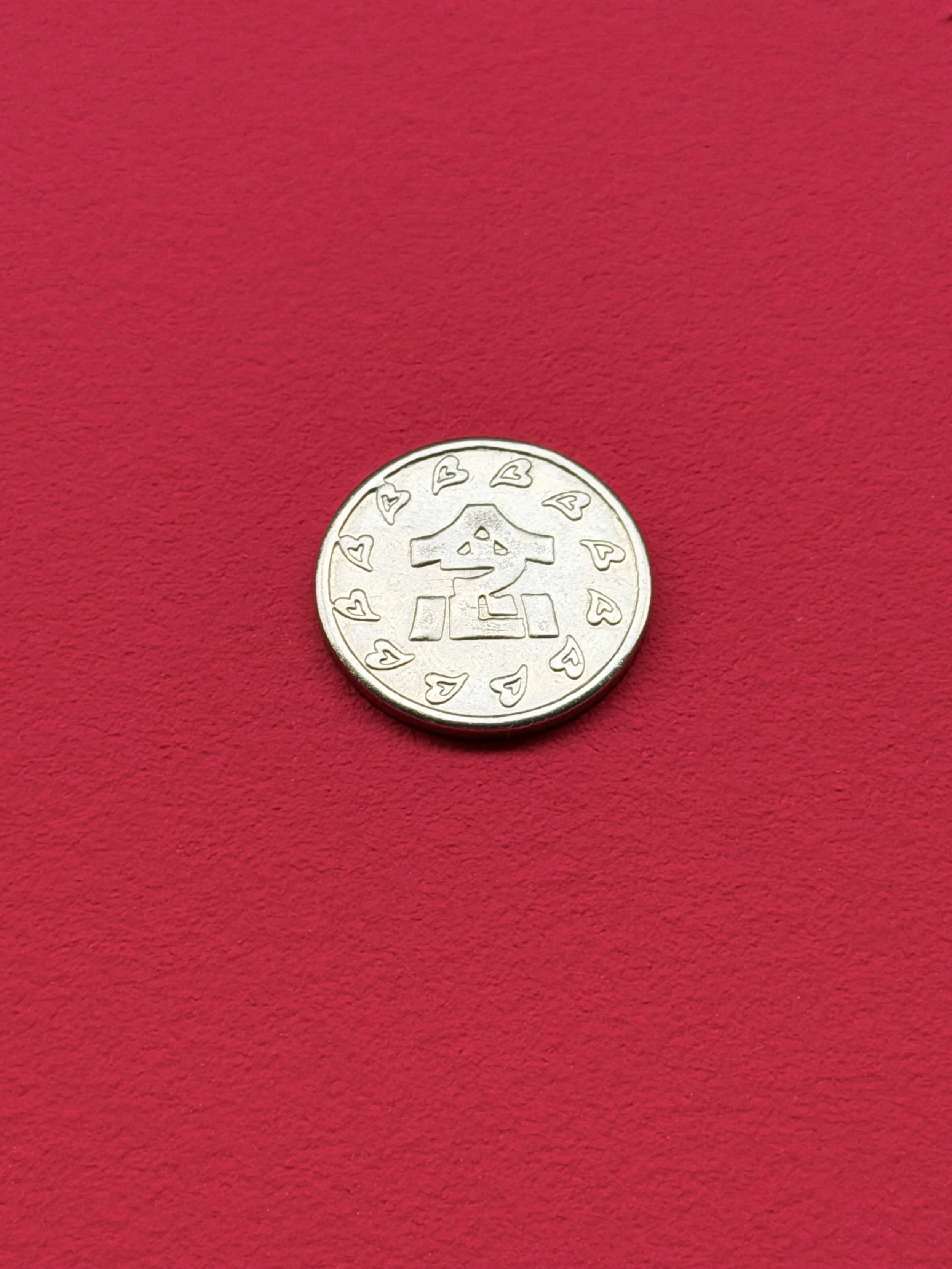
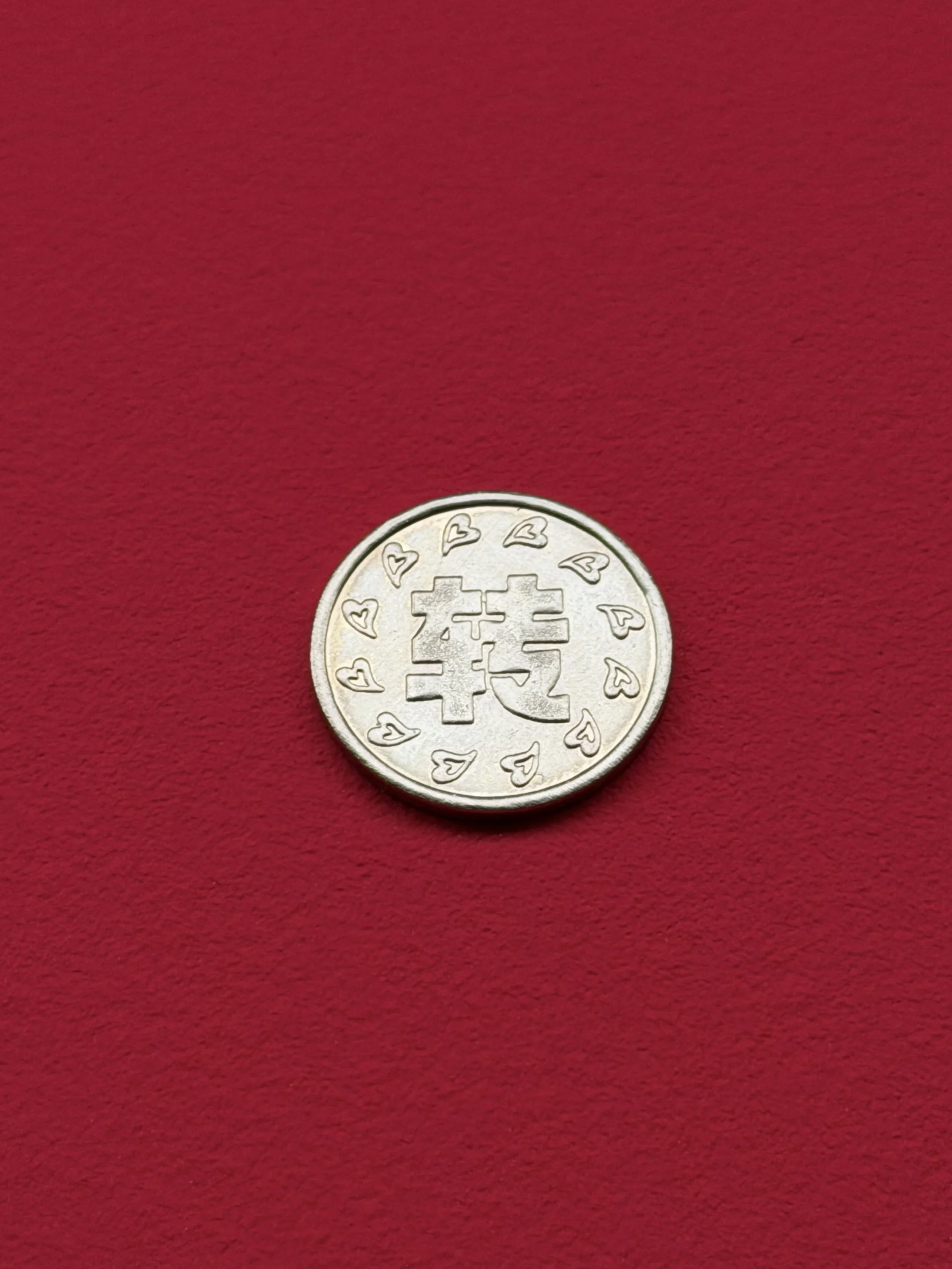
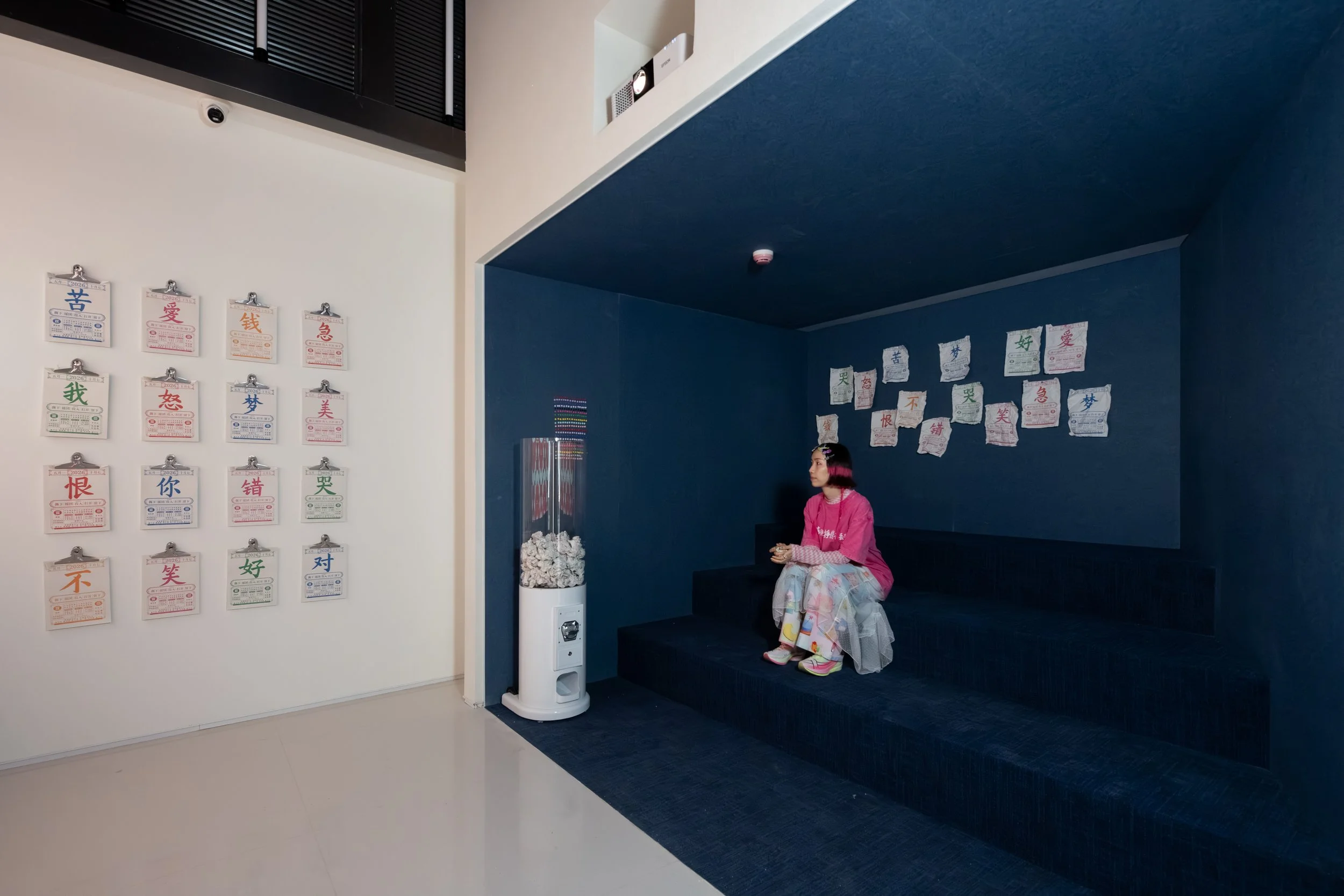
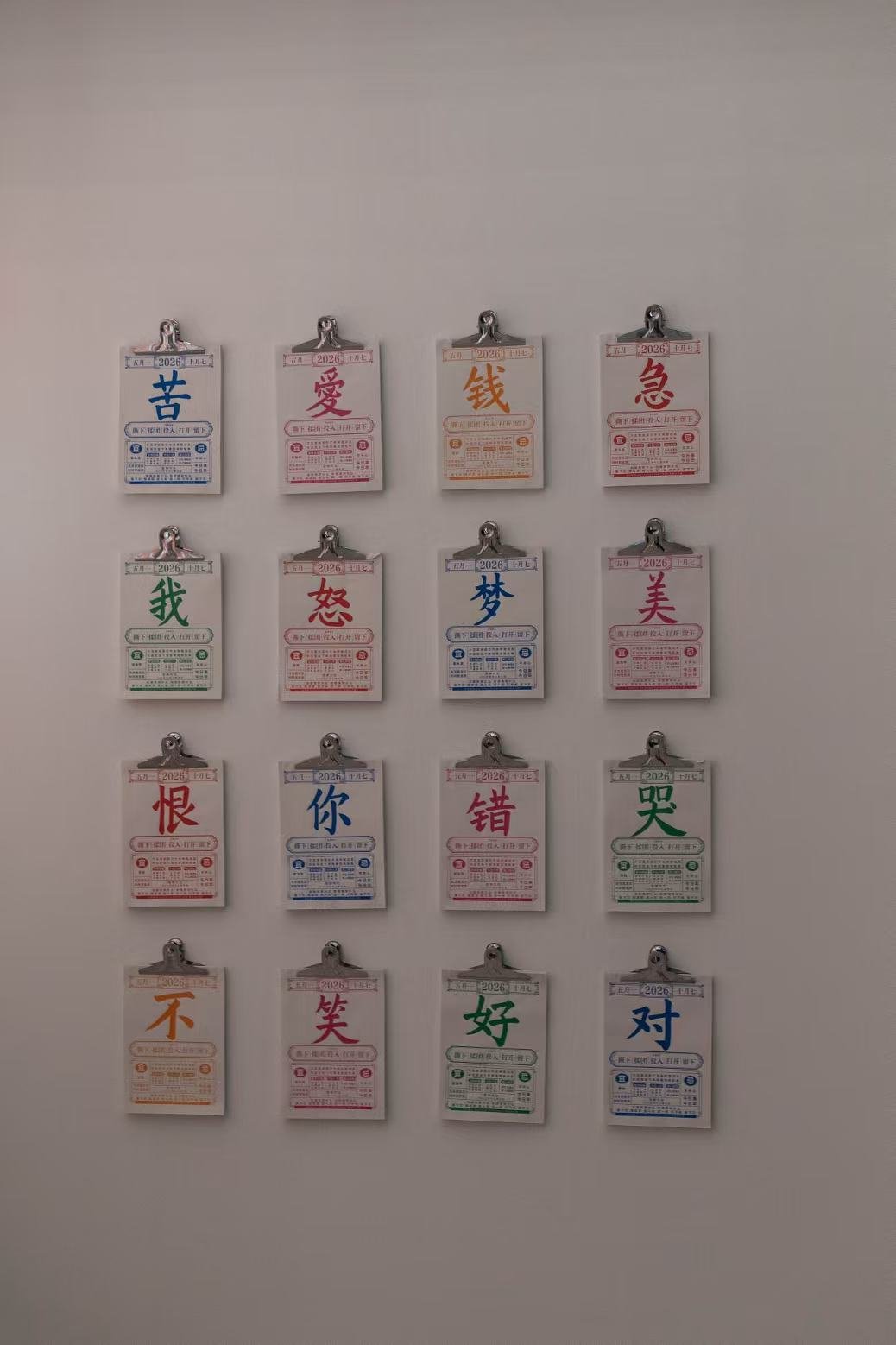
《转念机》
互动游戏,影像
游戏代币、扭蛋机、手撕本、图钉
2026年
Mind-Turning Machine
Interactive game, video
Game tokens, gashapon machine, tear-off notepads, pushpins
2026
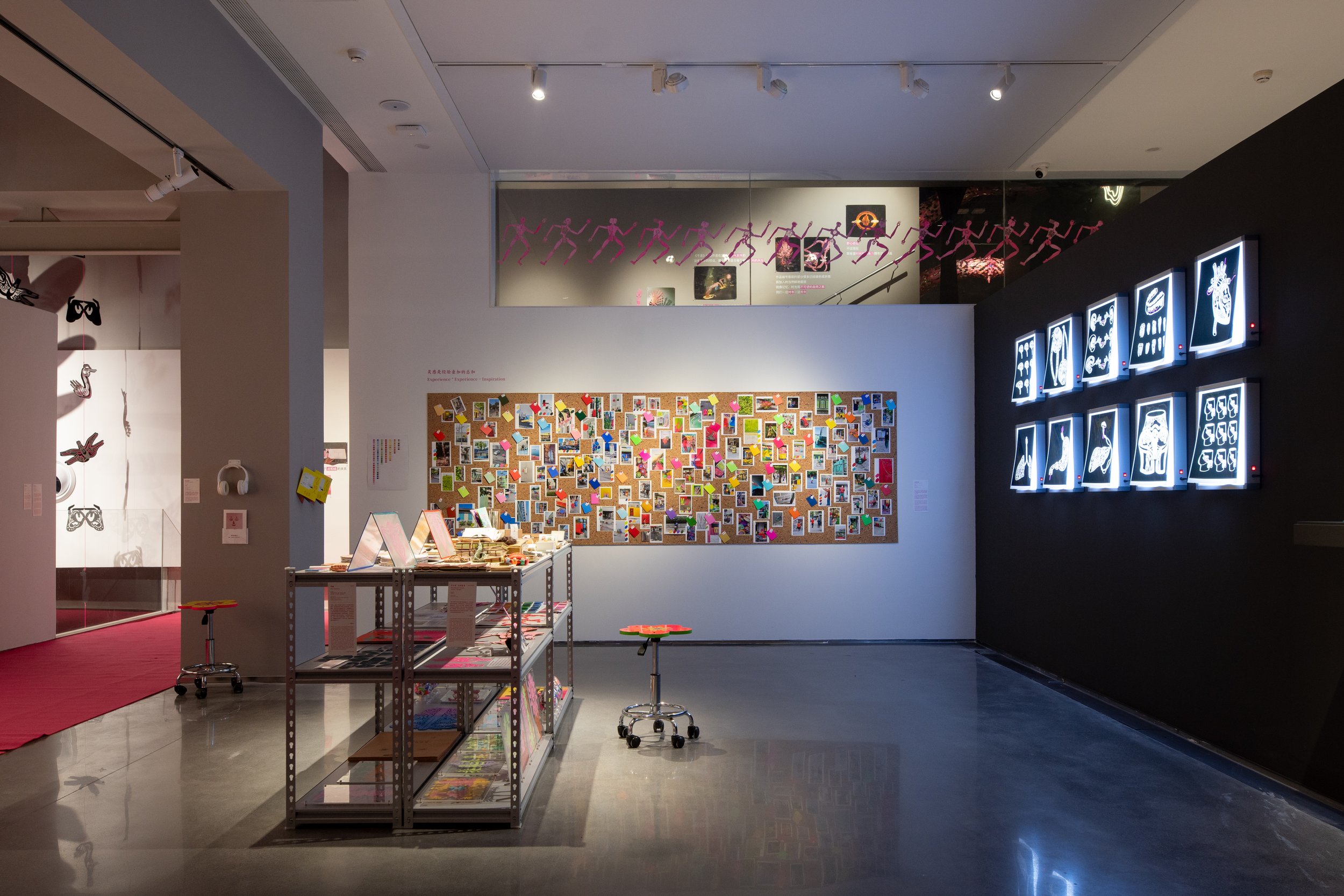
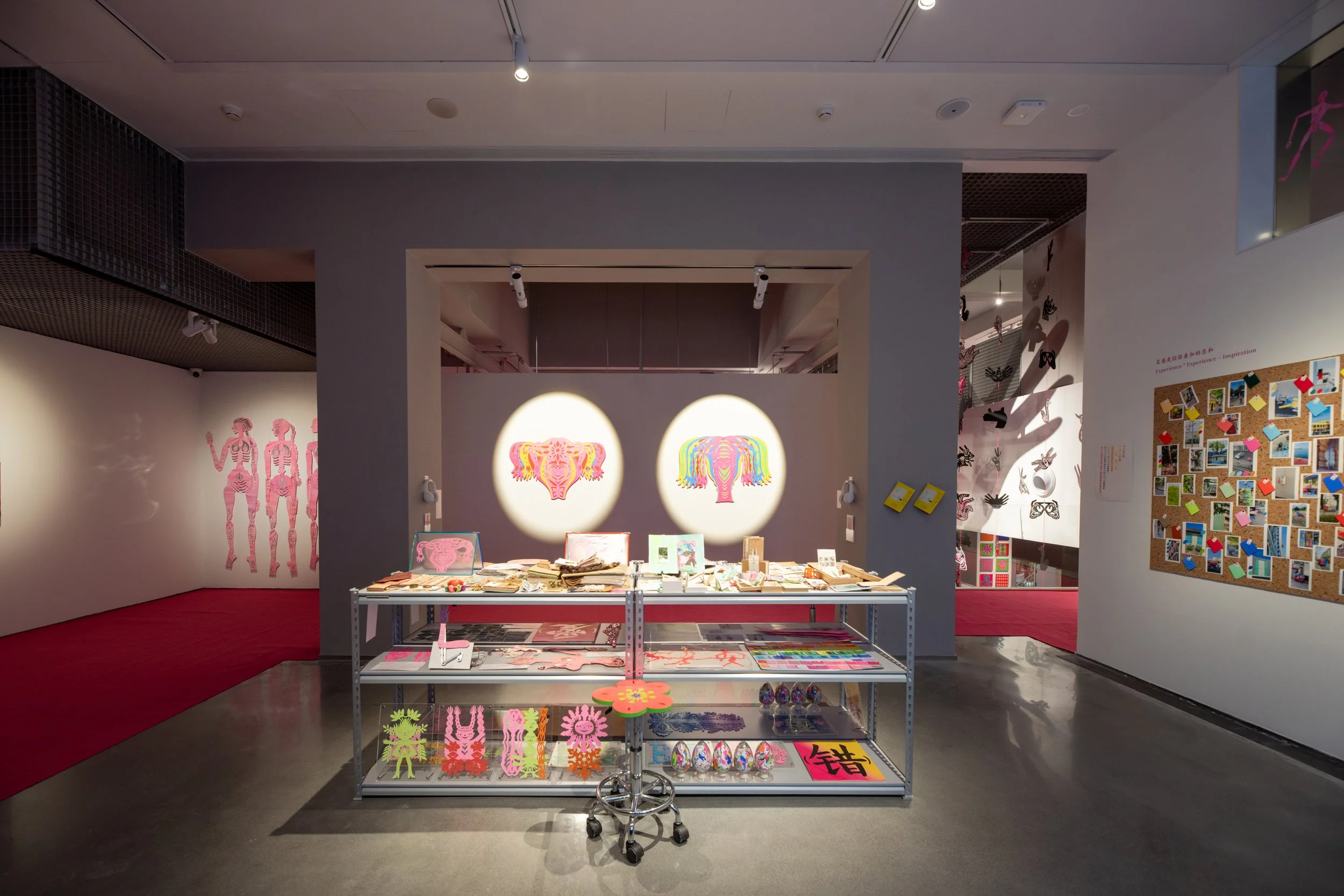
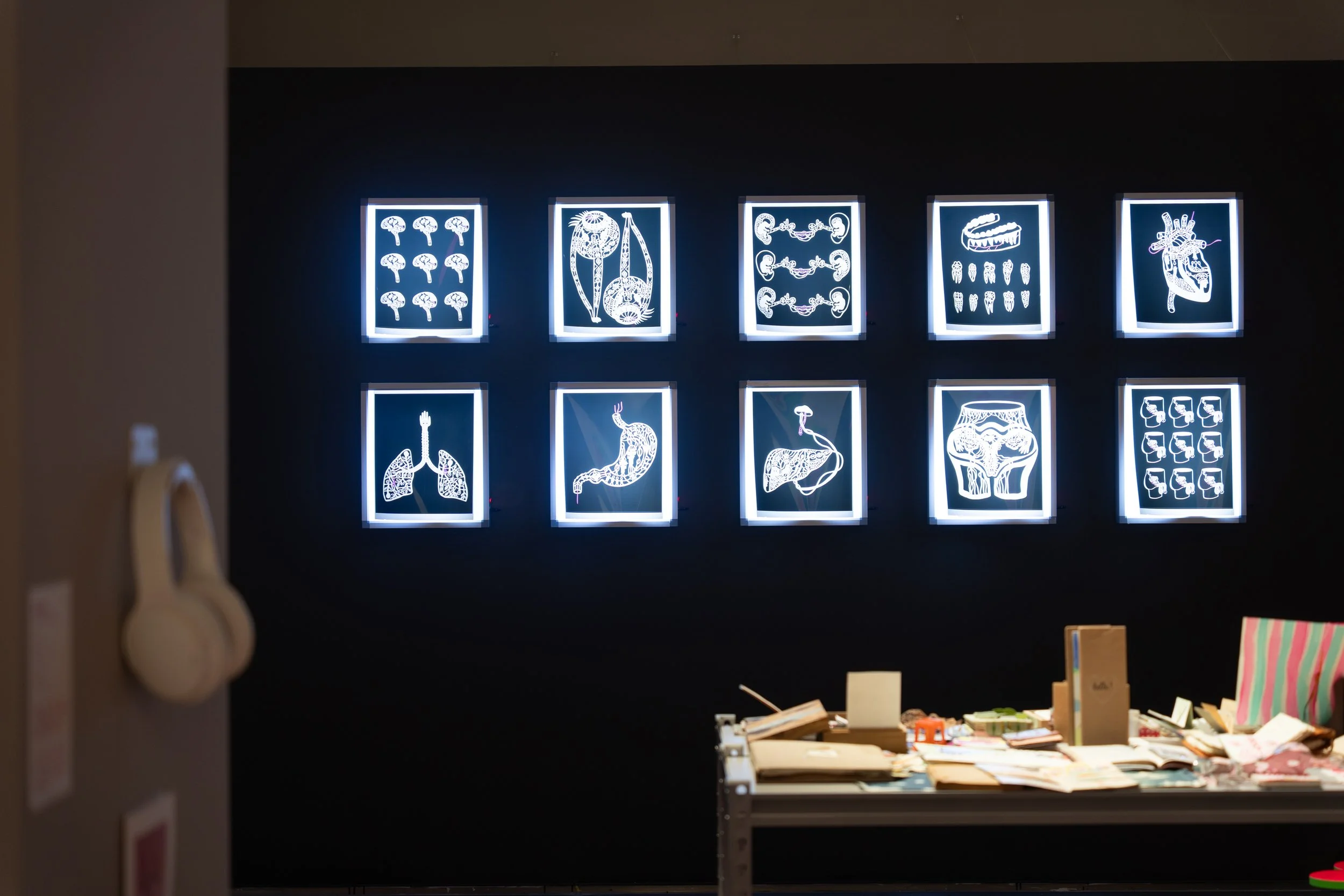
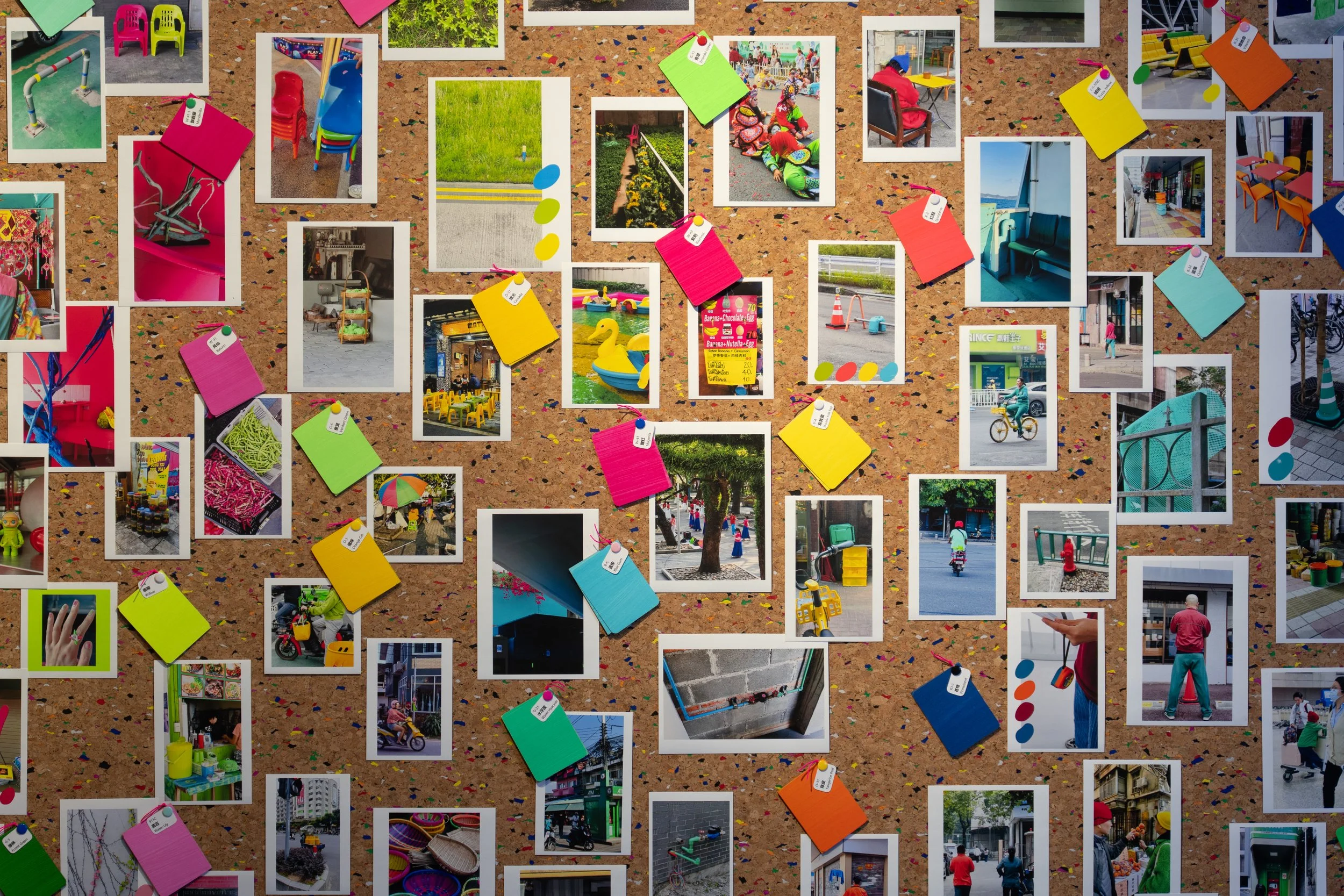
《祝您健康》
装置
胶片、医学观片灯、艺术家书
41.5 x 47cm,55 x 75厘米
2015-2023年
May Good Health Be with You
Installation
Film, medical imaging, artist’s book
41.5 x 47 cm, 55 x 75 cm
2015-2023
《日常观察清单》
手机摄影
艺术微喷
多种尺寸
2023-至今
Daily Observation Lists
Mobile Photography
Giclée print
Various dimensions
2023-ongoing
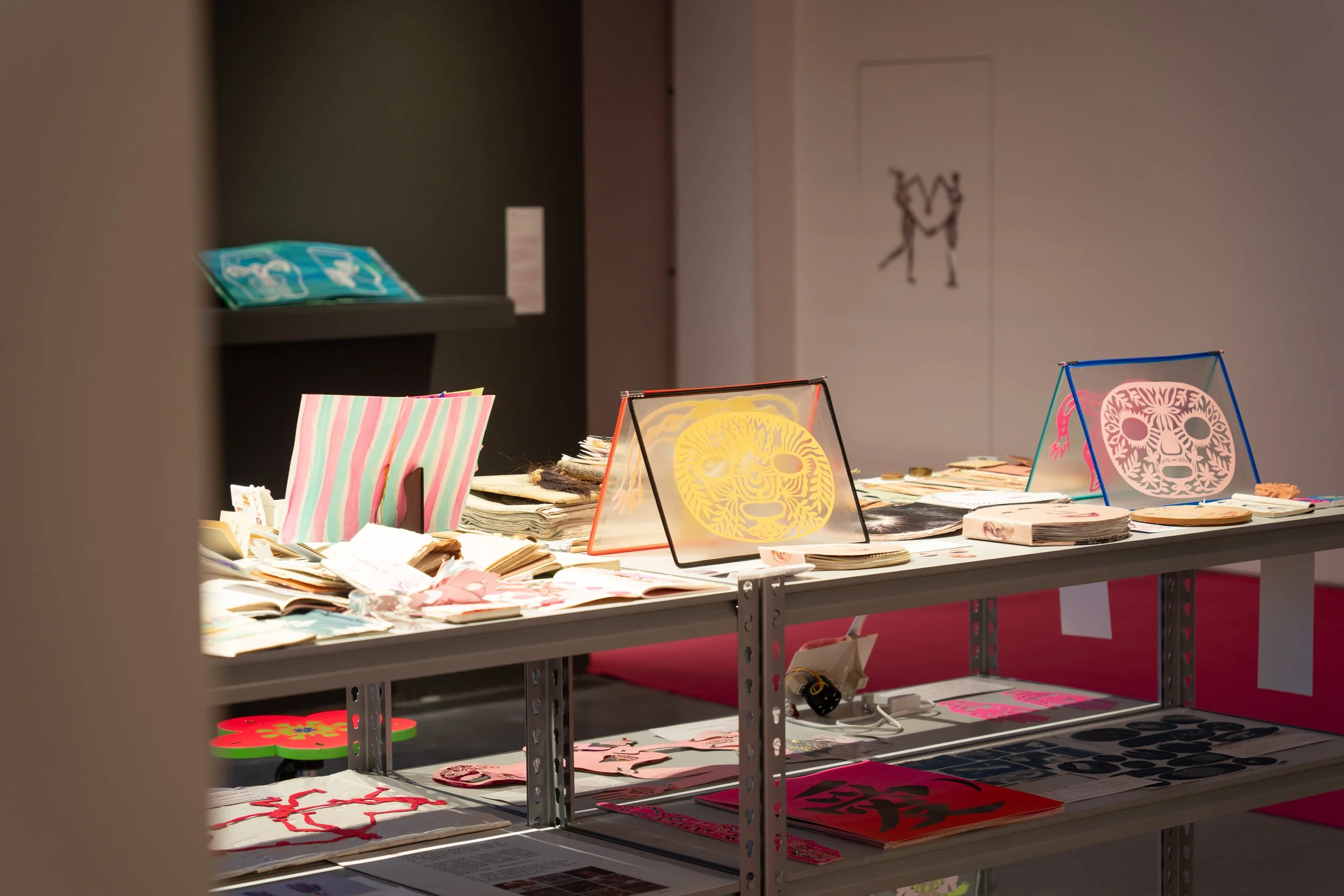
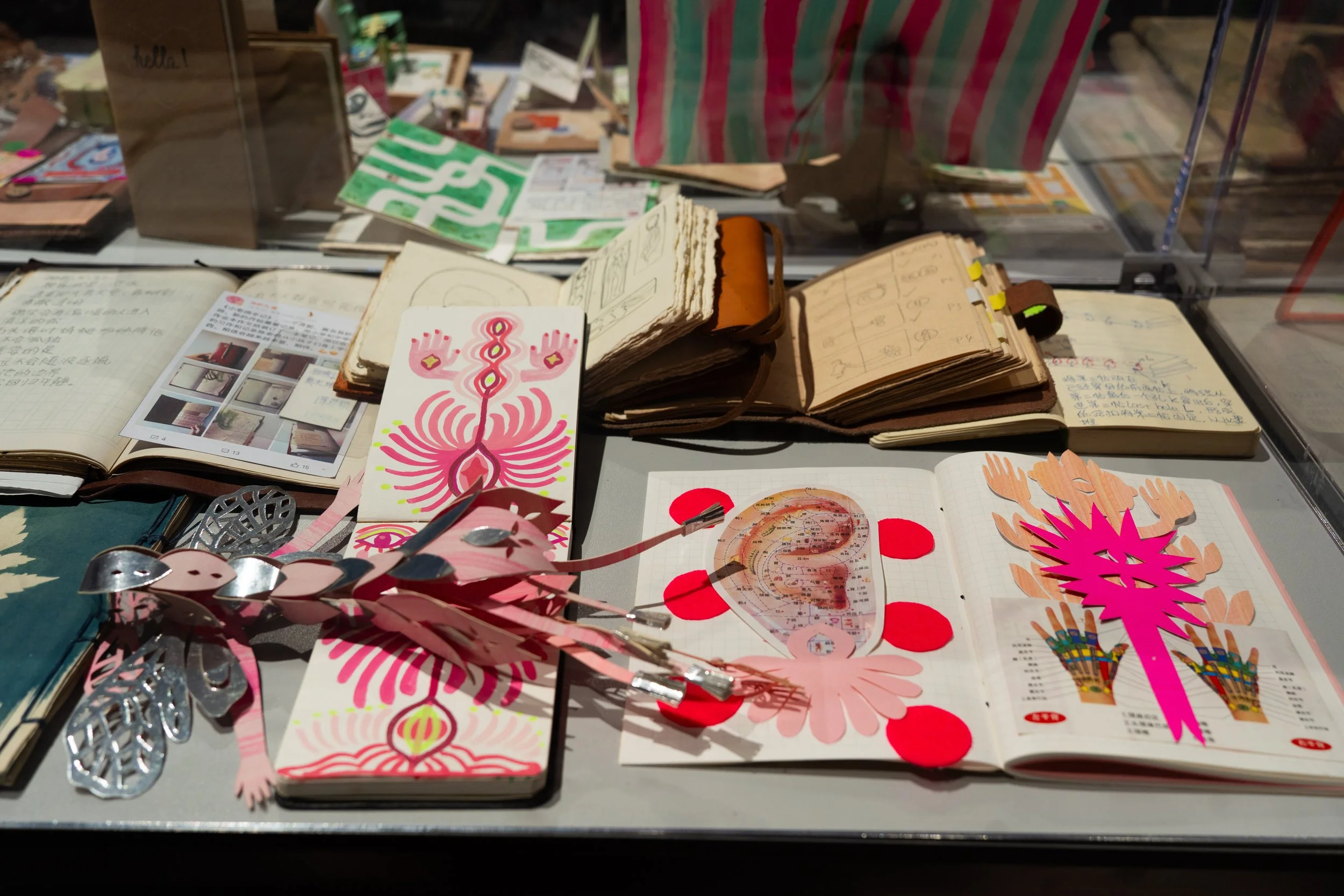
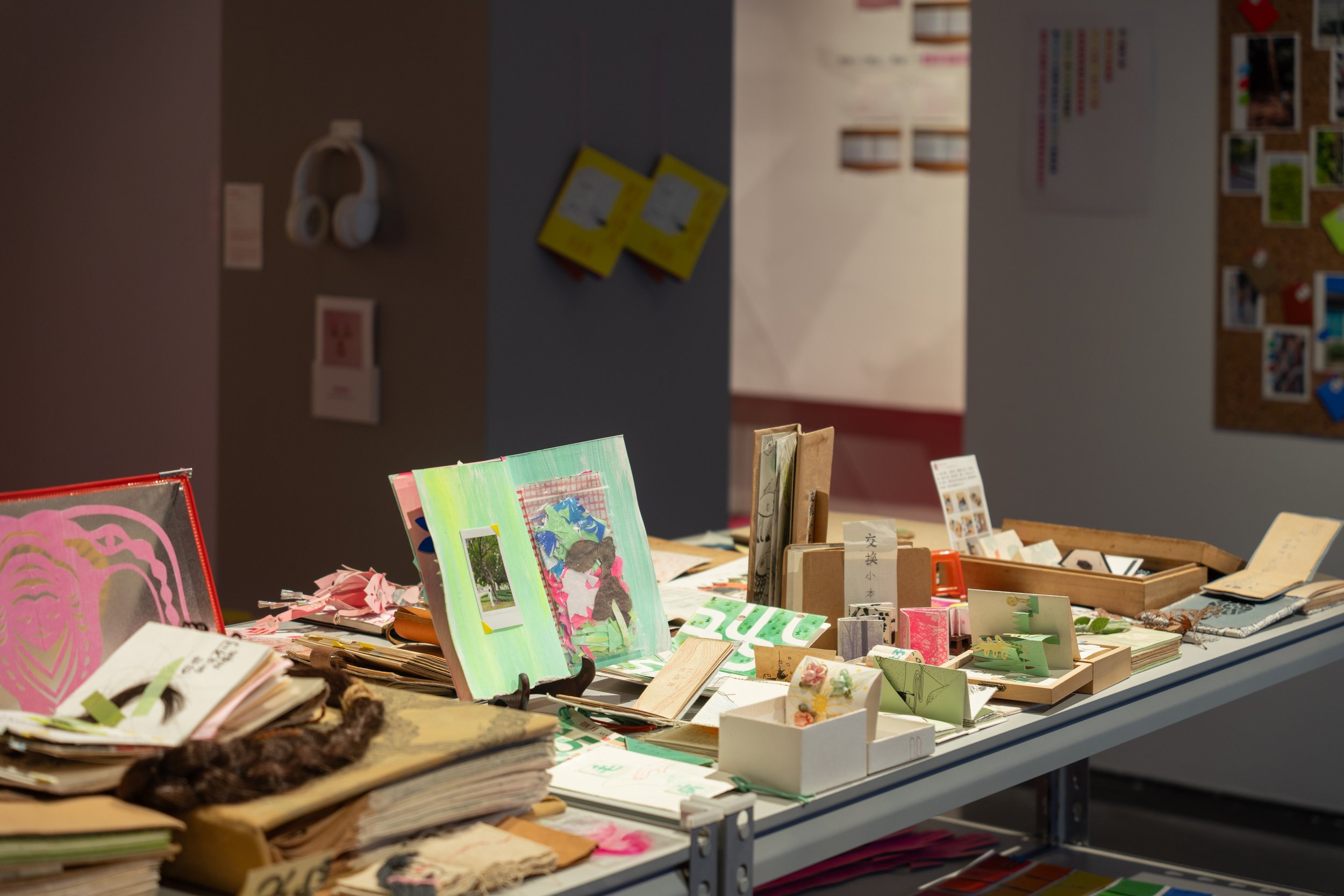
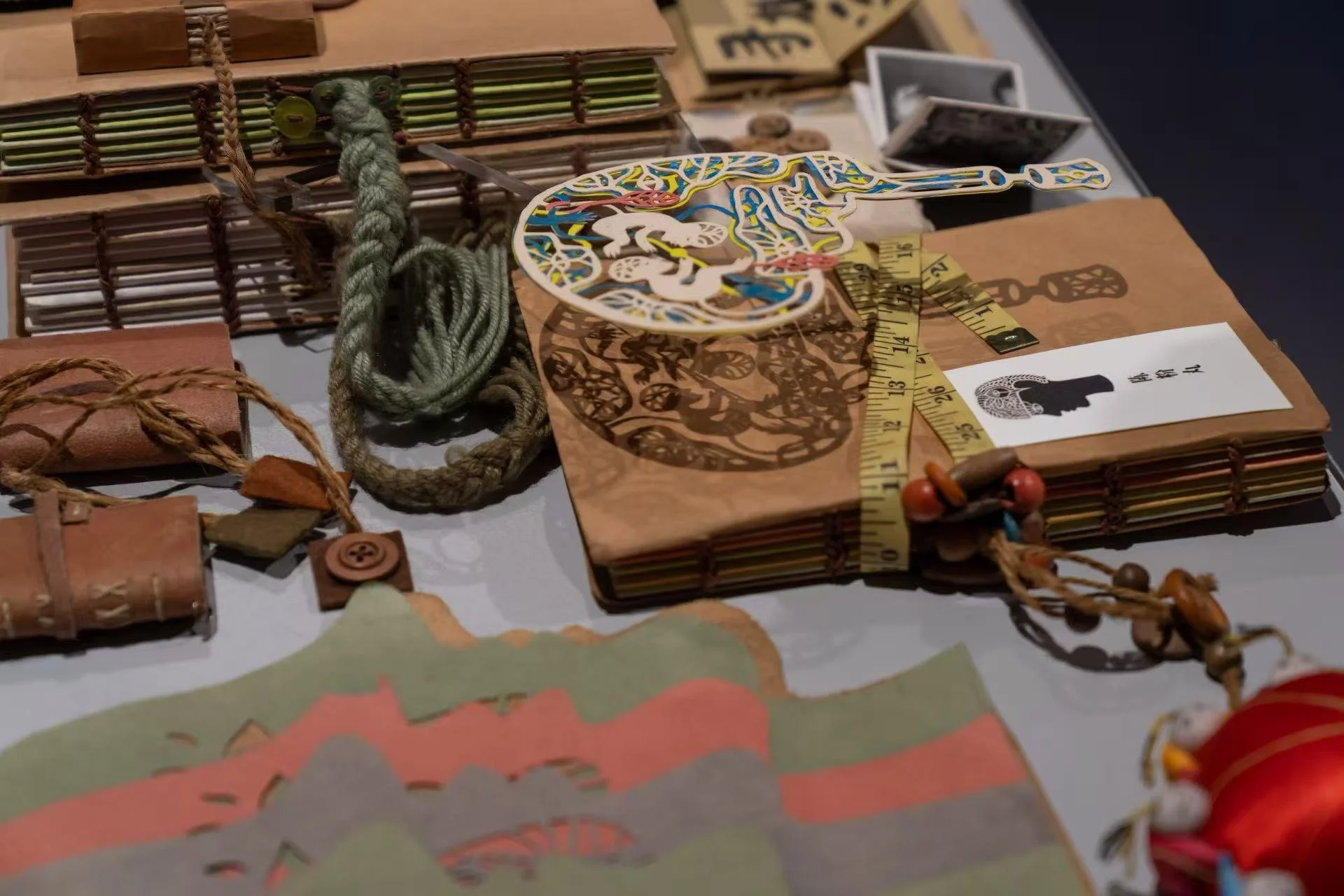
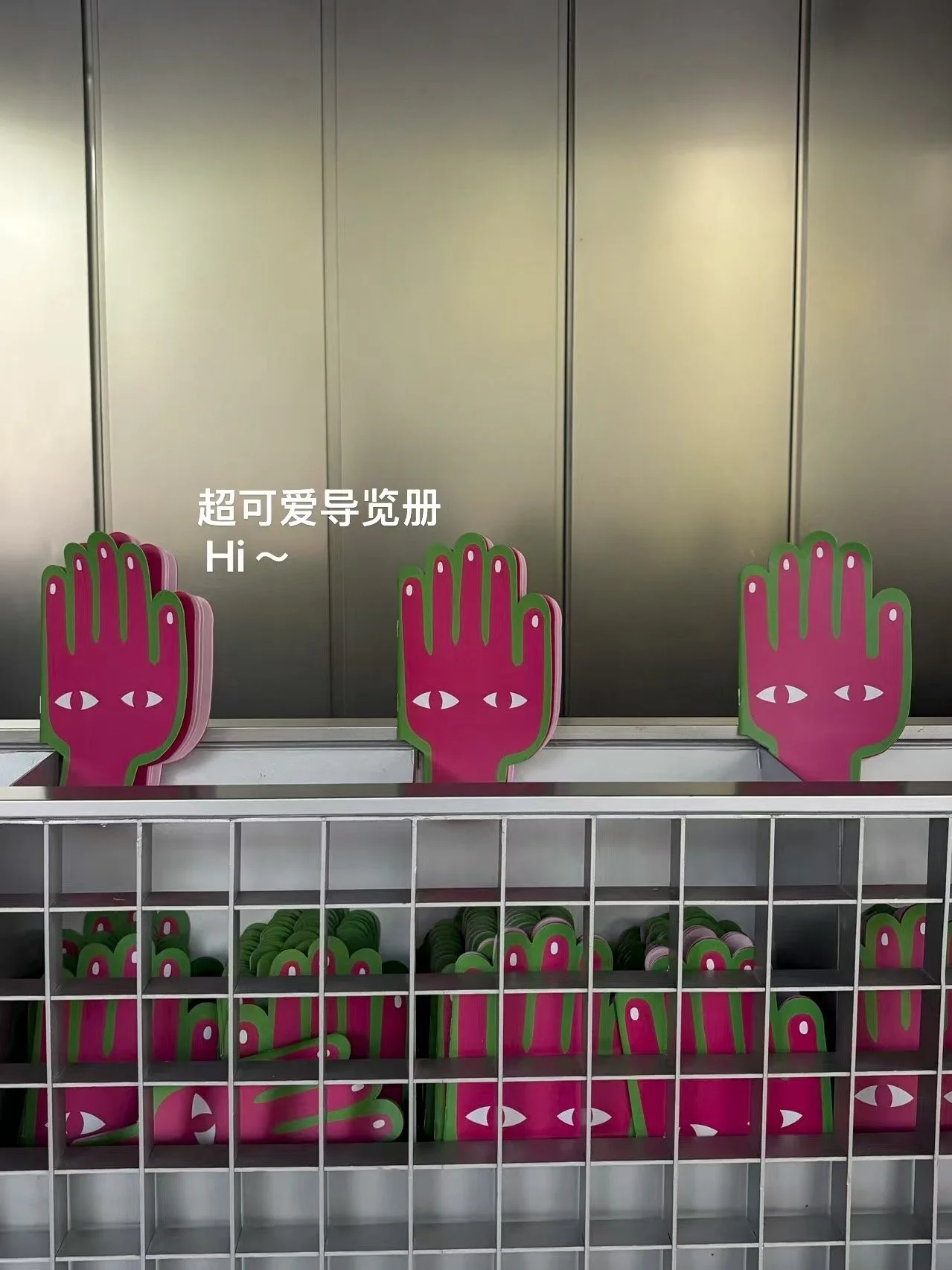
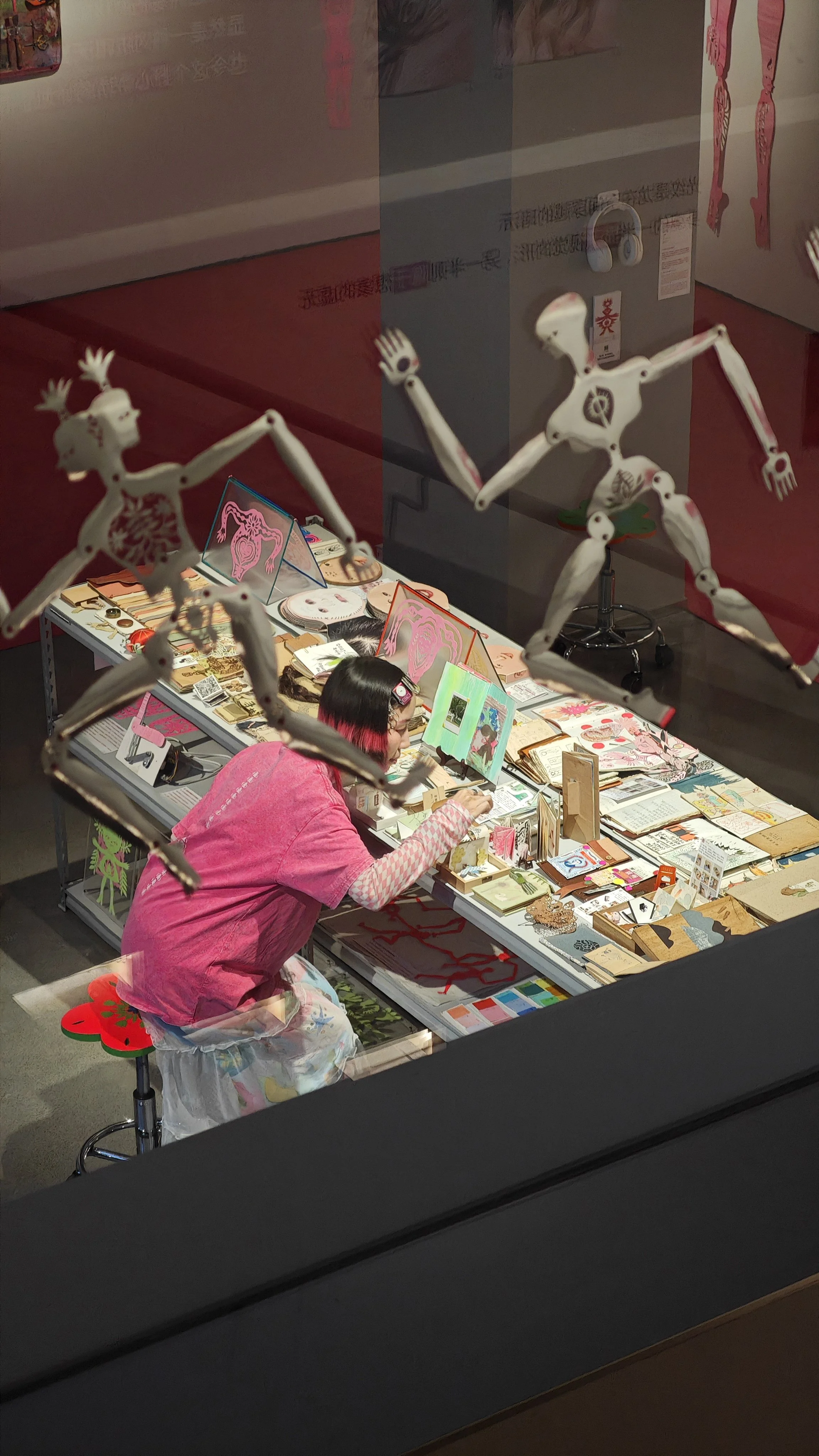
《手工书、艺术家书》
综合材料
多种尺寸
2012—2026
Handmade Books, Artist’s Books
Mixed medium
Various dimensions
2012-2026
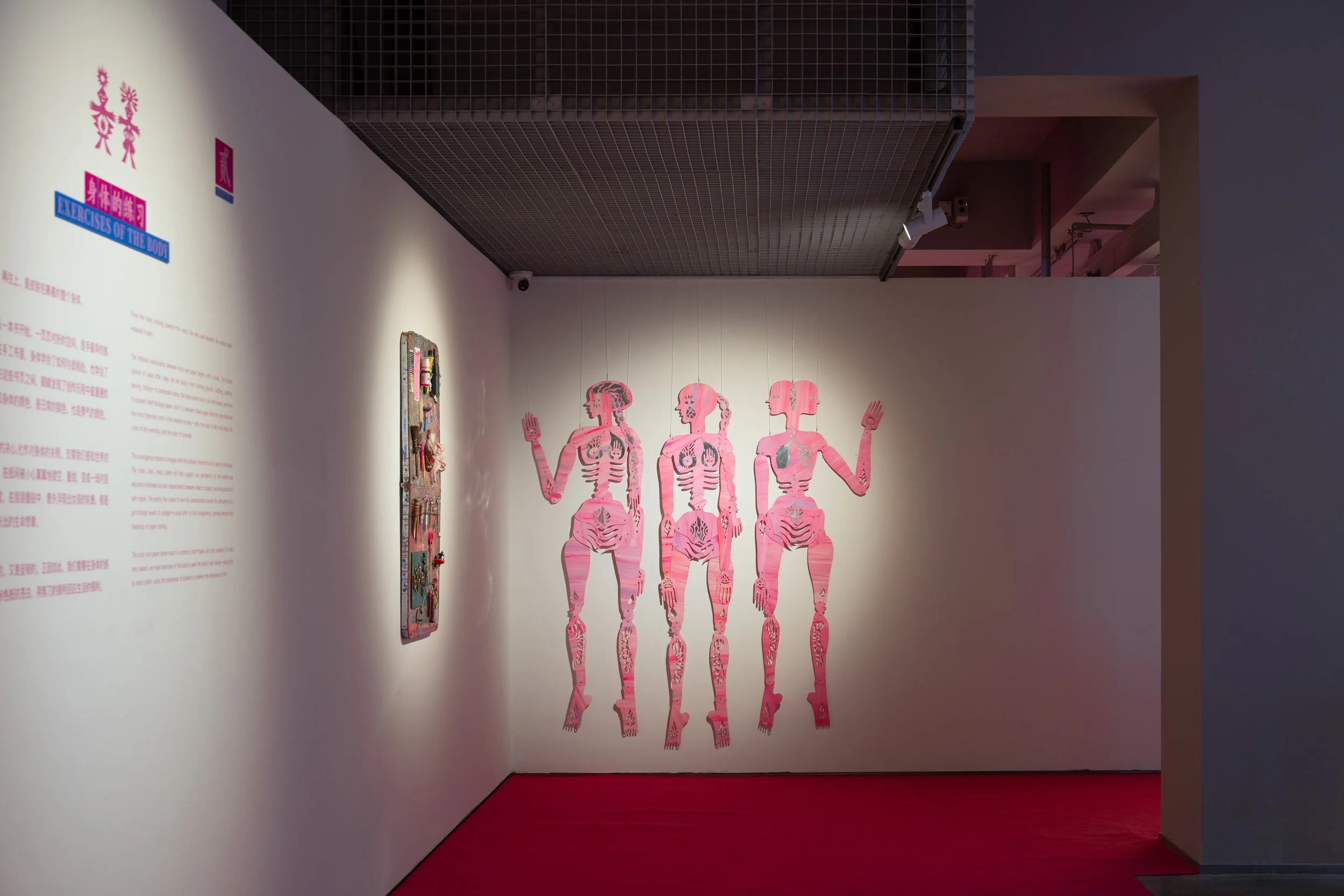
《粉色的实验》
装置
纸张雕刻、特种纸、亚克力颜料、金属
50 x 200厘米
2016
Pink Experiment
Installation
Laser cutting paper, specialty paper, acrylic paint, metal
50 × 200cm
2016
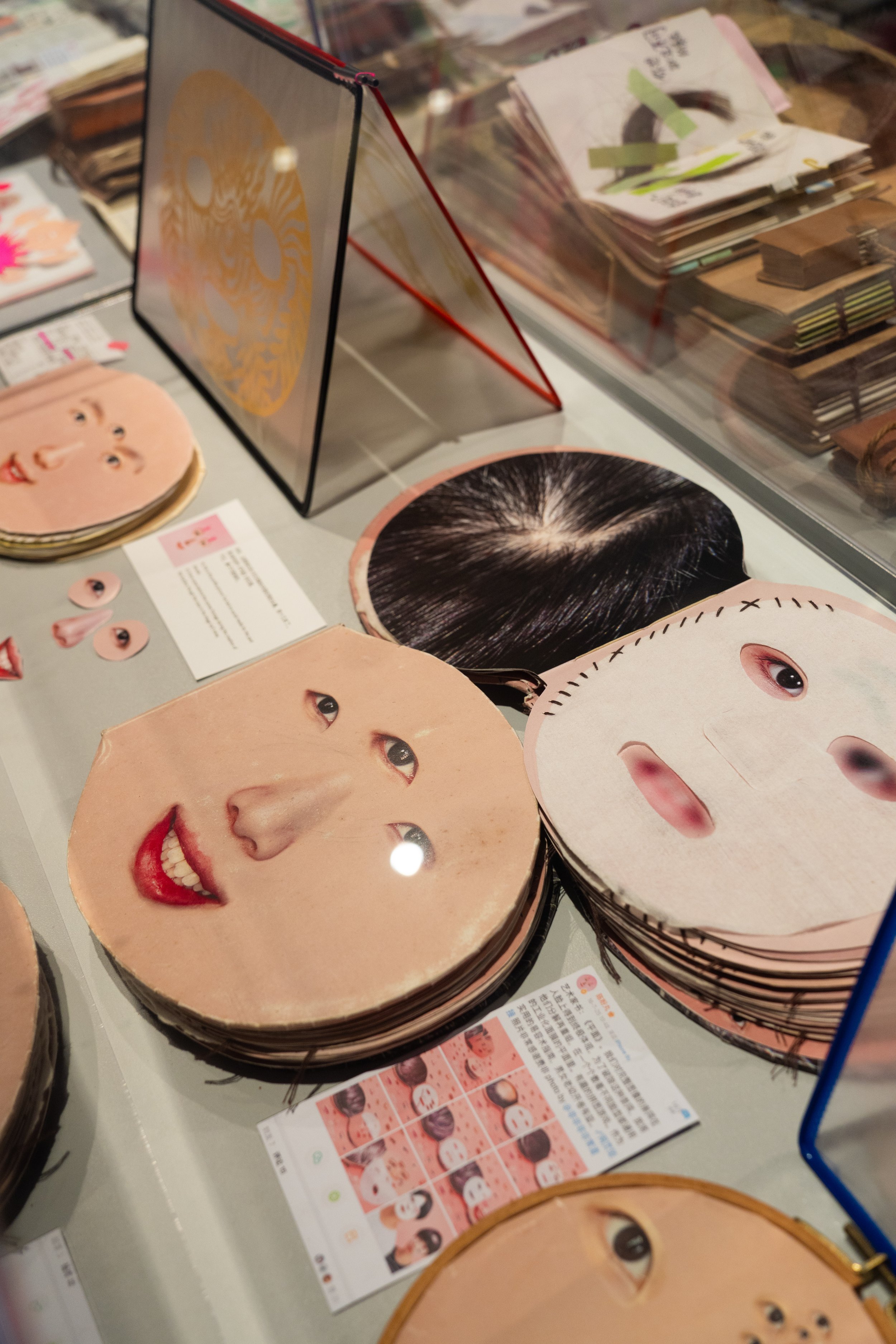
《平面》
艺术家书
综合材料
22 x 19厘米,22 x 20厘米,直径18厘米
2015
Flat Surface
Artist’s book
Mixed Medium
22 x 19 cm, 22 x 20 cm, dia. 18 cm
2015
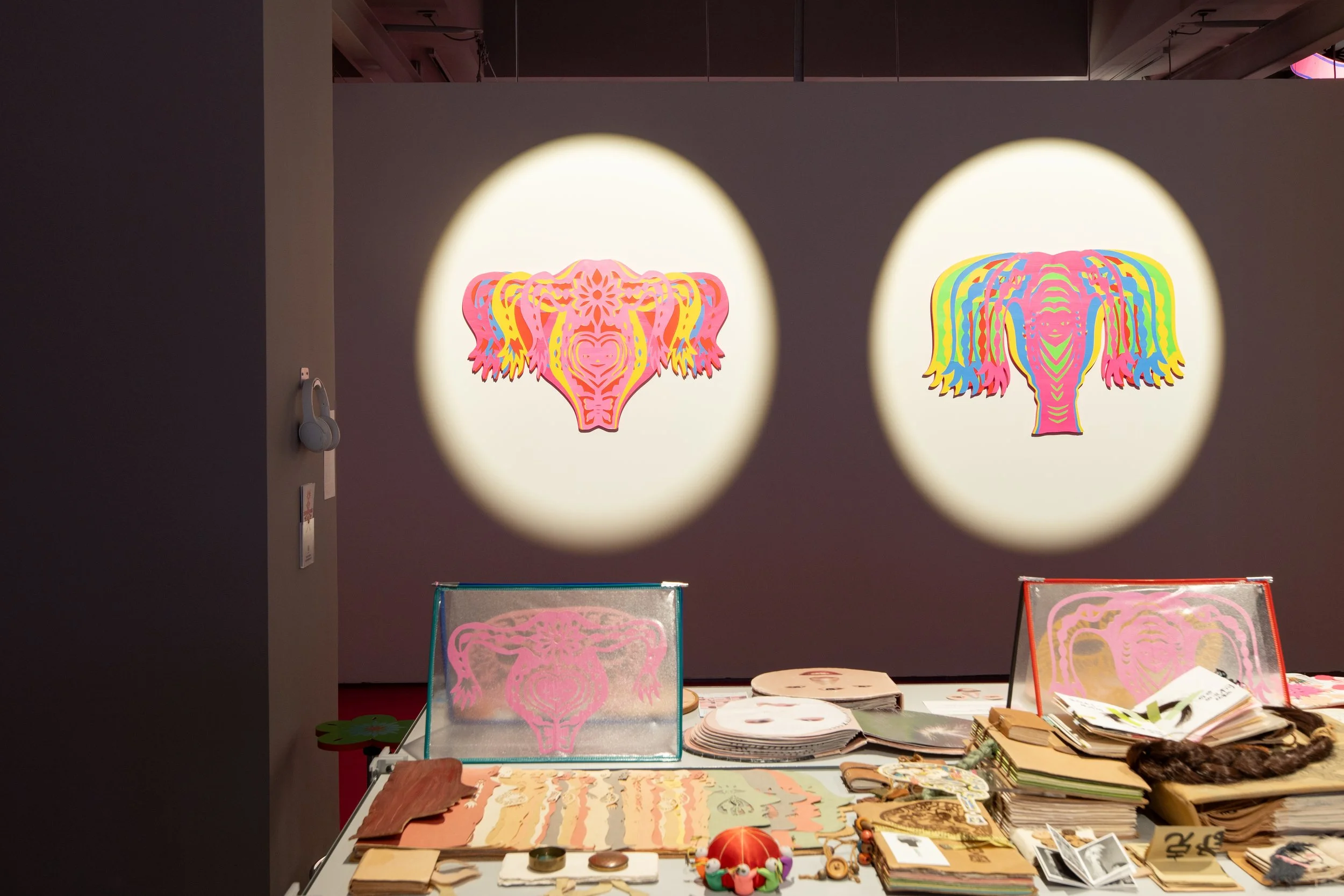
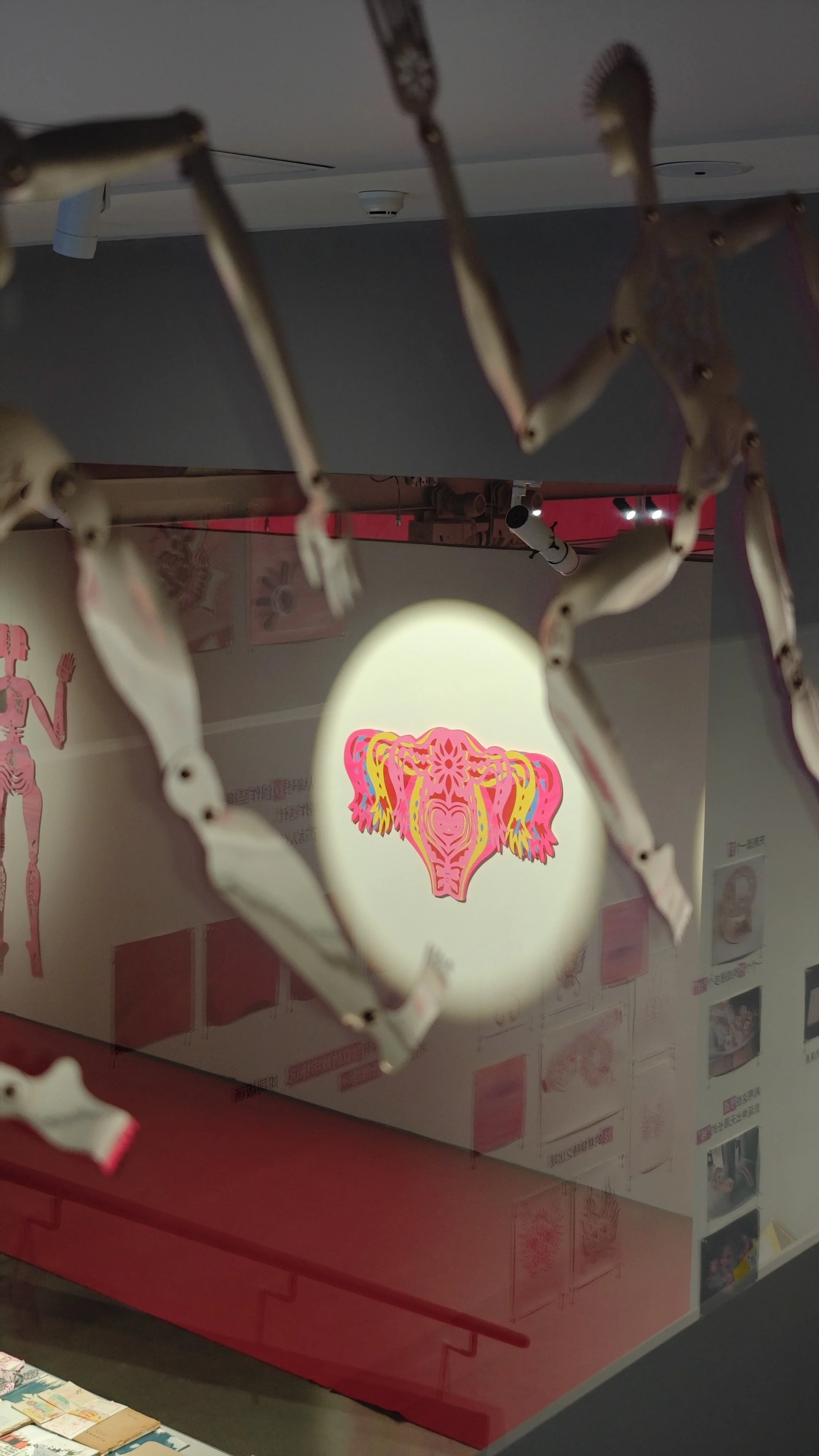
《子宫系列》
架上剪贴
木板、纸张雕刻、亚克力颜料
120 x 84厘米,120 x 77厘米
2025年
Uterus Series
Collage on panel
Wood panel, laser cutting paper, acrylic paint
120 x 84 cm, 120 x 77 cm
2025
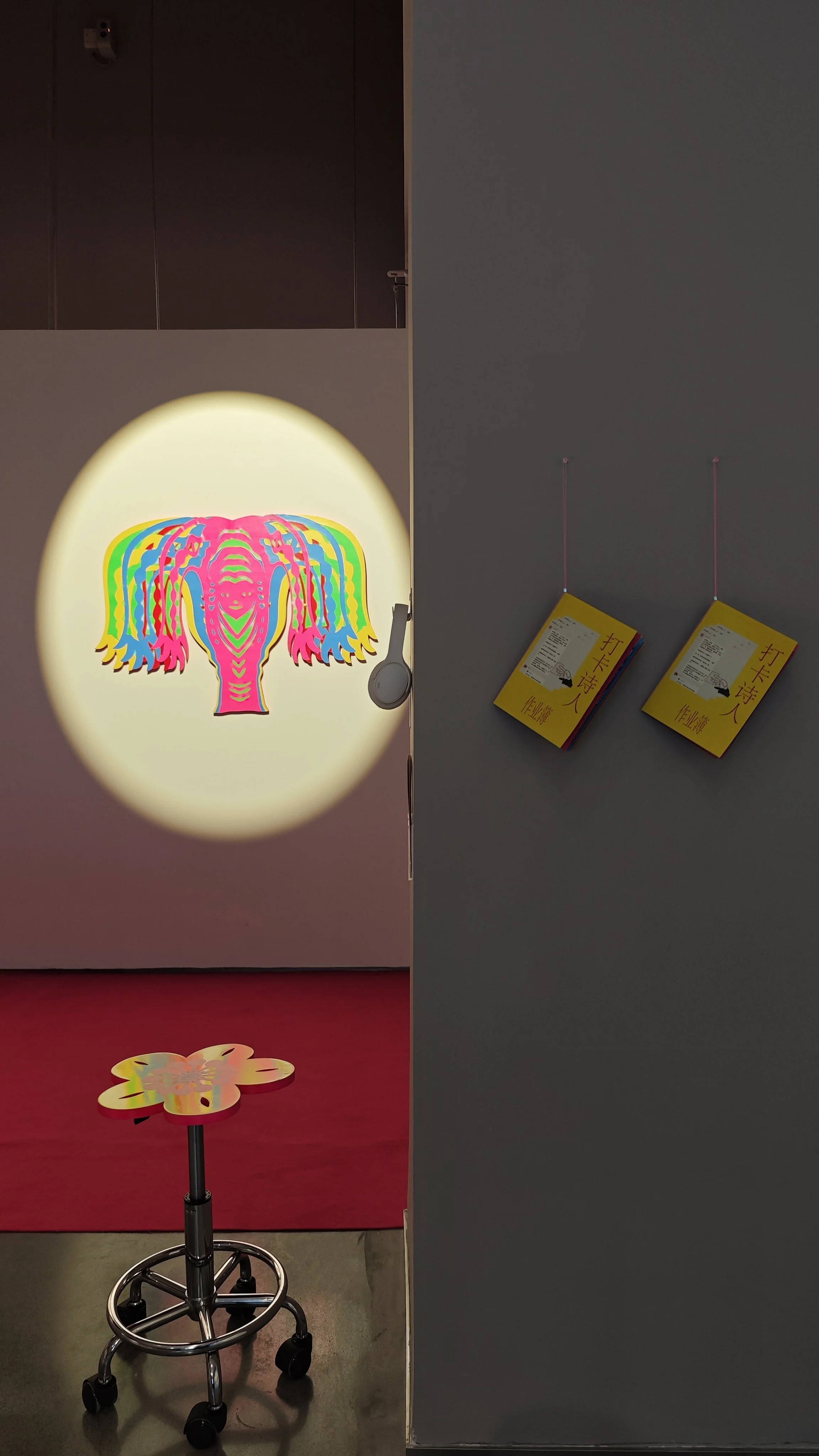
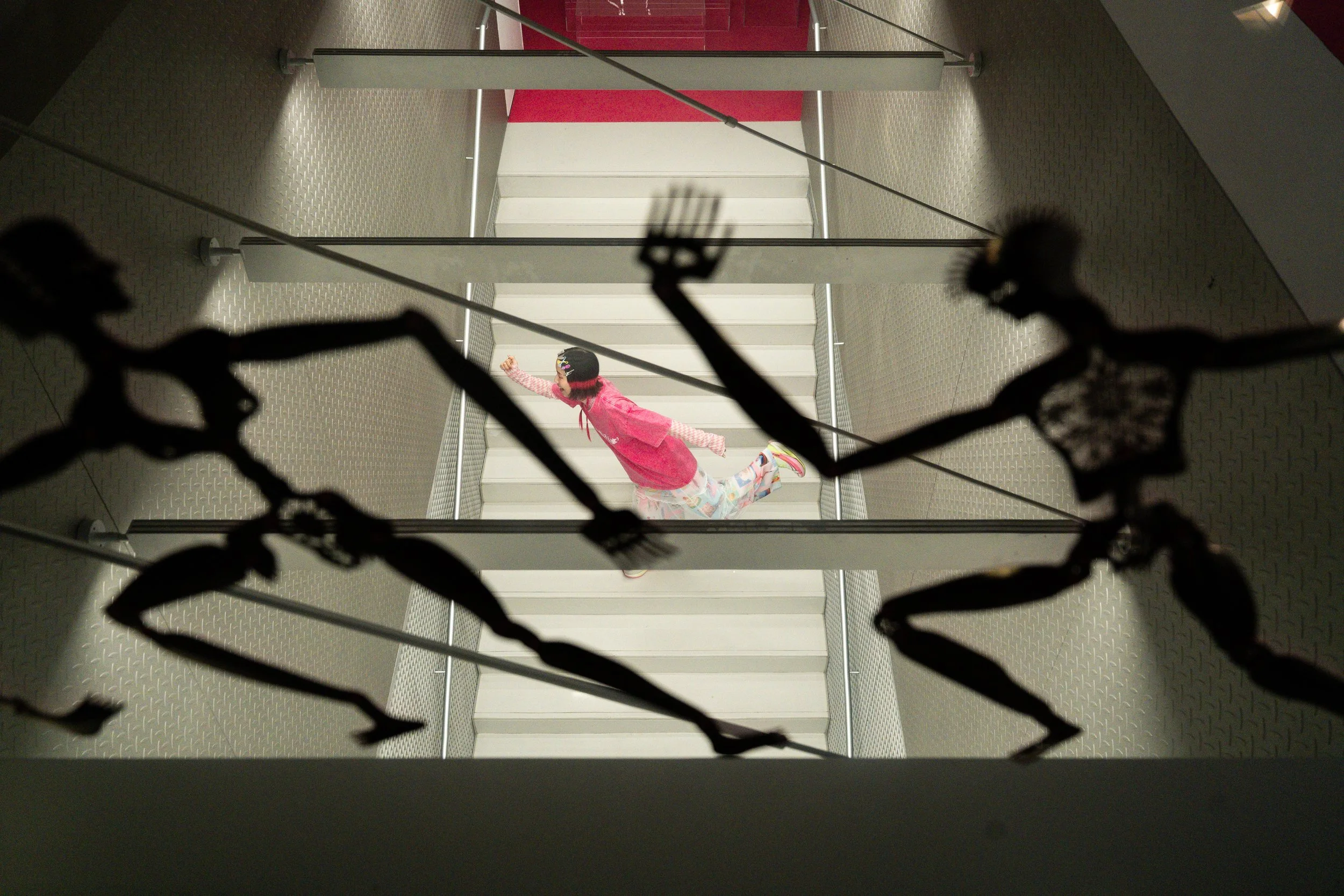
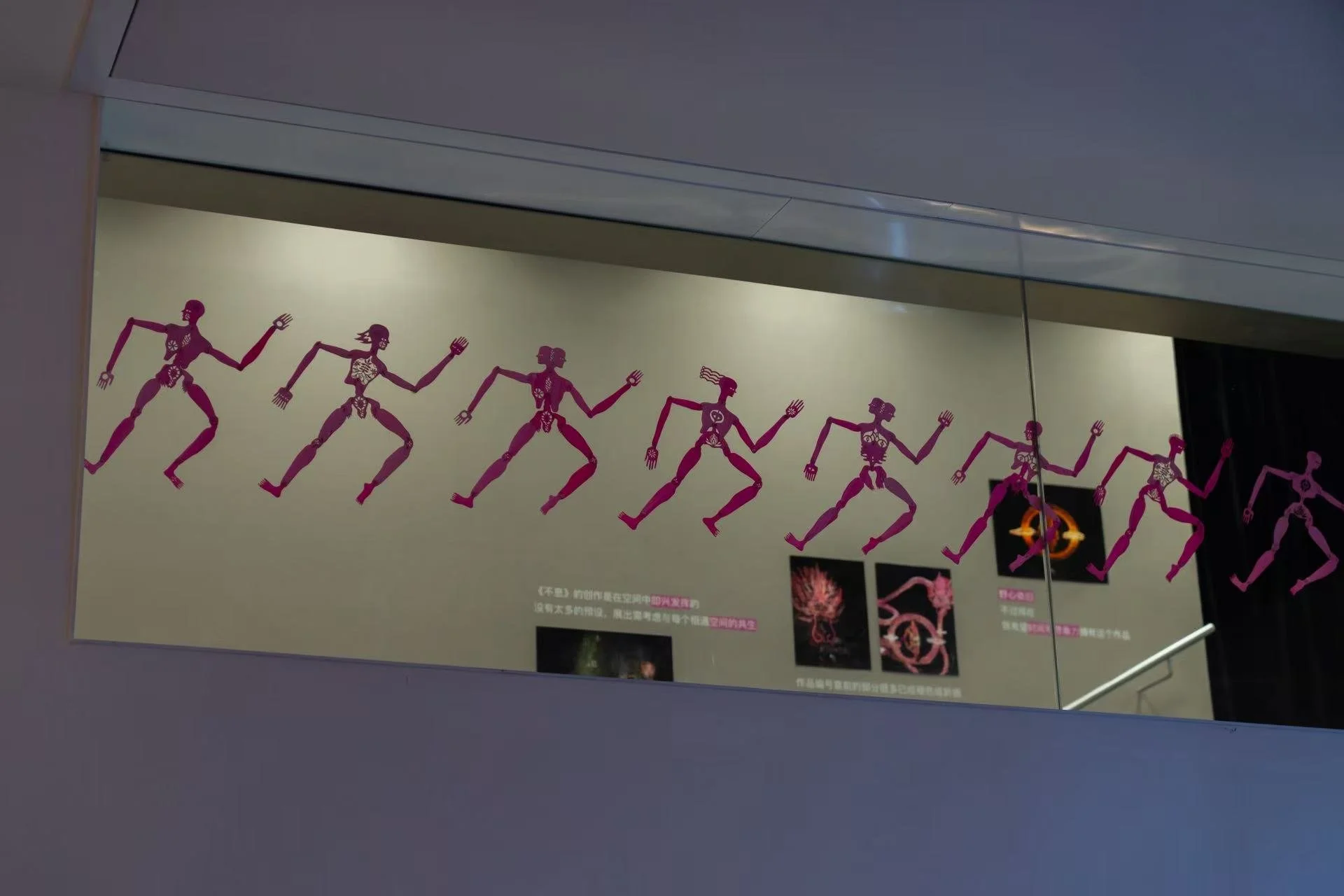
《热爱的魂》
装置
纸张雕刻、亮银卡纸、亚克力颜料、金属
尺寸可变
2019-2026年
Loving Soul
Installation
Laser cutting paper, silver mirrored paper, acrylic paint, metal
Dimensions variable
2019-2026
03 无限的练习
纸,扁平又轻薄,在粉丸的创作里,经由反复的翻折与雕刻,延展出空间、叙事与情绪的无限可能。她以纸张为创作媒介,不断探寻有限与无限的平衡边界:以极易破损、受潮和弯折的纸张追逐永恒,在脆弱材质与坚定信念的对抗之间,袒露创作最天真的野心。
所谓“无限”,是纸张蕴藏的无限可能,是艺术家无限伸展的想象力与创造力,是作品没有终点的生长走势,更是世间万物不止不休的联结牵引与同频共振。
至此,“剪的练习”抵达完整闭环:始于手的动作,经由身心的觉察,最终归于无边无际的精神求索。
03 Limitless Exercises
Paper—flat and delicate—unfolds within Fenwan’s practice into infinite possibilities of space, narrative, and emotion through repeated folding and cutting. Using paper as her primary medium, she continually explores the fragile boundary between finitude and infinity: pursuing permanence through a material easily torn, dampened, or bent, and revealing the most innocent ambition of creation through the tension between vulnerable material and unwavering conviction.
The so-called “infinity” resides in the limitless possibilities contained within paper, in the artist’s endlessly extending imagination and creativity, in the open-ended growth of the work’s structure, and in the ceaseless connections and resonances that bind all things in the world together.
Thus, Cutting Exercises arrives at a complete closed loop: beginning with the movement of the hand, passing through awareness of the body and mind, and ultimately returning to boundless spiritual exploration.
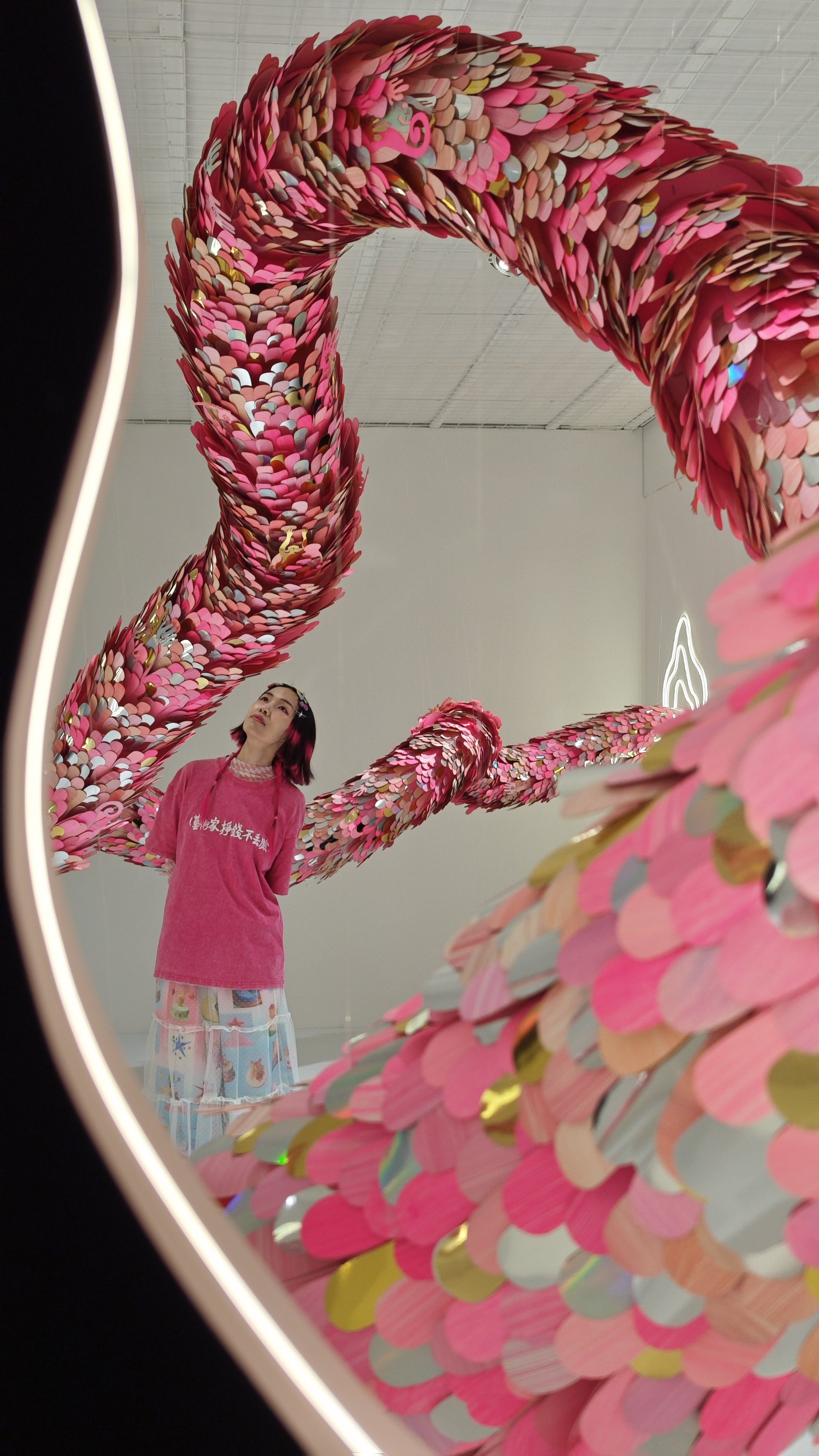
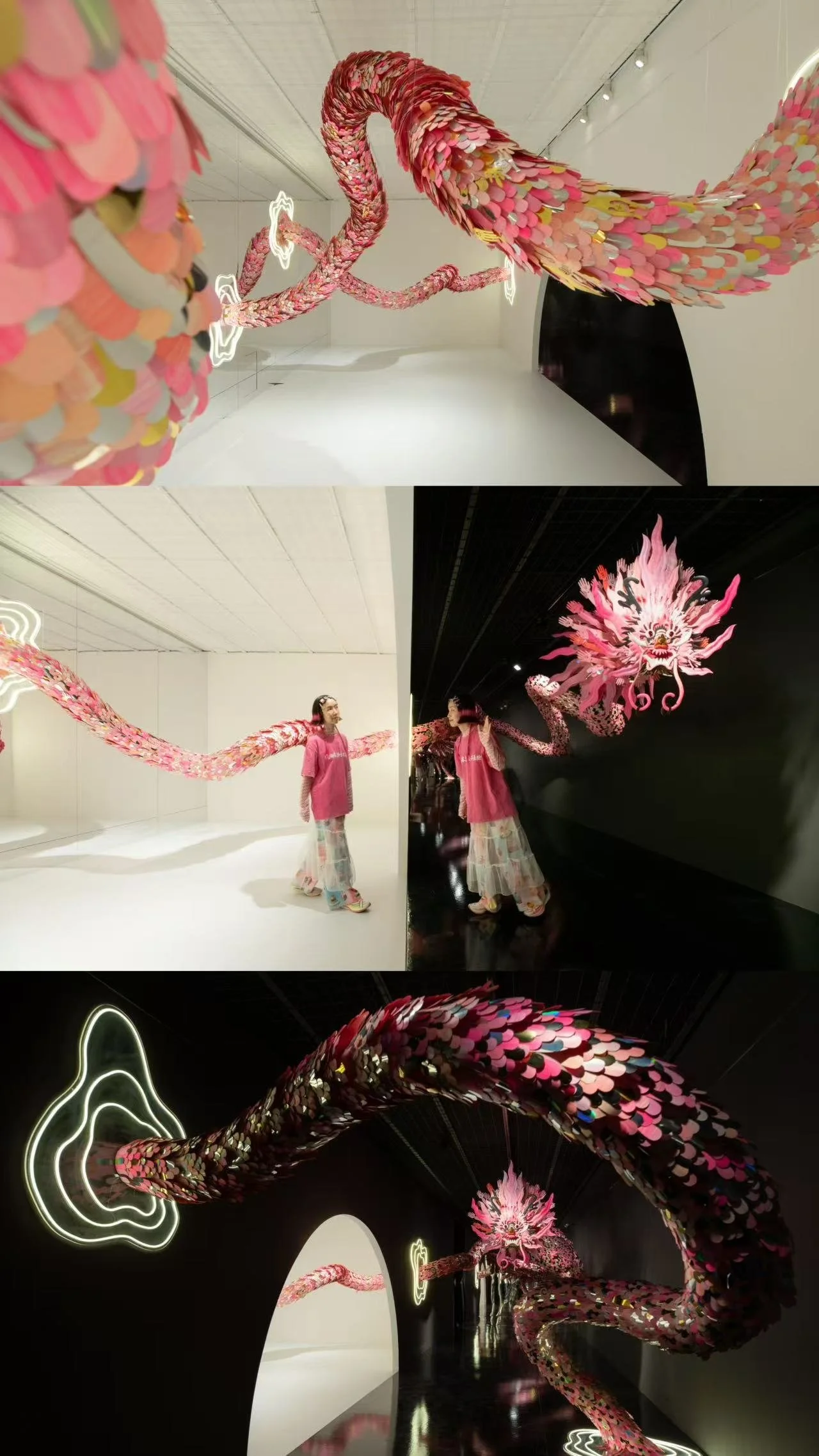
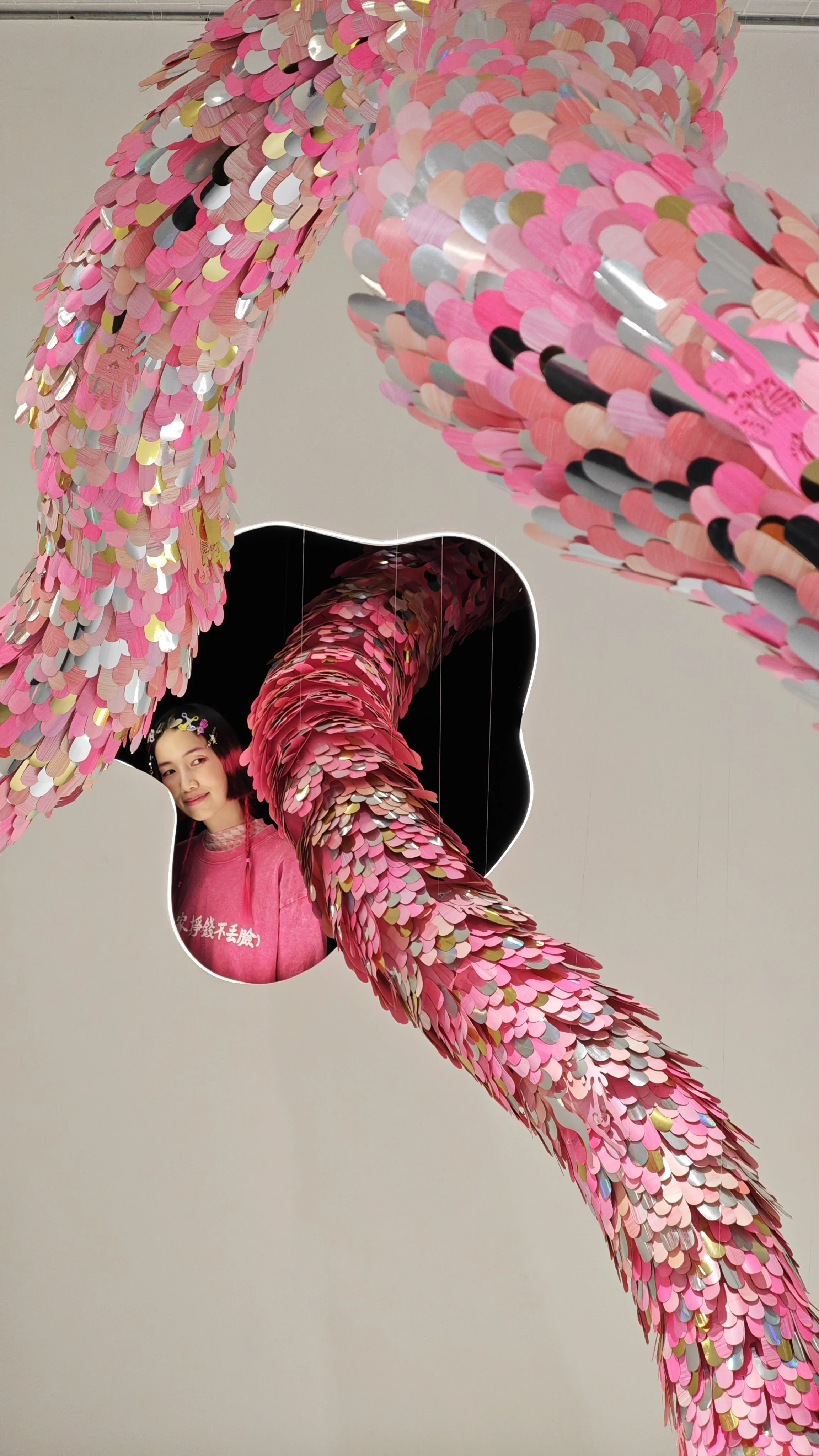
“这次在重庆A4X艺术中心的展出,是首次尝试将作品刻意置于黑白对话的空间之中,也进一步展现了《不息》作为一件拥有’无限’野心的作品,所具备的多元可能性。”
“The presentation at Chongqing A4X Art Center marks the first attempt to deliberately exhibit the work within a space structured by a dialogue of black and white, further revealing the various possibilities embodied in Infinite as a piece driven by an ambition toward ‘infinity’.”
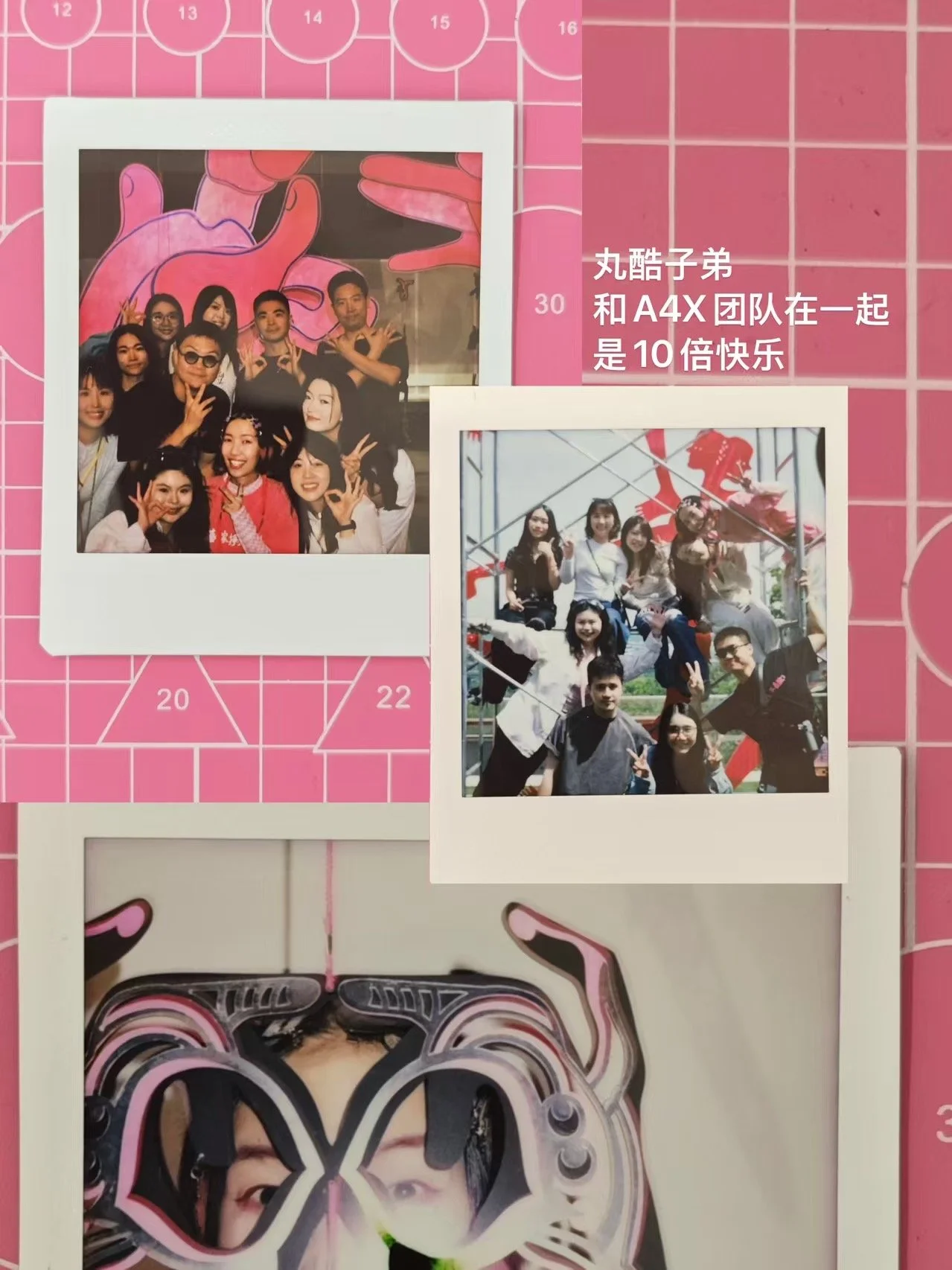
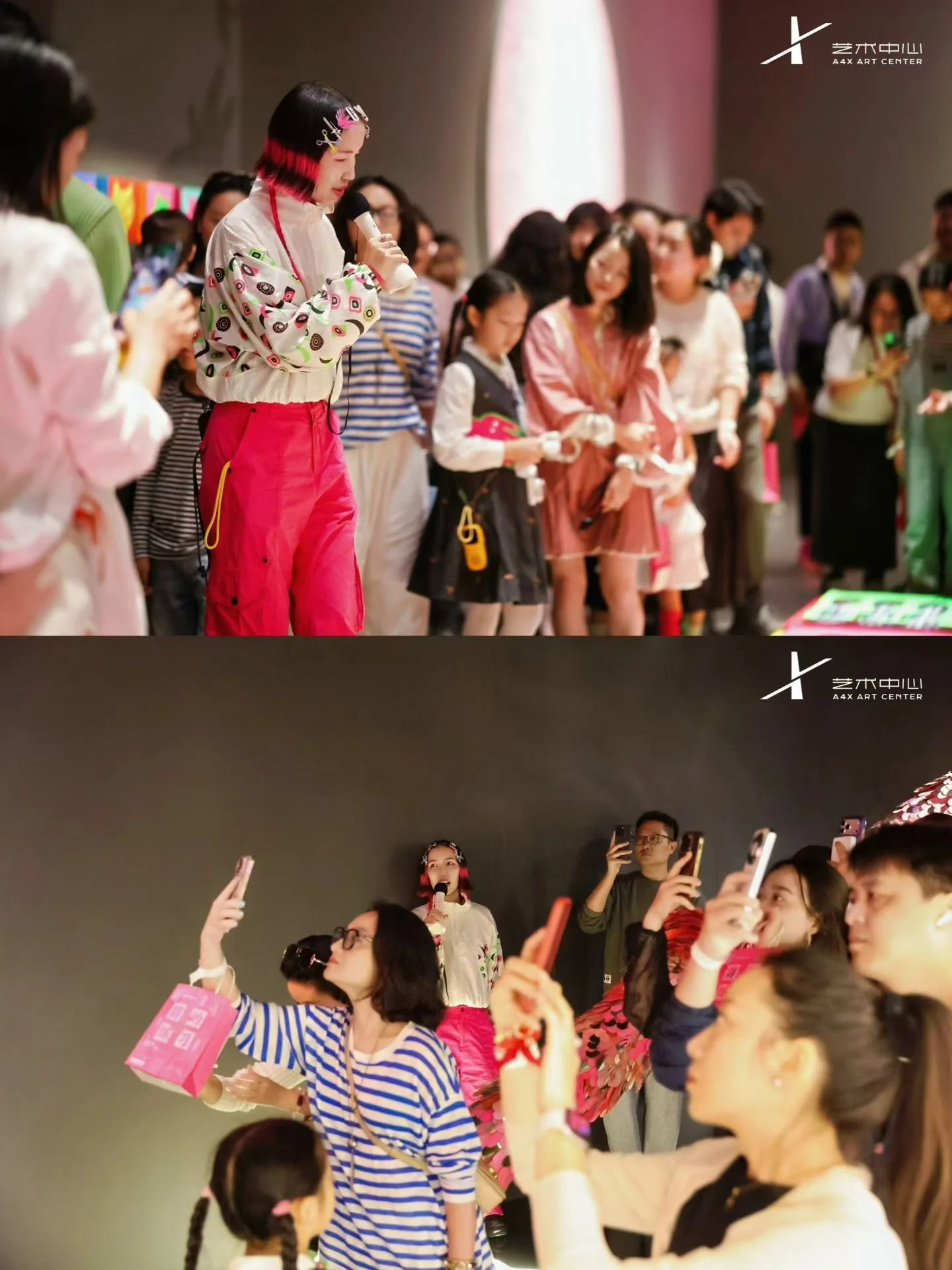
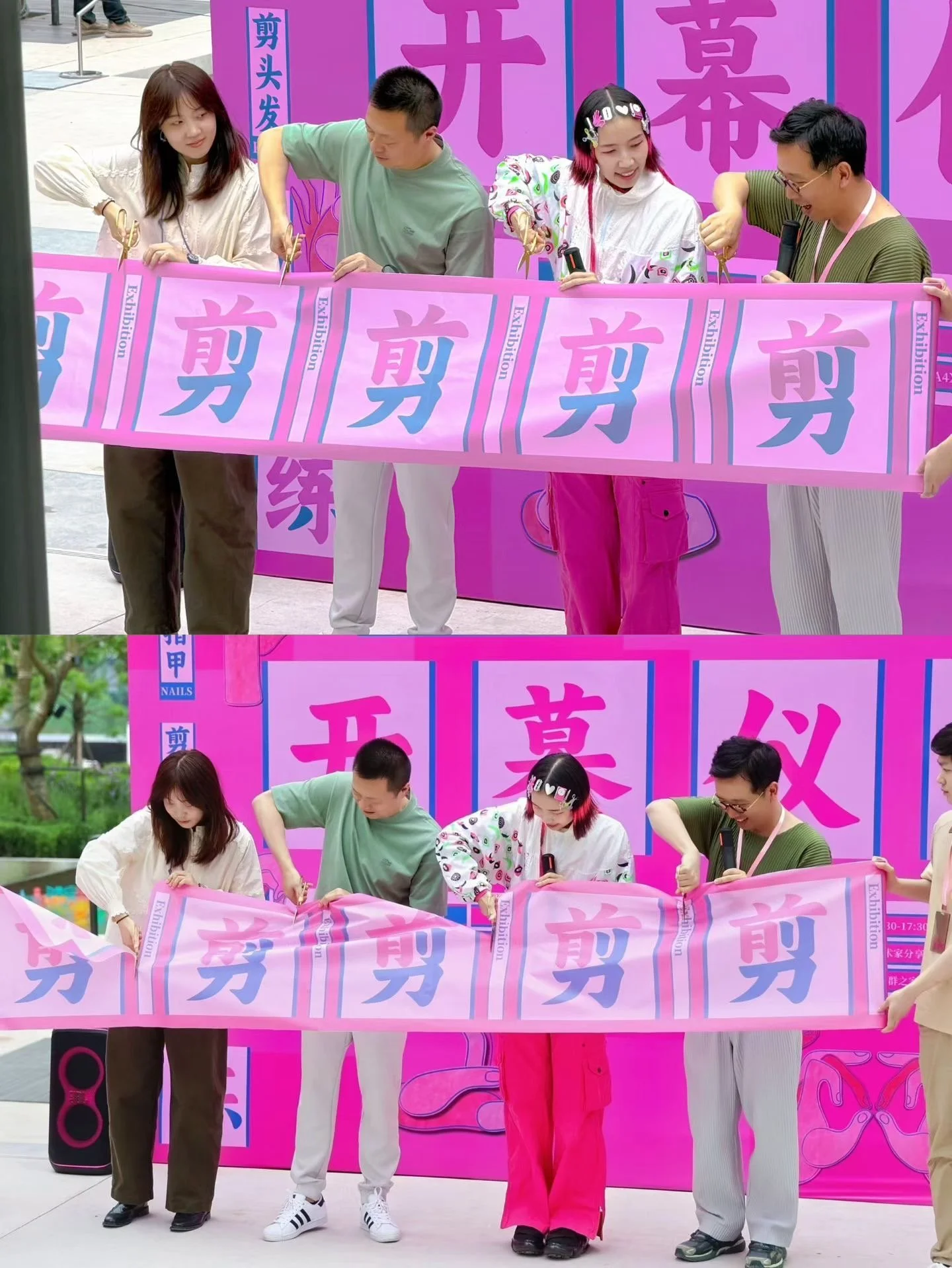
「艺术家陈粉丸个展开幕仪式」
谢谢A4X艺术中心全体工作人员
感谢各位观众的到来与聆听,丸丸敬礼
Chen Fenwan Solo Exhibition Opening Ceremony
Thanks for the support from the staff at A4X Art Center
Thank you all for being here and listening, SALUTE!
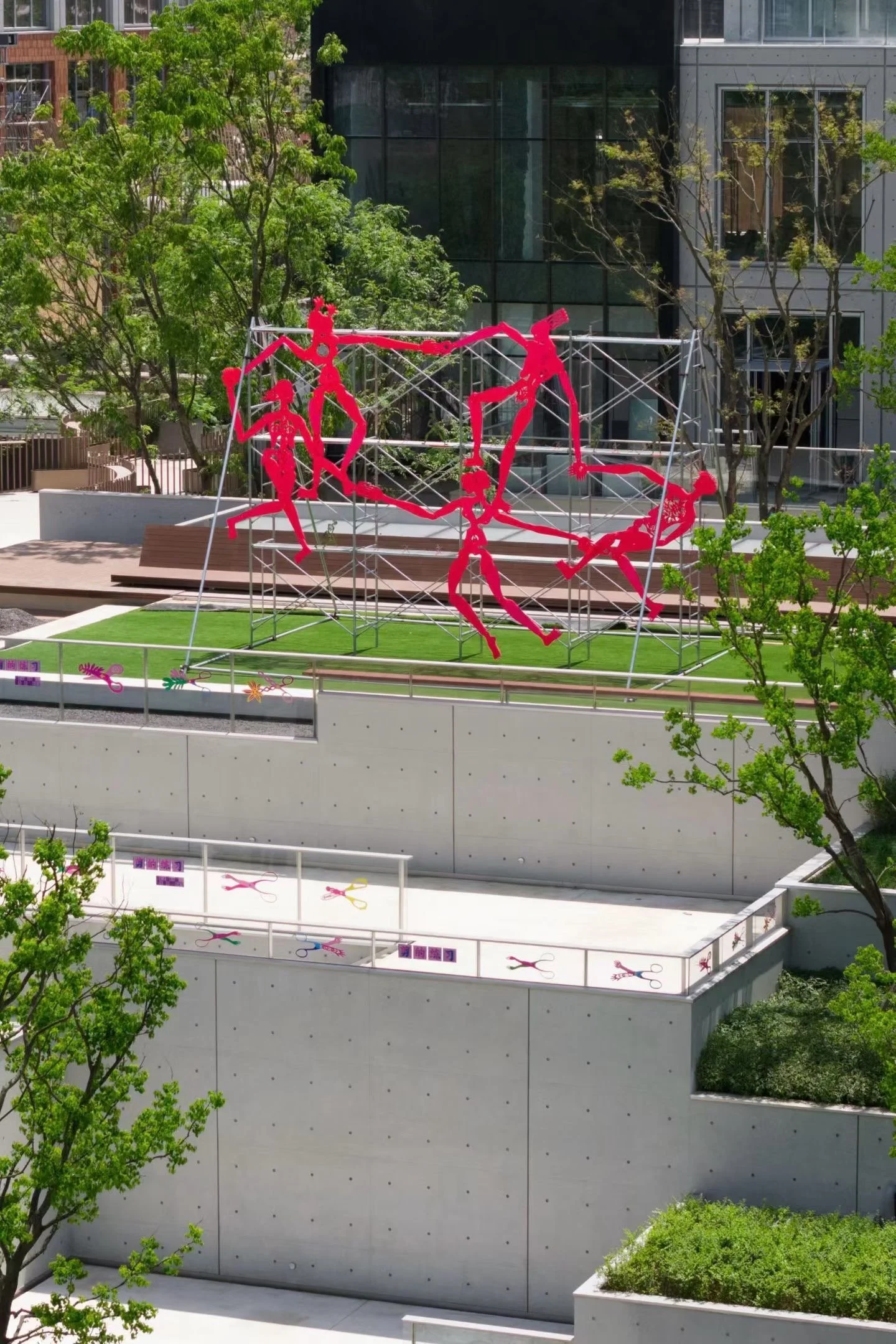
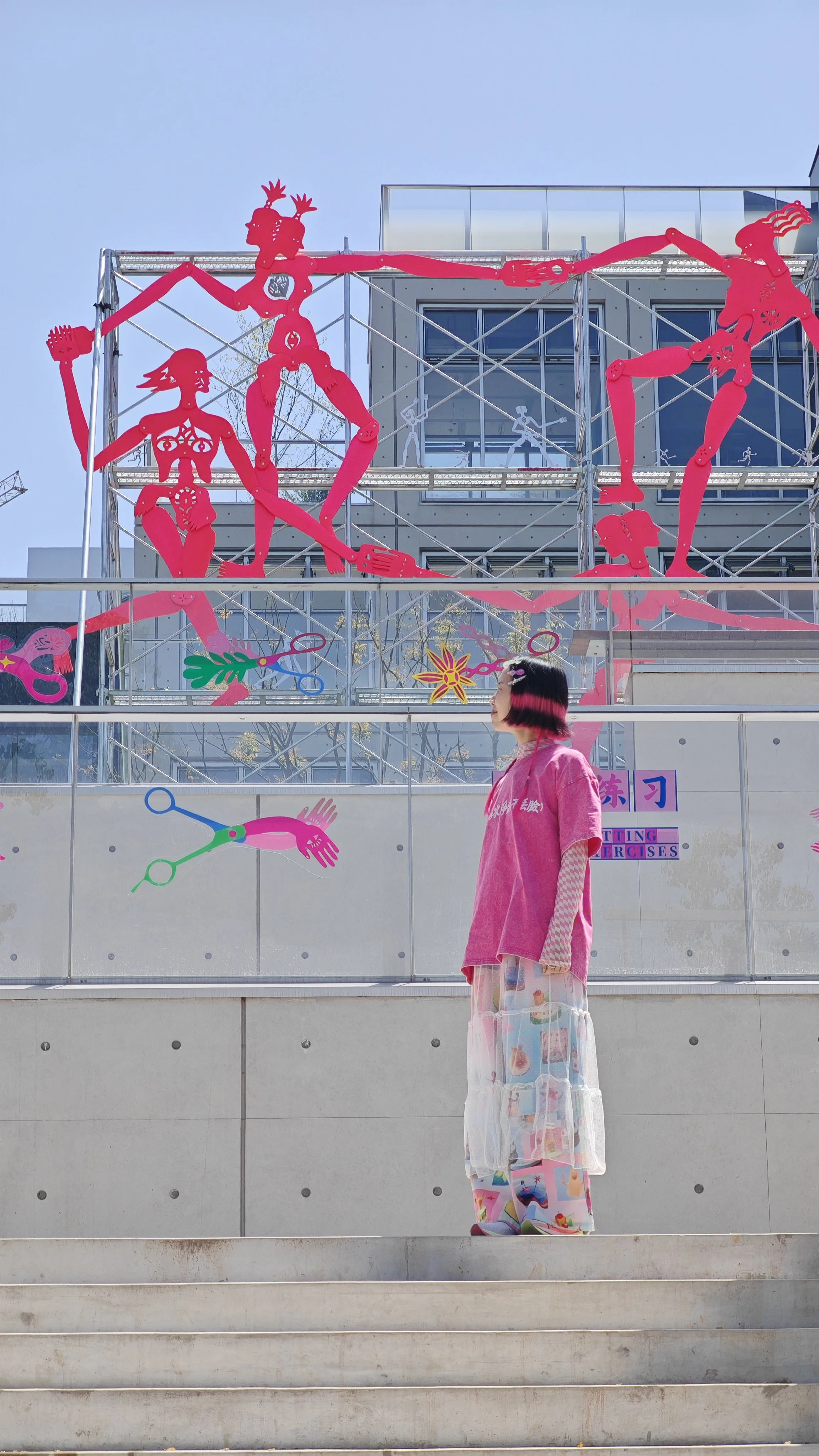
《热爱的人》
装置
金属喷漆,风动结构,不锈钢脚手架
750 x 600 x 95厘米
2023年
Loving Ones
Installation
Spray paint on metal, pneumatic structure, scaffolding
750 x 600 x 95 cm
2023
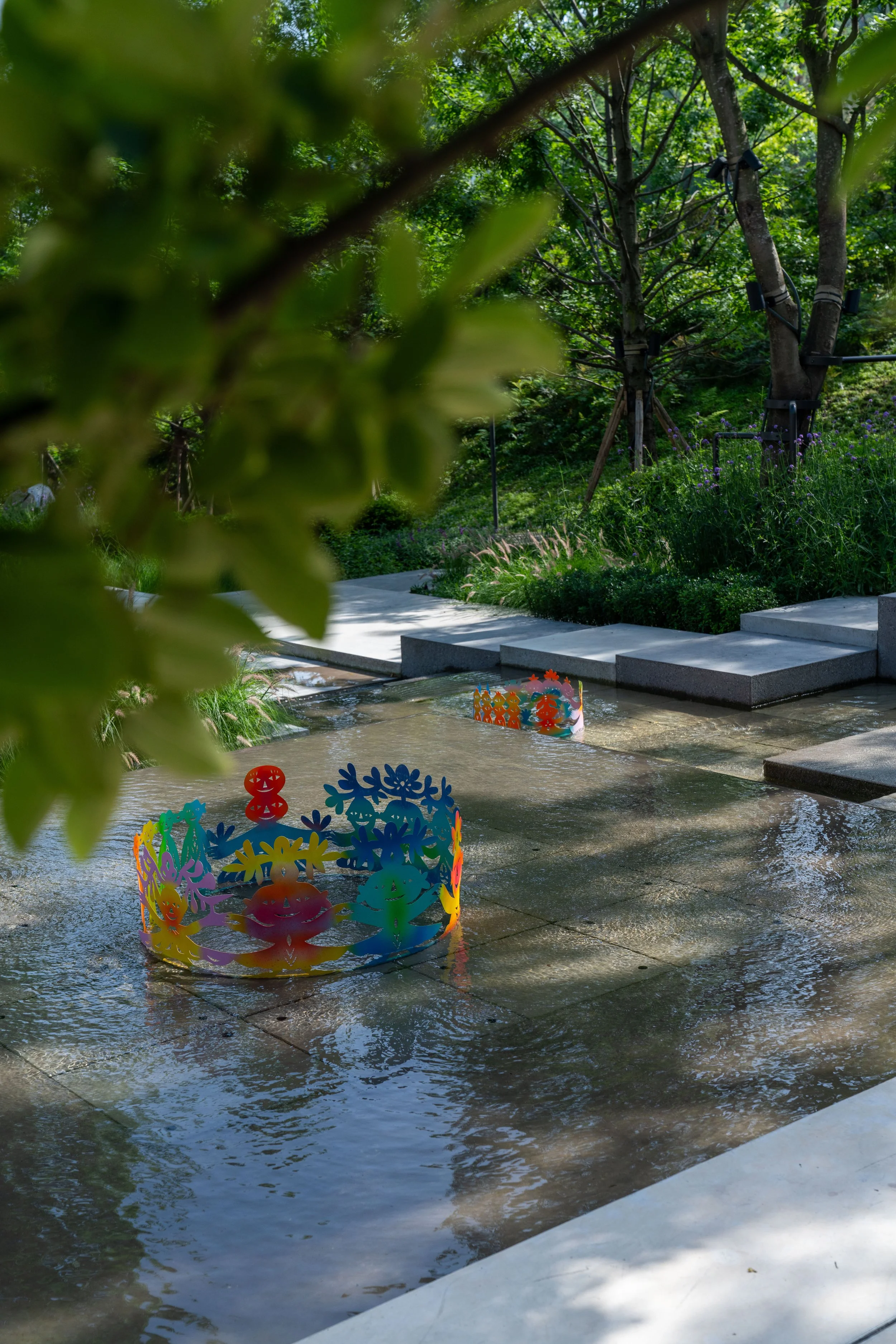
《10倍的快乐》
装置
金属喷漆
尺寸可变
2022年
Tenfold Hapiness
Installation
Spray paint on metal
Dimensions Variable
2022
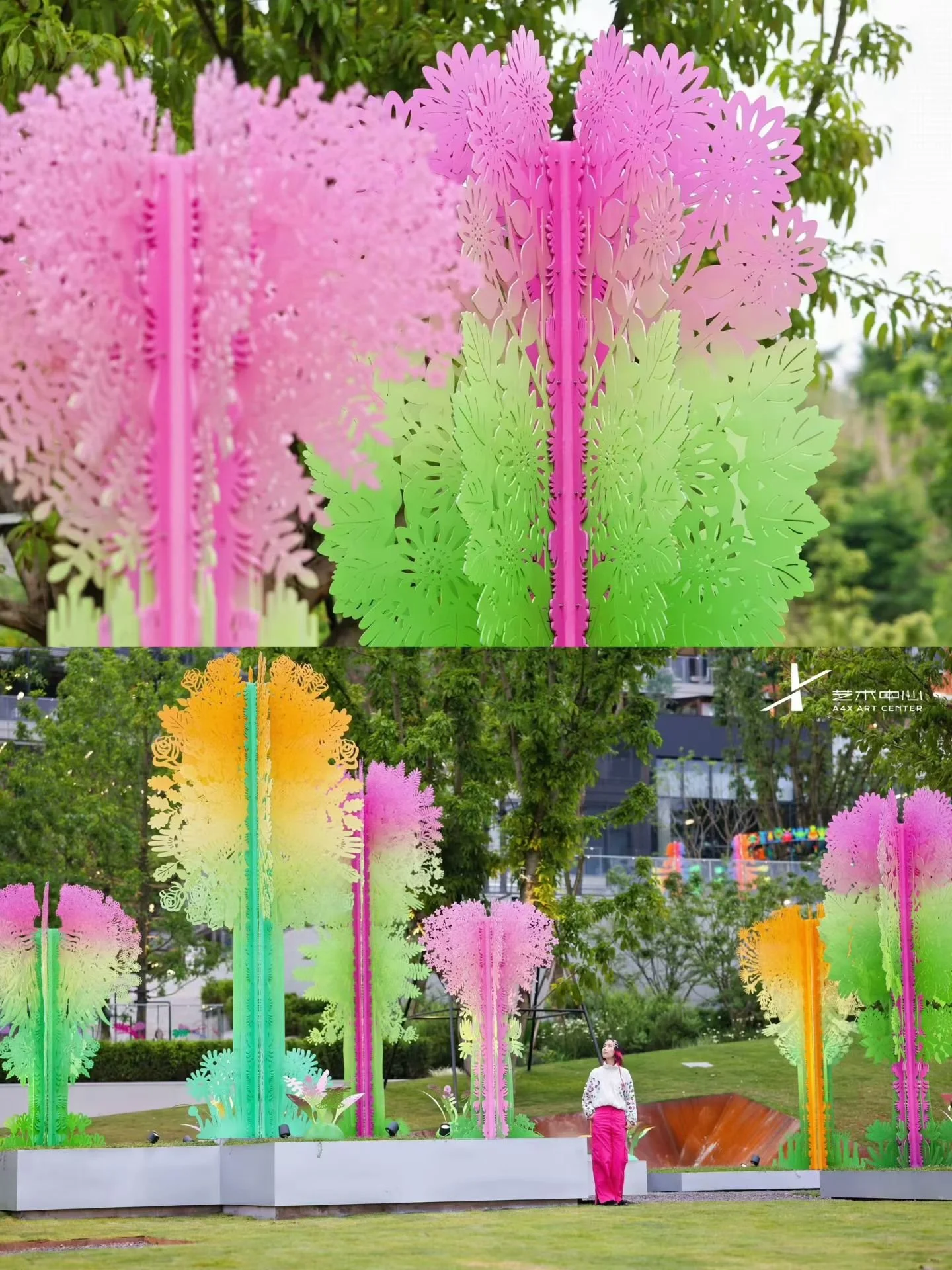
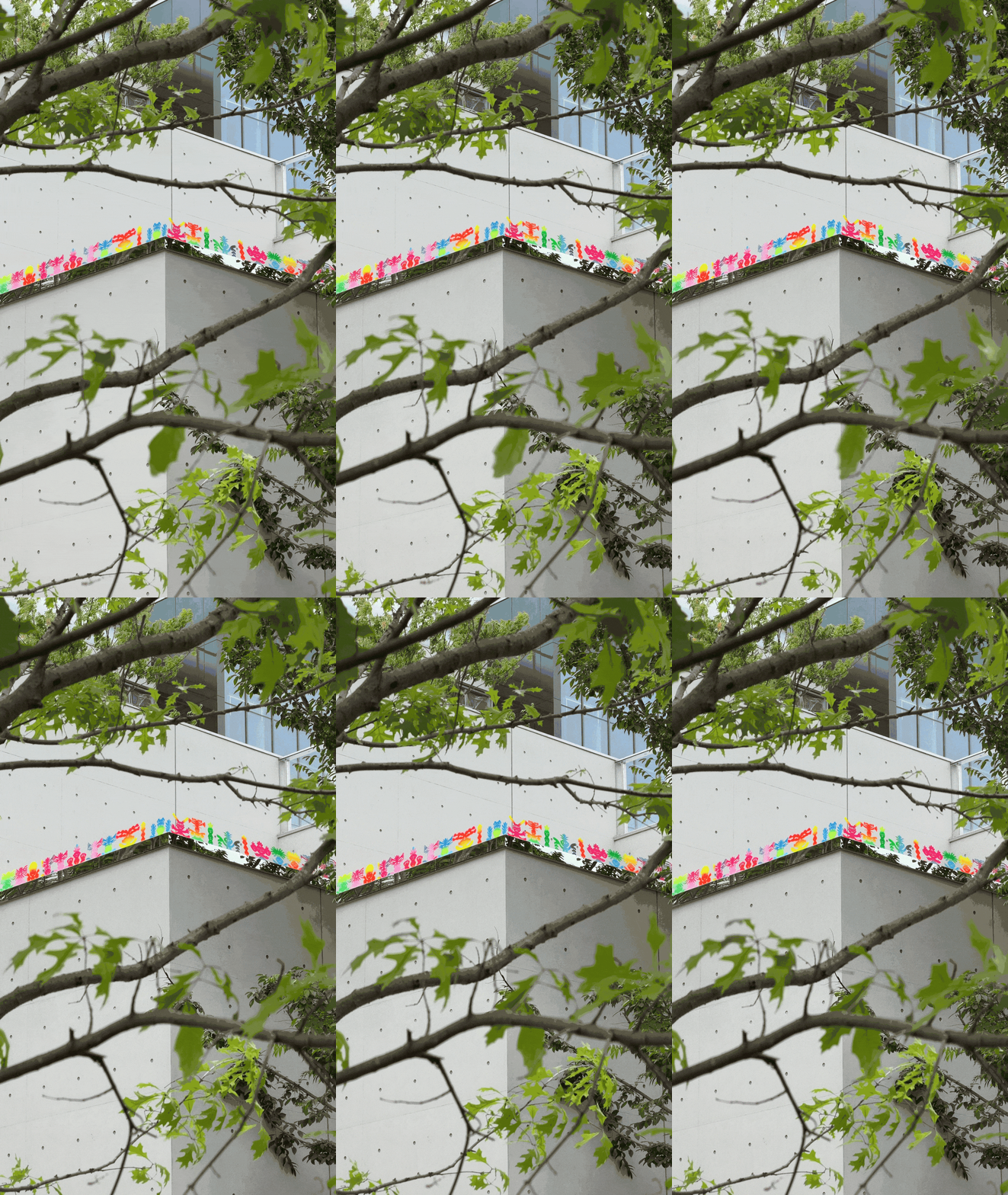
《对称的自然:绿心花园》
装置
金属喷漆
尺寸可变
2022年
A Symmetrical Nature: Green Heart Garden
Installation
Spray paint on metal
Dimensions Variable
2026
* 仲 有 花 絮 *
hidden scenes and bloopers